
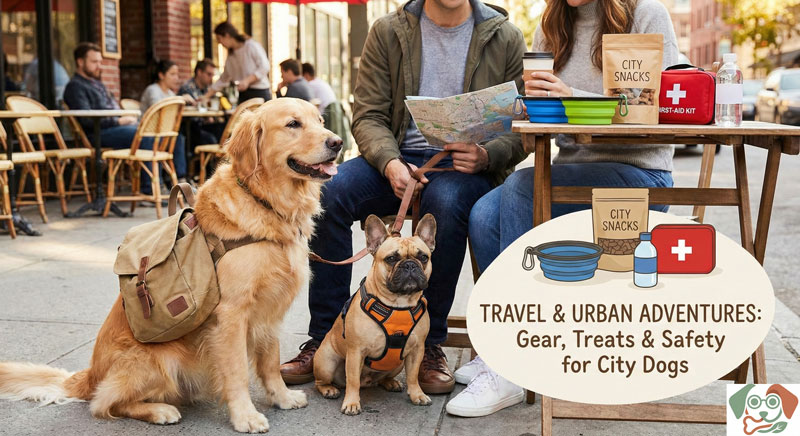
Weekend market walks: Leash plus reward plan for tear stains and loose-leash skills
Meta description: Weekend market walks that blend loose-leash training with tear-stain care using rewards—practical routines for apartment and suburban homes.
Quick Summary
- Learn a simple, humane plan to improve loose-leash walking on weekend market trips.
- Pair gentle eye care and fur around the eyes to Reduce tear stains.
- Use rewards, not pressure, to shape calm behavior in busy market settings.
- Include apartment and suburban routines, crate steps, and vet-friendly care tips.
Why This Matters for Your Dog
A calm, well-rewarded walk makes weekend markets safer and more enjoyable for you and your dog. Loose-leash skills reduce stress for both of you and lower the risk of pulled muscles or injuries. Tear stains can signal eye irritation or allergies, and daily, gentle eye care plus smart grooming can keep your pup comfy and cleaner between grooming sessions. A steady routine—crate time, rewards, short practice bursts, and a gradual approach to busier places—helps dogs adapt to markets, parks, and other busy weekend outings.
Common Causes (Key Factors)
- Tear stains: Often caused by eye irritation, allergies, or watery eyes. Grooming around the eyes and keeping fur trimmed helps, but persistent tearing should be checked by a vet to rule out infections or other issues.
- Loose-leash struggles: Common when dogs are excited, curious, or overwhelmed by sights, sounds, and smells. Training pauses and rewards teach your dog to stay close without pulling.
- Market environment: Crowds, stalls, and scents can be overstimulating. A well-planned routine with practice in similar settings helps your dog stay focused.
- Grooming and health basics: Regular brushing, checking the eyes, ears, and coat, plus balanced nutrition and hydration, support overall well-being during busy weekends.
Step-by-Step What To Do
1) Start at home, then build up
– Create a calm starting routine. Use a harness (no pinch collars) and a well-fitted leash. Keep your dog on your left side if possible.
– Practice a five-minute loose-leash walk in your apartment hallway or a quiet park path. Reward any time your dog is within arm’s reach and not pulling. Use small, tasty treats or favorite toys as rewards.
2) Set up a simple weekend market plan
– Timing: Choose a market with lighter crowds first. Aim for mid-morning or mid-afternoon when it’s less chaotic.
– Prep: Bring water, a collapsible bowl, poop bags, extra treats, a portable waste bag, and a lightweight fan or cooling towel if summers are hot.
– Route: Park near a quiet edge, then move toward the market gradually. Stop at doorways or entryways and practice two-minute leash checks before entering.
3) Leash plus reward plan (loose-leash focus)
– Step A: Teach “Close” or “Heel” with rewards
– Walk slowly and gently touch the leash a couple of times to redirect if the dog surges.
– When the dog stays within about 6-12 inches of your leg, mark with a word like “Yes” or click if you use a clicker, and treat.
– Repeat frequently in home and during short practice walks.
– Step B: Build up distance gradually
– As your dog improves, extend the walk in short intervals, always rewarding calm behavior close to you.
– Step C: Market drill
– On entry, cue a calm sit or a short stop. Reward for stillness and loose leash.
– If the dog starts pulling, stop walking, reset to a neutral position, and resume once the leash softens.
– Step D: Manage exciting stimuli
– Allow sniffing for short periods, then call your dog back to your side. Reward for returning and staying close.
– Step E: Keep sessions short but frequent
– A few 2–5 minute practice periods during a market visit work better than a single long session.
4) Tear-stain care and eye grooming
– Daily wipe: Use a clean, damp cotton round or a dog-safe wipe to gently wipe the fur under the eye and at the inner corner. Repeat once or twice per day, especially after outdoor play.
– Grooming: Brush the face area lightly each day. If the fur around the eyes is very long, consider trimming or visiting a groomer who can safely trim around the eyes.
– Check health: Look for redness, swelling, or discharge. If you notice persistent tearing, contact your vet for advice. It can indicate allergies, irritation, or a blocked tear duct.
– Vet disclaimer: This post offers general tips. Do not diagnose or treat medical problems. If you notice unusual discharge, pain, or changes in vision, consult your veterinarian.
5) Apartment vs. suburban routines
– Apartment routine
– Morning: 5-minute hallway practice, then a short leash walk around the block.
– Afternoon/evening: A longer walk to a nearby park or market route with a few practice stops, rewards, and sniff time.
– Crate time: Use a cozy resolve: crate the dog when you’re not home to reduce stress. Include a safe chew toy.
– Suburban routine
– Morning: A longer walk in your neighborhood, focusing on loose-leash practice.
– Weekend markets: Practice two to three 2–3 minute segments near low-traffic stalls, then gradually approach busier areas as your dog remains calm.
– Yard breaks: If you have a yard, use it for quick training bursts and reward-based play.
6) Safety basics you can rely on
– Always supervise your dog near crowds. Stand facing away from the busiest stalls if needed to reduce pressure.
– Use a comfortable harness; avoid choke chains or prong devices.
– Hydration matters: offer water often on warm days and limit hot sun exposure.
7) Post-walk routine
– Cool-down: A short slow walk or quiet time after a market visit.
– Eye care: If tear staining is noticeable, do a gentle wipe and check fur around the eyes before bedtime.
– Crate or resting area: Provide a calm space with a cozy bed to help your dog decompress after the outing.
Mistakes to Avoid
- Yelling or harsh corrections. Reward-based methods are most effective and humane.
- Yanking or jerking the leash when your dog pulls.
- Skipping short practice sessions in busy environments and trying a long session instead.
- Ignoring eye care; tear stains can worsen if moisture and fur aren’t managed.
- Forcing exposure to markets too quickly. Build tolerance gradually.
When to Call a Vet or Certified Professional
- If tear staining is accompanied by redness, swelling, pain, or discharge that changes color or consistency.
- If your dog shows signs of eye irritation, rubbing the eyes excessively, or vision changes.
- If pulling or leash anxiety worsens or your dog begins behavior like freezing or panic during walks.
- If you notice skin irritation around the eyes or changes in appetite, energy, or coat quality.
Note: If you’re considering a trainer or behaviorist, look for those who emphasize humane, reward-based methods. A professional can tailor a plan to your home type (apartment or suburban) and your dog’s unique needs.
FAQs
-
How long should I practice loose-leash walking before a market trip?
Start with short sessions (5–10 minutes) a few times a week. Increase gradually as your dog remains calm. A few minutes of focused practice before each market visit helps more than a long session once in a while. -
What rewards work Best for a dog learning loose leash?
Small soft treats you dog loves, praise, and occasional toy rewards are effective. Use treats that are easy to carry and quick to eat to keep momentum. -
How can I manage tear stains without over-wiping?
Gentle daily eye grooming is best. Use clean, damp wipes or a damp cloth. If tearing persists or worsens, talk with your vet to rule out allergies or infections. -
Are certain breeds more prone to tear staining?
Some breeds with facial folds or prominent eyes can have more tear staining. Regular grooming and eye care help manage it. Persistent stains should be evaluated by a vet. -
What should I do if my dog is overwhelmed at the market?
Step back to a quieter spot, reduce the pace, practice a few steps of “watch me” or “look here” with rewards, then slowly reintroduce stimuli. If overwhelmed, end the outing and try again another day. -
Can crate training help with weekend market visits?
Crate training can create a safe, predictable space for your dog before and after market outings. It supports calmer transitions and reduces stress during the busy weekend in general.
If you’re starting out, take it one weekend at a time. Small steps—consistent rewards, gentle grooming, and gradual exposure—build a confident, well-behaved dog who enjoys the weekend market as much as you do.