
Weekend market walks: Leash plus reward plan for low energy and loose-leash skills
Meta description: Weekend market walks for low-energy dogs using a leash-plus-reward plan to build loose-leash skills. Practical steps for apartment and suburban homes.
Quick Summary
- Goal: calmer weekend market walks with a dog who may be Low Energy, using a leash plus rewards to build loose-leash skills.
- How: short, steady practice during errands, with clear cues and high-value rewards.
- Who this helps: everyday American dog parents in apartments and suburbs, beginners and seasoned owners alike.
- Outcome: safer, more enjoyable strolls, stronger bond, fewer tugging moments.
Why This Matters for Your Dog
Markets are exciting: new smells, crowds, and many moves in all directions. For a dog with low energy, big stimuli can still spark bursts of curiosity or tension. A leash plus reward plan gives your dog a consistent framework: stay close, check in with you, and earn rewards for calm, loose-leash walking. This approach supports humane, reward-based training and helps your dog feel secure while you enjoy weekend errands together.
Common Factors (Key Factors) That Affect Loose Leash
- Energy and arousal: some dogs stay calm, others get excited quickly. Match your plan to your dog’s baseline.
- Distractions: smells, people, and vendors. Prepare by reinforcing a “watch me” cue before you approach hotspots.
- Equipment: a comfortable 4–6 foot leash and a well-fitting harness or collar. Front-clip harnesses can reduce pulling.
- Training history: short, consistent practice beats long, sporadic sessions.
- Environment: apartment hallways vs. wide suburban sidewalks; crowd density at markets changes how you pace.
- Sniffing time: schedule brief sniff breaks to prevent bottling up excitement.
- Crate and rest: a well-timed rest or quiet crate time after a big outing helps recovery, especially for low-energy dogs.
Step-by-Step What To Do
1) Do a quick prep before you go
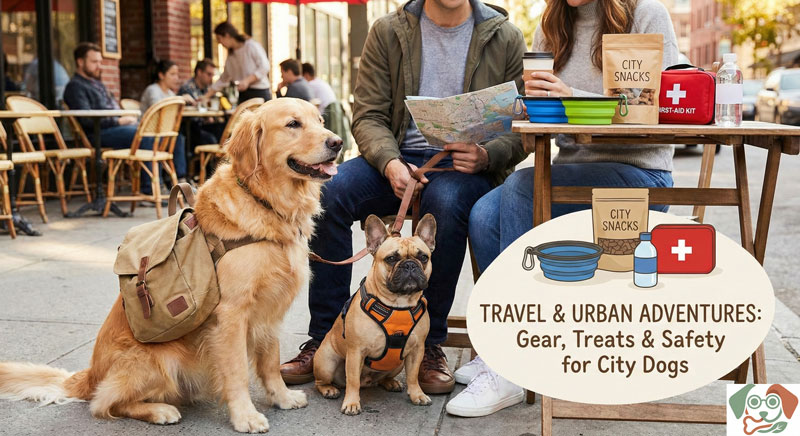
– Gather gear: 4–6 foot leash, comfortable harness or collar, a couple of high-value treats, a favorite toy or a long-lasting chew, poop bags, water bottle, and a collapsible bowl.
– Choose the vibe: a low-stress market with gentler crowds is ideal for practice days. If your market is crowded, plan fewer steps and slower pacing.
– For apartment dwellers: practice a few short hallway sessions and elevator rides to mimic market entry. For suburban homes, plan your route to the market and include a safe transition from car to sidewalk.
2) Set a simple, clear goal
– Example goal: your dog walks at your side with a slack leash for 80% of the walk and checks in at least once every 20–30 seconds.
– Use a cue for attention: a simple “watch me” or “focus” cue helps your dog re-center on you.
3) Start with a calm, short session at home
– Do a 3–5 minute warm-up: stand still, mark calm behavior with a word like “yes” and a treat, then slowly move a few steps. Reward when the leash is slack.
– If you live in an apartment, begin in a quiet area (hallway or living room) to practice the cue and reward timing.
4) Approach the market with a plan
– Walk to the market with controlled pace. Keep a consistent rate; avoid sprinting or sudden changes in direction.
– Maintain a loose leash: treat any moment your dog walks beside you with a small reward.
– Use short, calm moments of praise: “Nice and close,” “Good job,” then reward.
5) Use rewards to reinforce loose-leash walking
– Reward cadence: every few strides, or every time your dog glances toward you and holds a slack leash.
– Treat location: keep treats at your hip to encourage your dog to walk close.
– Sniff breaks: allow short sniff breaks every few minutes—give a quick treat break after the sniff to reset focus.
6) Manage market crowds and distractions
– If crowds rise, slow your pace, and invite your dog to walk nearer to your side with a favorite treat.
– If your dog starts pulling toward a stall, switch to a different path or take a short detour and reward calm movement when the leash is slack.
– Teach a brief “watch me” check-in before approaching a particularly exciting area.
7) End on a calm note
– Finish with a short cooldown: a couple of steps, then a sit or down in a calm spot, followed by a small treat.
– Put away rewards gradually so your dog doesn’t expect treats every time—consistency helps long-term success.
8) Post-walk routine
– Offer water and a brief rest, then a short crate rest or quiet time at home.
– Briefly recap what went well and celebrate progress with your dog. This builds a positive association with market walks.
9) Practice across settings
– Apply this plan on different weekends, at nearby farmers markets, or in busy shopping districts to generalize the skill.
– Alternate environments: apartment courtyard, neighborhood sidewalks, and suburban parks after the market to keep training fresh.
Mistakes to Avoid
- Pulling or reacting with shouting when your dog tugs. Stay calm and reward only when the leash is slack.
- Over-relying on treats at every sniff; aim for a balance between rewards and natural praise.
- Punishing or scolding after a pull. Positive reinforcement yields better, longer-lasting results.
- Expecting perfection on the first weekend. Build small successes and gradually increase difficulty.
- Skipping sniff breaks entirely. Sniffing is healthy for dogs; micro-breaks help prevent over-arousal.
- Using harsh or aversive equipment. Favor humane, reward-based methods and comfortable gear.
When to Call a Vet or Certified Professional
- If your dog shows persistent pain, limping, or obvious discomfort during or after walks.
- If you notice sudden changes in energy, appetite, or behavior, or if your dog shows extreme fear or aggression that does not improve with gentle training.
- If you’re unsure about a health issue or how to progress safely with training, a certified veterinary behaviorist or professional trainer can provide guidance tailored to your dog.
- Vet disclaimer: this post provides general tips and does not diagnose medical conditions or prescribe medical treatment. Always consult your veterinarian for health concerns.
FAQs
- How long should weekend market walks last?
-
Start with 15–20 minutes and adjust based on your dog’s energy and welfare. If your dog is calm and the leash remains slack, you can extend gradually to 25–30 minutes.
-
What if my dog pulls at markets?
-
Slow your pace, pause when tension begins, then reward for slack leash as you move again. Consider shorter, more frequent practice breaks in crowded areas.
-
My dog is low energy. Will this still help?
-
Yes. Low-energy dogs can benefit from a clear structure, predictable cues, and short bursts of focus-work. Rewarding calm behavior helps reinforce the desired state.
-
What if my dog barks at crowds?
-
Maintain distance from the trigger, use a “watch me” cue, and reward calm attention. If barking escalates, detour to a quieter path and gradually reintroduce the market.
-
Do I need to crate train for weekend market walks?
-
Crate training can support calm behavior at home and travel readiness, but it’s not mandatory for market walking. Use crates for rest and recovery as part of a broader routine.
-
How do I choose the right leash and harness?
-
A 4–6 foot leash is ideal for control without too much slack. A well-fitting harness or collar is essential; front-clip harnesses can reduce pulling for some dogs. Ensure the fit allows comfortable movement and breathing.
-
How can I keep this plan beginner-friendly for an apartment?
-
Start with short, quiet practice sessions indoors, then gradually add hallway or stairwell practice. When you go to the market, keep the initial walks short and gradually extend as your dog gains confidence.
-
Can I adapt this plan for a high-energy dog?
-
Yes, but you may need more frequent practice, longer sniff breaks, and bigger rewards for calm behavior. Start with shorter, more frequent outings and gradually increase exposure as your dog stays relaxed.
-
How do I measure progress?
-
Track leash slack, the frequency of cues, and your dog’s ability to walk beside you through blocks of market stalls. Celebrate small wins and gradually raise the bar.
-
What if I can’t find high-value treats at the market?
-
Bring a small stash from home and reuse occasional praise as part of your reward plan. If needed, rotate rewards between treats and a fast, interactive toy.
-
Are there safety tips specific to markets?
- Visit during quieter hours to start, keep a short leash when crowds are dense, maintain good I.D. tags, and be mindful of vendors and other dogs. Always have poop bags and water for your dog.
If you’re a U.S. dog parent juggling apartment living or suburban routines, this weekend market-leash plus reward plan offers a practical, humane path to better loose-leash walking. You’ll build your dog’s focus, reduce pulling, and enjoy more relaxed market strolls. Remember, progress may be gradual, and that’s perfectly okay. You’re teaching your dog a life skill that pays off in safer, happier days together.