
Weekend market walks: Leash plus reward plan for itchy ears and loose-leash skills
Meta Description
Weekend market walks: a leash-plus reward plan to ease itchy ears and teach loose-leash skills for apartment and suburban dogs.
Quick Summary
- Use a gentle, reward-based plan to teach loose-leash walking on busy weekend market routes.
- Check your dog’s ears before and after walks; itchy ears can signal allergies or infections—see a vet if symptoms persist.
- Build a simple routine: practice at home, then apply the plan on market days with clear cues and rewards.
- Choose gear that fits your space: apartment living or suburban yards; Crate Training supports calm transitions.
- Know when to seek professional help and how to safely enjoy dog-friendly markets.
Why This Matters for Your Dog
Weekend markets mix crowds, smells, new dogs, and lots of motion. For many dogs, this is exciting and overwhelming. A leash plus reward plan helps your dog stay close and focused, reducing pulling and anxiety. Regular ear checks and quick grooming for itchy ears keep your dog comfortable and ready for adventures. A humane, reward-based approach is friendly to most dogs and easy for beginner handlers to start at home and then in the real world.
Common Causes (Key Factors)
- Itchy ears
- Common reasons include allergies, wax buildup, moisture, or mild infections. Signs to watch: head shaking, pawing at the ears, trembling near the head, redness, discharge, or foul smell.
- If symptoms persist beyond a few days or are severe, schedule a vet visit for a checkup.
- Loose-leash walking challenges
- Excitement, new smells, or crowds can pull your dog toward distractions.
- Training works best with short, frequent practice sessions and lots of rewards for staying near you.
Step-by-Step What To Do
1) Gather and prep
– Equipment: a comfortable harness (front-clip if possible), a standard 4–6 ft leash, and tasty, small treats your dog loves. A clicker is optional but helpful.
– Environment: choose a calm area at home to practice first; plan a market route that starts in a quieter street or parking lot before hitting the busiest stalls.
2) Quick at-home ear health check
– Before the walk, do a gentle ear check: look for redness, swelling, or discharge. If ears look irritated, call your vet before a long outing.
– Brush or wipe around the outer ear if your dog tolerates it; avoid inserting anything into the ear canal.
3) Establish a home baseline for Loose-leash walking
– In a hallway or living room, practice 2–3 minutes of walking with your dog by your side.
– Use a cue like “watch me” or “with me.” Reward each time your dog keeps eyes on you and stays close.
– Aim for smooth steps and minimal pulling before you go outside.
4) Market-day preparation
– Brief practice the morning of the market: a 4–6 minute session to reinforce heel or side-by-side walking.
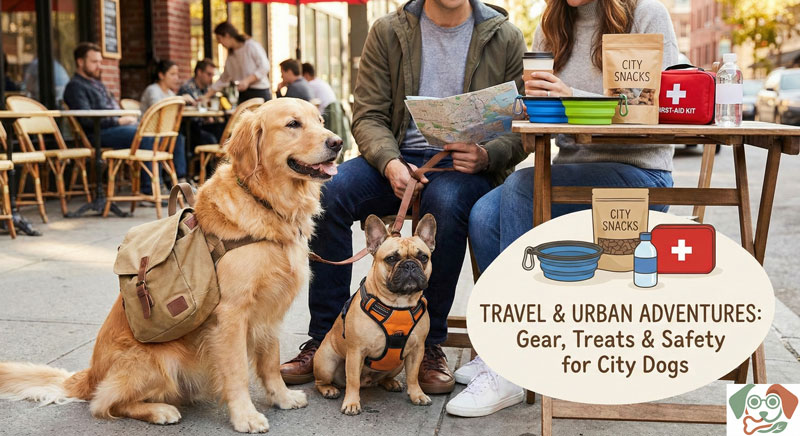
– Pack small, healthy treats, a zipper bag, water, a collapsible bowl, and waste bags.
– Decide on a cue for “heel” or “close” and practice once more before leaving the house.
5) The market walk plan (step-by-step)
– Start calm: leash your dog near your front door, then walk to the car or the transit area.
– Enter the market with a slow, steady pace. Keep your dog on the left side or whatever side you’ve practiced.
– Treat for focus: every 6–8 steps, reward a calm, near-by position with a small treat. If your dog pulls, stop walking and reset to the side before resuming.
– Use your rewards strategically: offer a treat when your dog looks at you, when you pass a distraction, and when they are walking by your side with no tension on the leash.
– Pause at corners or bustling stalls: stop, take a breath, and reward your dog for staying near you. This helps them learn it’s okay to pause with you.
– Manage energy: if your dog gets overstimulated, take a short break away from crowds, offer a quick treat, and resume once calm.
– Gradual exposure: start on quieter market days or earlier hours and slowly increase exposure as your dog improves.
6) Address itchy ears during the walk
– If your dog itches during the walk, resist pulling or yanking. Instead, redirect with a quick reward for returning to your side.
– After a moment of itching, offer a calm cue and treat your dog for resuming focus on you. If itching is frequent, note it and discuss ear health with your vet.
7) After-market routine
– Return home with a short cool-down walk or a calm leash walk indoors to help your dog decompress.
– Do a quick ear check again and wipe if needed. Clear, dry ears reduce moisture and irritation.
– Crate time or quiet rest after market adventures can help your dog reset for the next outing.
8) Suburban vs apartment considerations
– Apartment: practice in stairwells or long hallways; make a short route from apartment door to the lobby. Space is smaller, so be patient and reward often.
– Suburban: longer sidewalk routes, more space for sniff breaks. Use it to gradually increase your training distance and reward variety.
9) Crate training and safety
– If your dog rides in a car or sits on you during the outing, keep a crate or secure carrier ready at home. Crate training helps with safe transport and calmer arrival at markets.
– Always use ID tags and a leash on all outings. Carry poop bags and a mobile phone for emergencies.
10) End-of-trip care
– Hydration: bring water for your dog at the market or soon after you get home.
– Grooming: wipe paws if they got dirty; check ears again for any moisture or debris.
Mistakes to Avoid
- Yanking or force-pulling: it teaches fear and worsens leash reactivity.
- Rushing rewards: waiting too long to reward reduces learning. Reward promptly for the desired behavior.
- Over-treating: use small, healthy bites to avoid overfeeding.
- Pushing too fast: increase distance and complexity only after your dog reliably stays by your side in low-stress settings.
- Ignoring ear health: postpone long hunts if ears show significant irritation. Seek vet care promptly if symptoms persist.
When to Call a Vet or Certified Professional
- If itchy ears persist for more than a few days, worsen, or include discharge, swelling, or odor.
- If your dog shows persistent head shaking, pain, or visible ear injury.
- If loose-leash training stalls or your dog shows high anxiety or aggression toward people or dogs.
- For persistent leash reactivity or pull with poor impulse control, a certified professional trainer or veterinary behaviorist can help with a humane plan tailored to your dog.
- Vet disclaimer: this article provides tips and safety guidelines, but it does not substitute professional medical advice. If you’re worried about your dog’s ear health or behavior, contact your veterinarian.
FAQs
- Q: How often should I train loose-leash walking?
- A: Short daily sessions work well. Aim for 5–10 minutes most days, plus occasional longer practice on weekends.
- Q: My dog keeps pulling at markets. What now?
- A: Stop walking when they pull, redirect to your side with a treat, then resume walking. Consistency helps them learn the cue to stay near you.
- Q: What if my dog is anxious around crowds?
- A: Start with low-stress routes and gradual exposure. Reward calm behavior, and consider a trainer if anxiety remains high.
- Q: How do I know if ear itching is a medical issue?
- A: Look for redness, swelling, discharge, or odor. If you notice these signs, or if itching lasts more than a few days, contact your vet.
- Q: Can I do this plan with an apartment-domestic dog and a suburban dog?
- A: Yes. Adapt the route length and distractions to your space. Both settings benefit from a consistent reward-based approach.
This weekend market leash-and-reward plan is designed to be beginner-friendly and humane. With small, consistent steps at home and on the street, most dogs learn to stay closer and enjoy the experience. Ear health matters, too—keep a quick check routine, and don’t hesitate to seek veterinary advice when ears aren’t improving. By combining patient training, gentle redirection, and practical routines—apartment or suburban living—your weekend market walks can become a calm, enjoyable part of your dog’s weekly life.