
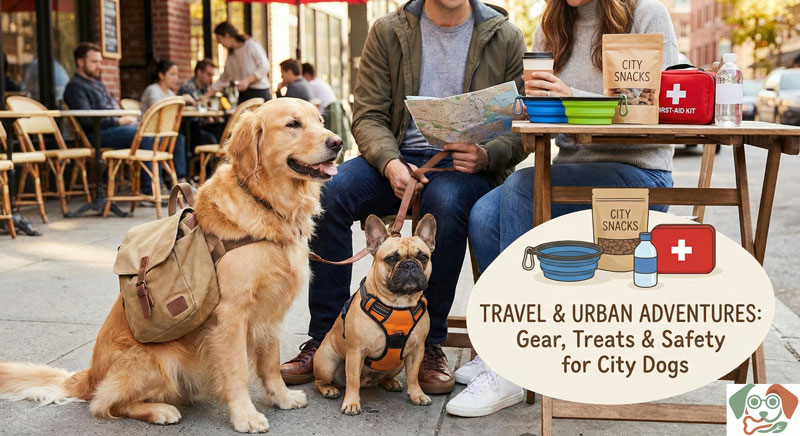
Weekend Market Walks: Leash Plus Reward Plan for Dull Coat and Loose-LEash Skills
Meta description: Weekend market walks with a leash-plus-reward plan to improve loose-leash walking and brighten a dull coat. Simple, humane steps for US dog owners.
Quick Summary
- Use a front-clip harness or standard collar with a 6-foot leash for better control.
- Pair every calm moment on a loose leash with quick, tasty rewards.
- Tackle dull coats with regular grooming, hydration, and good nutrition; address concerns with your vet.
- Build a simple weekend routine: practice indoors, then extend to markets with structure and rewards.
- Crate Training and a consistent routine support calmer, happier outings.
Why This Matters for Your Dog
A calm, well-behaved dog enjoys weekends as much as you do. Loose-leash walking reduces stress for you and your dog in crowded markets, parking lots, and busy sidewalks. A shiny, healthy coat reflects good grooming, nutrition, and overall well-being. Both goals are achievable with kind, reward-based training and practical, home-ready routines. You don’t need perfect dogs—just steady practice, small wins, and patience.
Common Causes (Key Factors)
- Loose-leash walking:
- Excitement or novelty at new sights and smells.
- Lack of clear signal: the dog doesn’t know when to pay attention or how to follow your pace.
- Inconsistent training or rewarding the pull.
- Dull coat:
- Inadequate grooming or irregular brushing.
- Improper nutrition or dehydration.
- Skin allergies or infections, seasonal shedding, or thyroid issues.
- Too little sunlight, indoor air quality, or over-bathing.
- Realistic red flags to watch:
- Persistent itching, redness, flaking, or hair loss.
- Lethargy, off appetite, or weight changes.
- Sudden behavior shifts during walks.
Note: If you notice ongoing coat changes, itching, or skin problems, consult your veterinarian. This plan supports care but is not medical diagnosis or dosage advice.
Step-by-Step What To Do
1) Gear and safety prep (weekdays and weekend)
– Use a well-fitting front-clip harness or a well-fitted collar on a 6-foot leash.
– Treat pouch, poop bags, and a small water bottle for hot days.
– Choose dog-safe treats in small pieces for quick rewards.
– Indoor practice space: a hallway, living room, or quiet balcony helps with initial skills.
– Apartment tip: practice in the hallway and near the elevator or lobby to simulate market noise gradually.
– Suburban tip: use a calm morning yard or driveway practice, then drive to quiet streets before exploring crowds.
2) Build a simple loose-leash foundation at home
– Cue and reward: Teach a “Watch me” cue. When the dog looks at you, mark with a word like “Yes” and give a small treat. Do 5–10 repetitions daily in short 3–5 minute sessions.
– Rewards for slack leash: During a walk around your home, immediately reward when the leash stays loose for 3–5 steps.
– Stop-and-reset: If the leash tightens, stop walking, take a step back, give a cue (“Let’s go”) and start again when you have slack. Repeat calmly.
– Crate and calm: Brief crate time (5–10 minutes) before going out helps your dog settle and reduces door-darting excitement.
3) Prepare a market-visit plan (weekend)
– Start with a dry run: Visit a quiet part of a park or a local market near your home for 10–15 minutes to practice the watch-me cue and loose leash.
– Market structure: Begin with a quick sniff time (2–3 minutes) to allow your dog to explore safely, then guide with a loose leash and reward calmly.
– Reward strategy at markets: Carry small, soft treats. Reward for walking with you, checking in, or following your pace rather than pulling. If your dog pulls, pause, wait for slack, then resume and reward on slack.
– Realistic pacing: If the market is crowded, step onto the curb or a quieter side street and reward calm behavior every few steps. Short, steady periods beat long, stressed ones.
– Hydration and shade: Bring water and a portable bowl; offer water after brief sniffing segments to keep energy steady.
4) Coat-care and daily routines that help Coat Health
– Brushing: Brush 3–5 minutes daily for most dogs; 5–10 minutes on tougher coats. Short, consistent sessions beat long, rare sessions.
– Bathing: Bathe as needed (not daily). Use a dog-safe shampoo and rinse thoroughly to avoid skin irritation.
– Grooming as routine: Check ears, teeth, and nails during grooming days. A healthy dog is more comfortable on walks.
– Hydration and nutrition: Ensure fresh water is always available. If you’re unsure about your dog’s diet, discuss with your vet about a balanced food plan that supports coat health (omega fatty acids, protein, and overall nutrition).
– Vet disclaimer: If coat dullness lasts beyond a few weeks or you notice skin irritations, consult your veterinarian for a professional evaluation.
5) Weekend plan progression (4-week blueprint)
– Week 1: 15-minute indoor practice + one 10-minute outdoor stroll in a quiet area; reward on slack.
– Week 2: Add 5 minutes of market-like environment at low distraction (quiet street corner or farmers market far away); maintain watch-me and slack-reward.
– Week 3: Increase to 25–30 minutes of market walk with multiple short sniff breaks; reinforce with treats every 6–8 steps of maintained slack.
– Week 4: Full weekend market walk up to 35–40 minutes if your dog remains calm; celebrate with a longer calm walk at a park or dog-friendly area after the market.
6) Practical routines by home type
– Apartment living:
– Short, daily practice sessions in a hallway.
– Crate time for resting after walks or when guests visit.
– Patrol the building during quieter times to reduce barking or excitement.
– Suburban living:
– Use a small yard or driveway practice to reinforce cues before entering public spaces.
– Schedule weekend market visits during off-peak hours to reduce crowd stress.
7) When to seek further help
– If pulling persists after consistency and practice, consider a certified dog trainer or behaviorist who uses reward-based methods.
– If coat issues persist despite grooming and nutrition, a vet check is advised.
Mistakes to Avoid
- Yanking or scolding for pulling; this teaches the dog to brace and resist.
- Overfeeding treats to compensate for misbehavior, which can cause weight gain and upset digestion.
- Moving too fast through stages; progress with small, repeatable steps.
- Allowing dogs to sniff endlessly without structure; balance sniffing with redirections and rewards.
When to Call a Vet or Certified Professional
- Chronic coat dullness with itching, redness, or hair loss.
- Signs of skin infection (Hot Spots, odorous discharge), limping, lethargy, or weight changes.
- Persistent stress, fear, or aggression during public outings despite training.
- A vet or certified trainer can help assess medical vs. behavioral causes and tailor a plan.
Note: This post emphasizes humane, reward-based training. It does not replace medical advice. For health concerns, consult your veterinarian.
FAQs
- How long should I practice loose-leash walking per session?
- Start with 3–5 minute sessions 2–3 times daily, then gradually extend as your dog stays relaxed on a loose leash.
- What if my dog still pulls on market walks?
- Pause and reset. Reward for slack, increase distance between rewards slowly, and use a front-clip harness or gentle guidance to encourage a better pace.
- Can a dull coat be caused by allergies?
- Yes. Allergies or skin issues can dull coats. A vet check can help determine the cause and treatment.
- Is market walking unsafe for a reactive dog?
- It can be challenging. Work with a trainer and start in high-control, low-distraction settings, gradually increasing exposure and rewards for calm behavior.
- Should I limit treats during training?
- Use small, healthy rewards and combine with occasional praise and play. Treats should be part of a balanced routine.
Following a weekend market plan with leash plus reward strategies can improve your dog’s leash manners and coat health over time. Start small, stay consistent, and celebrate every calm, happy outing. You’ve got this, and your dog will thank you with brighter fur, a friendlier walk, and more confidence on busy days.