
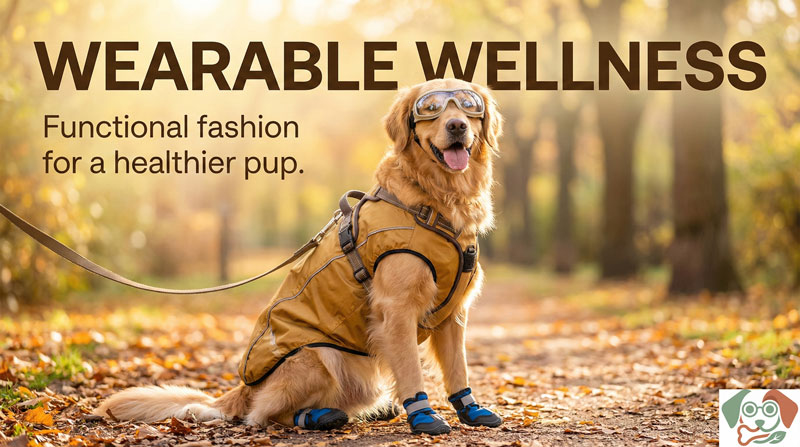
Meta description: A practical guide to waterproof versus water-resistant dog hoodies and how they affect Anxious Dogs on rainy walks.
Quick Summary
- Waterproof hoodies keep rain out and stay dry longer; water-resistant hoodies shed some water but may dry faster.
- For anxious dogs, a snug hoodie can add a sense of security during rainy walks when paired with calm handling and reward-based training.
- Fit, material, and breathability matter more than price. Start slow at home, then little by little outdoors.
- Pair gear with simple routines: prep, short practice walks, rewards, and a comfy home routine after outings.
- If anxiety is severe, or if you notice signs of health issues, call your veterinarian or a certified trainer for guidance.
Why This Matters for Your Dog
Rainy walks can be stressful for many dogs. The sound of rain, slick ground, and damp fur can heighten alertness or fear. A well-fitting hoodie can help your dog feel more secure by reducing wind chill and muffling sharp notes from street noise. At the same time, a hoodie should never replace training or veterinary care. It’s one tool in a calm, reward-based approach to help your dog enjoy outdoor time even on wet days.
Key Factors (Common Causes and What to Consider)
- Fit and movement: A hoodie should not restrict walking, turning, jumping, or bathroom breaks. Measure chest girth, neck, and length from neck to tail base.
- Material and breathability: Dogs heat up quickly. Choose a fabric that blocks rain but wicks moisture and allows air flow to avoid overheating.
- Waterproof vs water-resistant: Waterproof fabric blocks nearly all water, but can be stiffer and heavier. Water-resistant fabrics shed lighter rain and dry faster but may soak through during heavier downpours.
- Seams and fasteners: Look for flat seams, soft edges, and no rough fasteners near the neck or armpits to Prevent chafing.
- Visibility and safety: Reflective trim or bright colors help you both stay seen in low light or gray weather.
- Cleaning and maintenance: Easy-to-clean materials save time after muddy or damp walks.
- Training context: Hoodies help with comfort, but successful anxiety management also relies on short, positive experiences outdoors, predictable routines, and reward-based training.
Step-by-Step What To Do
1) Observe your dog’s cues. Is a rainy walk triggering trembling, pulling, yawning, or avoidance? Note the intensity and duration.
2) Decide on the hoodie type. If your area gets heavy rain, a waterproof hoodie may help keep fur dry longer. If you experience light rain or drizzle, a water-resistant option may suffice.
3) Measure and choose size. Use a soft tape measure:
– Chest girth around the widest part of the ribcage
– Neck circumference
– Length from collar to base of tail
– Ensure two fingers fit between the garment and skin to avoid tightness
Try on at home first without a leash, reward calm behavior with treats, and check for rubbing.
4) Introduce at home first. Let your dog sniff the hoodie, then place it on for brief periods while you reward calm behavior. Do several short sessions a day.
5) Slow outdoor introduction. Start on dry days or indoors in a safe hallway, then progress to a dry porch or balcony before a light drizzle. Keep sessions short (3–5 minutes) and end on a positive note with treats and praise.
6) Build to a rainy walk plan. Create a simple routine:
– Wake, potty, and warm-up familiar cues
– Put on hoodie while giving gentle praise
– Use a harness and leash; keep walks shorter than usual until your dog feels comfortable
– End with a return-to-home routine and quick dry-off or towel-down time
7) Combine gear with behavior support. Use reward-based training during and after walks:
– Reward cues like “sit,” “look at me,” or “leave it” with treats
– Keep a calm pace; avoid sudden pulls or scolding
– If your dog is anxious in certain areas (e.g., near a park), practice in those spaces at quiet times, gradually increasing exposure
8) Post-walk care. Gently remove the hoodie, check for skin irritation, and dry your dog. A warm, dry towel and a comfy resting spot help reduce residual anxiety.
9) Build a home routine across settings. Apartment dogs may benefit from shorter, more frequent walks and quick hoodie breaks in a small entryway; suburban dogs might enjoy longer practice walks around the block, with safe park time when weather improves.
10) Check conditioning and adjust. If anxiety remains high after several weeks of gradual exposure and positive reinforcement, consider consulting a trainer who uses humane, reward-based methods.
Mistakes to Avoid
- Forcing the hoodie on or using punishment if your dog resists.
- Choosing a size that’s too tight or too loose, causing chafing or tripping.
- Overheating with thick, heavy fabrics or wearing hoodies indoors for long periods.
- Skipping gradual exposure and rushing outdoor practice in pouring rain.
- Relying only on gear without supportive training and routine.
When to Call a Vet or Certified Professional
- If anxiety persists or worsens despite consistent training and gear use.
- If you notice signs of heat stress, skin irritation, or unusual drooling, coughing, or fatigue after wearing the hoodie.
- If your dog has a history of respiratory issues or a medical condition that may be affected by clothing.
- This article is not a substitute for veterinary or professional trainer advice. If you have concerns about your dog’s health or behavior, contact your veterinarian or a certified trainer for guidance.
FAQs
- What is the main difference between waterproof and water-resistant?
-
Waterproof blocks nearly all water; water-resistant sheds some rain but may allow moisture in during heavier rain. Choose based on typical weather and your dog’s tolerance.
-
Can a hoodie really help with anxiety?
-
A hoodie can provide a sense of security and shield from rain and wind. It works best with calm handling, short gradual exposure, and positive reinforcement.
-
How should I fit a hoodie for a short-haired dog?
-
Short-haired dogs benefit from a snug fit that minimizes drafts without restricting movement. Breathable fabric helps avoid overheating.
-
How do I wash the hoodie?
-
Follow the label. Use mild detergent, air-dry flat, and inspect seams for wear after washing.
-
What if my dog dislikes wearing any garment?
-
Start with very short, positive exposures, use high-value treats, and go at the dog’s pace. If needed, skip the garment and focus on desensitization through accessories like a calm, familiar harness or anxiety-reducing routines.
-
Is crate training related to this?
-
crate training is a separate, valuable approach for safety and comfort. A calm, familiar crate can support steady routines on rainy days, especially when paired with reward-based cues and predictable outings.
-
When should I consider a professional?
- If anxiety interferes with daily life, safety, or health, or if you feel unsure about progress, seek guidance from a certified trainer or your veterinarian.
Safety note: This article offers general guidance and is not a medical prescription or diagnostic tool. If your dog shows signs of health issues or severe anxiety, consult a veterinarian or certified professional for a tailored plan. Reward-based, humane methods are emphasized to support your dog’s well-being and daily happiness on rainy walks.