
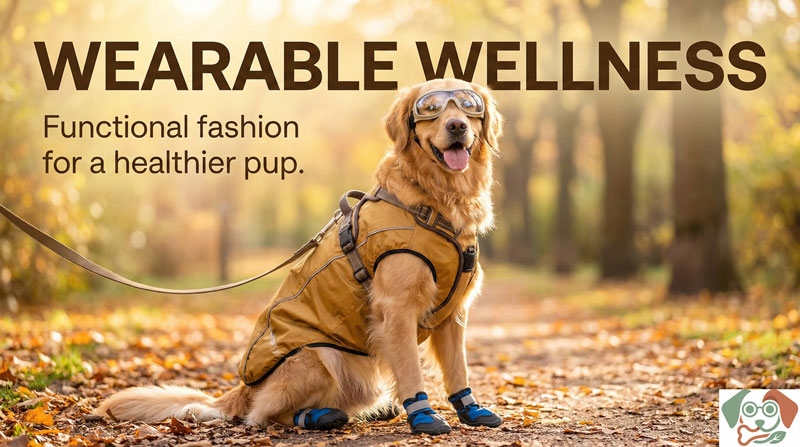
Waterproof vs Water-Resistant Cooling Vest: Which Helps With Sensitive Stomach on Rainy Walks
Meta description: Learn whether waterproof or water-resistant cooling vests best support a dog with a sensitive stomach on rainy walks.
Quick Summary
- Cooling vests come in waterproof and water-resistant styles.
- For rainy walks, a water-resistant vest often dries faster and stays comfortable.
- If your dog has a sensitive stomach, temperature and stress management can help reduce tummy upset during walks.
- Start with a gentle fit, practice indoors, then test on short outdoor trips.
- Always monitor your dog and consult a vet for chronic GI issues.
Why This Matters for Your Dog
Rainy days can be rough on dogs who have sensitive stomachs. Cold rain, damp fur, and stress from weather can nudge tummy upsets. A cooling vest helps your dog stay comfortable by regulating temperature and reducing heat buildup during a walk. The big choice is waterproof versus water-resistant fabric. The right option can keep your dog drier, cooler, and happier without adding discomfort. With clear steps and a patient, reward-based approach, you can make rainy walks easier on both body and mood.
Key Factors
- Fit and comfort: A snug, nonrestrictive vest is key.
- Breathability: Look for fabrics that let air flow to avoid overheating.
- Activation method: Many cooling vests are dampened or use chlorine-free cooling packs. Read the product notes.
- Drying time: Water-resistant shells often dry faster, which helps on back-to-back walks.
- Coat and dog size: Short-haired dogs or dogs with thick coats may react differently to moisture.
- Rain intensity: Light drizzle vs heavy rain changes how you use the vest.
- Stomach sensitivity triggers: Stress, abrupt movement, and overheating can worsen tummy upset. Temperature control is part of the overall plan.
Step-by-Step What To Do
1) Talk to your vet if GI issues are ongoing. A quick chat can confirm if any gear choices should be avoided or adjusted.
2) Choose the right vest for rainy walks.
– For apartments: consider a water-resistant vest that dries quickly between short, controlled walks.
– For suburban routines: a slightly longer vest that stays cool but dries fast works well on longer loops.
3) Measure for the perfect fit.
– Use a soft measuring tape around the widest part of the chest and the neck.
– Compare measurements to the manufacturer’s size chart.
– Ensure two fingers can fit between the vest and your dog’s body for comfort.
4) Test at home first.
– Put the vest on indoors and offer a few treats as you loosen or tighten straps.
– Let your dog walk around the living room, then sit and relax.
– Check for chafing or restricted movement.
5) Practice wearing before rain.
– Do a short indoor “weather drill” that mimics a walk.
– Reward calm behavior with treats and praise.
– If your dog shows stress, shorten the session and try again later.
6) Prep for a rainy walk.
– If using an evaporative cooling vest, dampen per product instructions or let the rain do the dampening.
– If you’re using a water-resistant shell, you’ll still benefit from shade and ventilation during the walk.
– Bring a towel and a dry layer for after the walk to Reduce chilling.
7) During the walk.
– Start with a slower pace to allow temperature regulation.
– Watch for signs of tummy distress: drooling, lip licking, yawning, or sudden quieting. If you see these, pause and offer water, check the vest, and consider ending the walk early.
– Hydration matters. Small, regular sips help prevent tummy upset.
8) After the walk.
– Remove the vest and dry your dog’s coat and paws.
– Check for skin irritation or moisture buildup.
– Launder the vest per instructions and air-dry completely before the next use.
9) Routine integration.
– In apartments, keep short, calm walks with the vest on days when rain is light.
– In suburban homes, plan a longer post-walk crate rest to help digestion relax.
– Use crate training to create a predictable, low-stress routine after outdoor time.
10) Vet follow-up.
– If GI symptoms persist after rain walks or if you notice repeated vomiting, diarrhea, or lethargy, call your vet. A quick check helps rule out other issues and confirms safe gear use.
Mistakes to Avoid
- Skipping a proper fit test and choosing too loose or too tight.
- Leaving the vest on too long or not giving breaks on a walk.
- Assuming “waterproof” equals more cooling; some waterproof fabrics can trap moisture and feel heavy.
- Not drying the dog after a walk, which can irritate skin or coat.
- Ignoring signs of stress or tummy discomfort during rain.
When to Call a Vet or Certified Professional
- Your dog shows repeated vomiting, diarrhea, lethargy, or dehydration after rainy walks.
- You notice persistent belly tenderness, poor appetite, or signs of pain.
- Skin irritation or a rash develops where the vest sits.
- Any change in appetite or digestion lasts more than a day or two.
This article does not replace medical care. If you have GI concerns, consult your veterinarian for guidance on your dog’s specific needs and safe gear use.
FAQs
Q: Waterproof or water-resistant—which is better for rainy walks with a sensitive stomach?
A: For rain, a water-resistant vest that dries quickly is usually more comfortable and practical. If the gear is damp for long, it can feel heavy and stress your dog. Choose a vest that dries fast and doesn’t trap moisture.
Q: How do I measure my dog for a vest?
A: Measure chest girth at the widest point, then measure neck circumference. Compare with the product size chart and aim for a snug fit with a little room for two fingers.
Q: Are cooling vests safe for dogs with sensitive stomachs?
A: Generally yes when used as directed and with gentle, reward-based training. Do not rely on them to treat health issues. If you have chronic GI issues, talk to your vet about whether a cooling vest is appropriate for your dog’s routine.
Q: Can the vest help with rain-related nausea or stress?
A: Temperature regulation and predictable routines can lower stress, which may help reduce tummy upset. Pair the vest with calm walking, treats, and praise.
Q: How should I clean and store the vest?
A: Rinse off salt and dirt after walks, hand wash or follow the label, then air-dry completely before storing in a cool, dry place.
Q: Should I introduce the vest during crate training or routine?
A: Yes. Briefly acclimate indoors, then add short sessions before going outside. Reward calm behavior and keep sessions positive.
If you’re a first-time gear shopper, start with a water-resistant cooling vest and a short indoor acclimation plan. Pair it with gentle, reward-based training and a predictable rainy-walk routine. With patience, your dog can stay cooler, calmer, and safer on every rain-soaked adventure.