
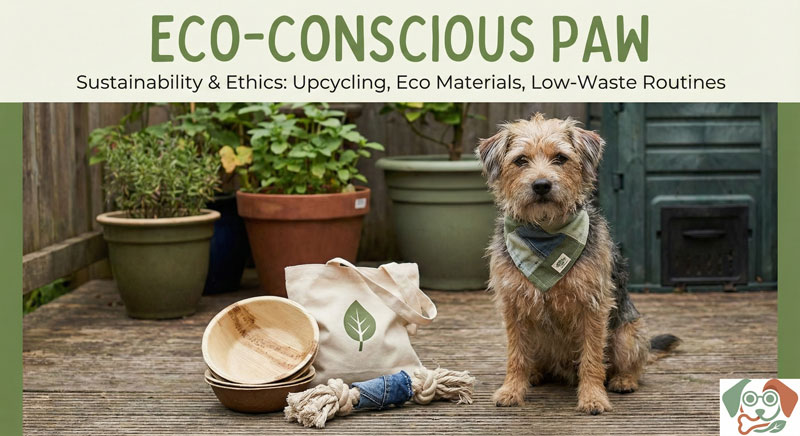
Meta description: Upcycled dog recovery suit DIY for stress relief and a zero-waste closet.
Quick Summary
- Learn how to make a soft, upcycled recovery suit for your dog using gentle fabrics.
- Builds a calm, secure feel and helps prevent licking or chewing after rides, surgery, or stress.
- Step-by-step, beginner-friendly with apartment- and-suburban-friendly examples.
- Safe dog care tips, humane training ideas, and when to seek vet help.
Why This Matters for Your Dog
A soft recovery suit can calm a nervous or recovering dog, much like a gentle hug. For post-surgery or skin irritation, it protects wounds and hot spots without a bulky cone. The upcycled approach fits a zero-waste mindset, letting you reuse old clothes and blankets instead of buying new gear. It’s simple to wash, easy to adjust, and a friendly way to support daily routines—whether you live in an apartment or a suburban home with a yard, or you’re Crate Training, visiting the vet, or heading to the dog park.
Common Factors (Key Factors)
- Stress or nervous behavior: a snug, non-restrictive layer can help soothe some dogs.
- Post-surgery or medical recovery: protects wounds from licking while allowing normal movement.
- Skin issues or hot spots: soft fabric reduces friction and irritation.
- Daily routines: a lightweight option for car rides, crate time, or crating during quiet hours.
- Environment: apartment living may benefit from compact, easy-care outfits; suburban homes may favor durable fabrics and longer wear.
Step-by-Step What To Do
1) Gather upcycled fabrics
– Look for soft, breathable materials: cotton jersey, fleece from an old blanket, brushed cotton, or a soft tee that still fits.
– Wash and dry to pre-shrink and remove any loose threads.
– Choose fabrics that are gentle on your dog’s skin and won’t irritate allergies.
2) Measure your dog
– Chest girth: wrap a soft tape around the widest part of the chest.
– Neck to base of tail: measure the length along the back.
– Add 1–2 inches for comfort and seam allowances.
– Note any mobility quirks: a dog with limited movement may need a looser fit.
3) Plan a simple pattern
– For a beginner, a one-piece tube with leg openings works well.
– Cut a rectangle wide enough to wrap around the chest plus a little extra for seam allowances.
– Mark two small round cutouts along the sides for the front legs.
– If you sew, plan a back seam; if you no-sew, plan Velcro closures along the back.
4) Cut and prepare fabric
– Use sharp scissors and cut through upcycled fabric cleanly.
– Finish raw edges with a simple zigzag stitch or use a fabric glue that’s safe for textiles (test first on a scrap).
– If using multiple fabrics, layer them for a soft inner lining and a sturdier outer fabric.
5) Assemble the suit
– Option A (sewn): Sew along the back seam and hem the edges. Attach Velcro strips at the open back to fasten.
– Option B (no-sew): Secure Velcro along the back opening and around the sides for adjustable fit. You can also use fabric ties as a gentler alternative.
– Ensure leg openings are smooth and not constricting. Check that seams don’t rub the skin.
6) Fit and adjust
– Have your dog stand and walk a few steps while wearing the suit.
– Check for rubbing, overheating, or tight spots. Adjust with extra fabric, bigger Velcro, or by trimming edges.
– Let your dog sniff the new garment. Use short, happy exposure times to build comfort.
7) Introduce gradually
– Session 1: 5–10 minutes, with treats and praise.
– Session 2: 10–15 minutes, keeping an eye out for stress signals.
– Gradually increase wear time as your dog stays calm.
8) Care and maintenance
– Remove fur and debris after wear; wash per fabric care instructions.
– Air dry or tumble on low heat as fabrics allow.
– Inspect seams weekly for wear and replace if needed.
9) Practical home examples
– Apartment: opt for a light jersey tube that fits around the chest, easy to slip on, quick to wash, and fits under a bed or couch when not in use.
– Suburban home with crate: use a slightly longer length to cover the torso when the dog is in a crate; pair with a soft mat for comfort.
– Vet visits and car rides: keep a compact version ready in a traveling tote for stress reduction during visits or rides.
Mistakes to Avoid
- Choosing stiff or heavy fabrics that trap heat or rub skin.
- Making it too tight, especially around the neck, chest, or leg openings.
- Using metal zippers near skin or rough seams.
- Leaving the dog unattended while wearing the suit for long periods.
- Expecting a suit to replace medical care or behavior training.
When to Call a Vet or Certified Professional
- You notice persistent licking, chewing, swelling, or signs of pain near wounds or covered areas.
- There is a fever, lethargy, vomiting, or changes in appetite.
- The dog shows unusual distress, dizziness, or breathing changes after wearing the suit.
- You’re unsure about wound care, surgery recovery, or a skin condition.
Note: This DIY is for comfort, stress relief, and basic protection. It is not a substitute for medical treatment. If there are medical concerns, consult your veterinarian promptly.
FAQs
- Can I use a shirt or old sweater as a recovery suit?
Yes. Start with soft, breathable fabrics and ensure a comfortable fit. You can adapt an old tee into a tube-like cover with Velcro closures. - Will the suit restrict my dog’s movement?
If measured and adjusted correctly, movement should be natural. Leave space for shoulder movement and check leg openings. - How long should my dog wear it?
Begin with short sessions (5–10 minutes) and increase gradually as your dog stays calm. - How do I wash the suit?
Use a gentle cycle with mild detergent. Air-dry or tumble dry on low if fabric allows. - What fabrics are best?
Soft cotton jersey, fleece from a blanket, or brushed cotton. Avoid rough textures or materials that shed fibers. - How do I measure for a pattern at home?
Use a soft measuring tape: chest girth, neck to tail length, and neck circumference. Add 1–2 inches for comfort. - Can this replace crate training or other routines?
No. It can support comfort and reduce stress, but it should complement humane training, crate routines, and normal care.
If you’re new to DIY projects, start simple with one fabric you already own. With a little patience, you’ll create a soft recovery suit that helps your dog feel secure, Reduces Stress, and fits neatly into a zero-waste lifestyle.