
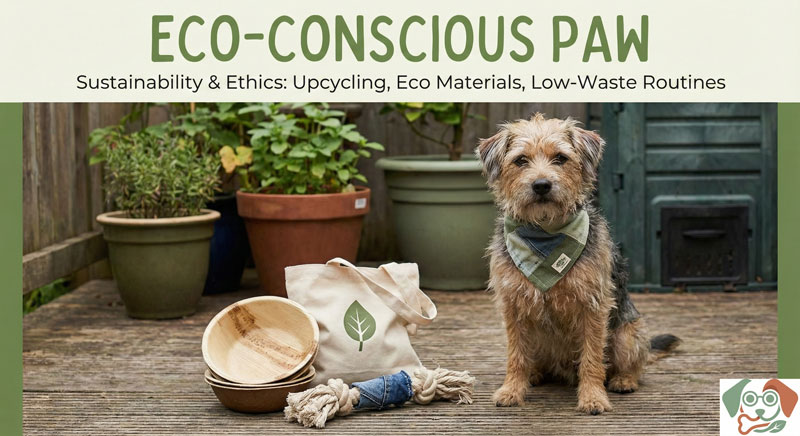
Upcycled dog car seat DIY: Softer fabrics for slippery paws and a zero-waste closet
Meta description: Upcycled dog car seat DIY with soft fabrics and a zero-waste closet for safer, comfier car rides.
Quick Summary
- Create a cozy dog car seat from upcycled fabrics and padding.
- Choose soft, textured materials to help slippery paws grip.
- Use a simple, washable cover and secure it with non-slip grips and a harness.
- Rethink your closet: save scraps, donate what you won’t use, and minimize waste.
- Perfect for beginners, with clear, doable steps for apartment and suburban homes.
Why This Matters for Your Dog
Dogs slide on bare car seats, especially on smooth fabrics. A soft, textured cover helps feet find traction, keeps your pup comfy, and reduces stress on long rides. Upcycling saves towels, blankets, and old clothes, turning waste into a useful, washable seat liner. A properly secured, washable cover makes trips to the vet, the park, or the groomer safer and calmer for most dogs.
Key Factors
- Non-slip surface: Textured fabrics (fleece, plush, sherpa, or velour) grip paws better than slick materials.
- Padding: Light batting or foam adds comfort without bulk.
- Fit and security: A cover that fits the car seat and stays in place prevents slipping and protects upholstery.
- Easy care: Removable, machine-washable covers keep odors and dirt under control.
- Safety first: Pair the seat with a harness or a crate. Never rely on the cover alone for protection in a crash.
Step-by-Step What To Do
1) Gather materials
– Old blankets, towels, fleece sheets, or a kept pile of soft clothes (upcycled fabrics).
– Lightweight padding: foam or crumpled batting scraps.
– A washable fabric cover (old pillowcase or sheet that fits the seat).
– Non-slip rug grip or silicone shelf liner for the bottom.
– A simple zipper or fabric ties for a removable cover.
– A dog harness that fits your dog and a clip or strap to attach to the seat belt.
– Scissors, a sewing kit or a sewing machine.
2) Measure your car seat
– Measure width, depth, and height of the seating area.
– Note any curves or raised edges where you want extra padding.
3) Pick fabrics and padding
– Choose two layers: a slip-resistant inner layer (silicone-backed rug grip or non-slip fabric) and a soft top layer (fleece, plush, or sherpa).
– Add a thin padding layer between the grip and the top layer for comfort.
4) Create a simple cover
– Cut the soft top layer to match the seat shape, plus a 1–2 inch margin.
– Cut the padding to fit underneath.
– If using a zipper, install a simple zip along one edge so you can remove the cover for washing.
– If no sewing, use fabric ties or Velcro to hold the layers in place.
5) Make it non-slip and secure
– Place the non-slip bottom on the car seat surface.
– Put the padding and top fabric over it.
– Attach the harness clip to a sturdy seat belt anchor or use a crash-tested harness seat attachment if available.
– Consider a removable cover that stays in place with ties or elastic around the seat edges.
6) Train your dog to use the seat
– Introduce the seat at home first. Reward with treats when your dog steps onto the seat.
– Practice short car rides, gradually increasing distance.
– Keep trips positive with praise and favorite toys.
7) Wash and maintain
– Remove the cover and wash according to the fabric’s care instructions.
– Vacuum occasionally to remove hair and dander.
– Replace padding if it becomes compressed or stained.
8) Zero-waste closet habits
– Store scraps in a designated bin for quick DIY reuse.
– Use every scrap: small patches for patches and stitches, larger pieces for future covers.
– Donate or repurpose items you won’t use, keeping your space tidy and eco-friendly.
9) Apartment vs. Suburban setups
– Apartment: Use a compact seat cover made from a single fleece layer with elastic edges to hold it in place on a small back seat.
– Suburban home: You may have a larger car seat; layer padding for extra comfort and add a thicker textured top layer for grip on longer trips.
Mistakes to Avoid
- Using slick vinyl or smooth vinyl-backed fabrics that slide easily.
- Not securing the seat properly; the cover should stay in place and not shift.
- Skipping removal of hair and dirt; wash the cover regularly to Prevent odors.
- Neglecting a harness or crate; the cover alone isn’t crash protection.
- Overfilling with padding, making the seat bulky and hard to fit in the car.
When to Call a Vet or Certified Professional
- If your dog shows signs of pain or reluctance to move after car trips.
- If car rides trigger vomiting, dizziness, or fear that persists beyond gentle acclimation.
- If your dog has a medical condition affecting joints or mobility, or if you notice skin irritation from fabric contact.
- This post is for general guidance. Always consult your veterinarian for health concerns or before new routines if your pet has medical needs.
Vet disclaimer: This article provides general care ideas and safety tips. It is not a substitute for professional veterinary advice or treatment.
FAQs
- Can I use Velcro to attach the seat cover? Yes, but ensure it doesn’t irritate paws or pulls loose during driving; test it in short trips first.
- Will this prevent car sickness? A comfortable seat can reduce stress, which may help some dogs, but car sickness has many causes. Start slow and reward calm behavior.
- How do I wash the cover? Remove the cover and wash according to the fabric’s care label; air dry to avoid shrinking.
- Is this safe for a crash? Use a harness or crate in addition to the seat cover. If you want crash protection, look for a crash-tested dog car seat or consult a certified professional about safe gear.
- My dog is large. Can I still upcycle? Yes. Use larger, stronger fabrics and a reinforced strap system. A crate-style seat may work better for big dogs.
This simple, upcycled project keeps your dog comfy, reduces waste, and fits a real-life American lifestyle—from small apartments to roomy suburbs. With a little fabric, patience, and gentle training, car rides can become a calmer, safer routine for your best friend.