
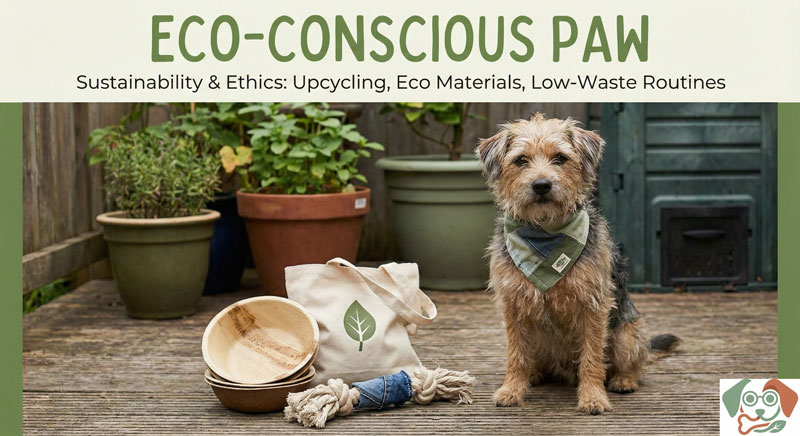
Upcycled dog bandana DIY: Softer fabrics for sensitive stomach and a zero-waste closet
Meta description: Create upcycled dog bandanas from soft fabrics for sensitive pups and build a zero-waste closet with practical, beginner-friendly steps.
Quick Summary
- Make a comfy, stylish bandana from old clothes and towels.
- Choose soft, breathable fabrics to suit sensitive dogs.
- Keep a zero-waste closet by saving scraps and upcycling regularly.
- Perfect for apartment living or a suburban yard with routine walks and crate training.
Why This Matters for Your Dog
A soft bandana adds fun without fuss. Soft fabrics reduce itching and irritation for dogs with sensitive skin or allergies. A well-made bandana can be a calm cue during walks, car rides, or trips to the park. Upcycling keeps clutter out of your home and trims your environmental footprint. And a simple, reward-based approach makes the process beginner-friendly for everyday American pet parents.
Key Factors
- Fabric choice: look for 100% cotton, cotton flannel, jersey knit, or bamboo blends. These breathe well and feel gentle on skin. Avoid rough or scratchy fabrics and fabrics that shed fibers.
- Fit and safety: the bandana should be comfortably loose but not long enough to snag on toys. Avoid buttons, beads, or loose sequins. Use a simple tie or Velcro closure.
- Size guidance: measure your dog’s neck, then add a little extra for a comfortable fold. For a small dog, a 6–8 inch square or triangle often works; for medium to large dogs, go 9–14 inches.
- Real-life use: in an apartment, a lightweight bandana helps with quick photo moments and leash-on outdoor time. in a suburban home, you can swap quick-access scraps for seasonal bandanas to match walks and crate routines.
- Care and washing: pre-wash fabrics to remove excess dyes. Use mild detergent. Air-dry or tumble-dry on low heat to protect fibers.
Step-by-Step What To Do
1) Gather scraps and plan
– Source soft scraps from old shirts, sheets, towels, or blankets. Avoid fabrics that left a sour smell or sticky residues.
– Decide on one or two sizes to suit your dog. In apartments, a smaller, lighter bandana is convenient for daily wear; in a yard space, you can use a longer, triangular bandana for crate corners or car rides.
2) Measure your dog
– Use a soft tape measure around the neck. Add 2–3 inches for fold and comfort.
3) Pick the fabric
– Choose soft fabrics: cotton jersey, flannel, or a cozy cotton-poly blend. If your dog has sensitive skin, pick plain, breathable fabrics with minimal dye.
4) Cut the fabric
– For a simple triangle: cut a square and fold into a triangle. For a square: cut 8–10 inches, then loop to tie or add Velcro.
5) Finish edges
– Sew a neat edge with a zigzag stitch or a simple overcast stitch. If you don’t sew, you can use fabric glue or bias tape to seal raw edges.
6) Add a simple closure
– Use a small Velcro strip or a fabric tie. Ensure there’s no loose piece that can be chewed.
7) Add a safety check
– Check all seams and closures. Tug gently to ensure nothing can pull free during a walk or a dog park visit.
8) Try it on and adjust
– Gently place the bandana around the neck. If it shifts, shorten or adjust the tie. Reward your dog with praise or a treat.
9) Wash and prep for use
– Wash the finished bandana before first wear. This is especially important if it comes from multiple fabric scraps.
10) Make it a zero-waste routine
– After making one, sort scraps into bins: small pieces for future trims, larger pieces for future bandanas. Keep a small “bandana kit” in a closet or drawer for quick projects.
Helpful home examples
– Apartment: use lightweight cotton for daily wear, easy care. Rotate 1–2 bandanas in the laundry day routine.
– Suburban home with a yard: save sturdier scraps for a longer, triangle-style bandana for car rides or crate time. Use reflective tape if you walk at dawn or dusk.
Mistakes to Avoid
- Using rough or scratchy fabrics that irritate skin.
- Making the bandana too tight or too loose. It should be snug but comfortable.
- Not finishing edges; raw edges can fray and shed fibers.
- Using small pieces with loose threads or embellishments that could be chewed.
- Skipping a wash before first wear; dyes can irritate sensitive dogs.
- Ignoring a skin reaction; if red spots appear, stop using the bandana and consult a vet.
When to Call a Vet or Certified Professional
- If your dog shows persistent itching, redness, swelling, or a rash where the bandana rests.
- If your dog chews and swallows fabric pieces or shows GI upset after wearing the bandana.
- If you’re unsure about fabric allergies or skin conditions, consult your veterinarian for guidance on safe materials.
- Vet disclaimer: This blog offers general tips. It is not medical advice. If you notice unusual symptoms, contact your vet promptly.
FAQs
Q: Can I machine-wash the bandana?
A: Yes. Use a gentle cycle with mild detergent. Air-dry or tumble on low heat.
Q: What fabrics are Best for sensitive dogs?
A: Soft cottons, jersey knits, and bamboo blends are typically gentle. Test a small patch on your dog’s skin first if there’s any concern.
Q: How do I measure my dog for a bandana?
A: Measure around the neck, then add 2–3 inches. Use that as your bandana width and adjust with ties or Velcro as needed.
Q: Will my dog wear a bandana during crate training?
A: Yes, if introduced gradually. Start with short, positive sessions, give treats, and remove if dog seems stressed.
Q: How can I keep scraps from going to waste?
A: Sort scraps by size and color. Plan one upcycle project per week. Give away larger scraps to friends or local upcycling groups.
Q: Is a bandana a must for every outing?
A: Not required, but it can be a friendly accessory. Prioritize your dog’s comfort and safety, especially at the park or vet visits.
If you’re just starting, this DIY project can be a gentle, rewarding way to help your dog feel comfy and loved. It fits an apartment routine or a suburban family life, pairs well with crate training, and supports a zero-waste home. With soft fabrics and simple steps, you’ll create a small, friendly habit that protects your dog’s comfort while keeping your closet tidy.