
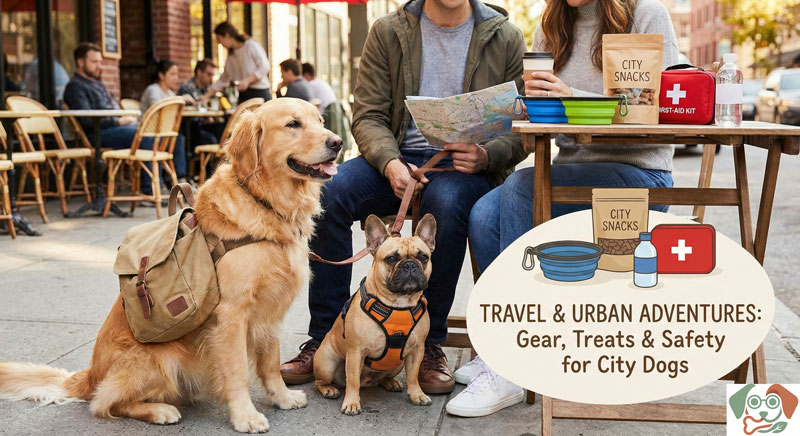
Meta description: The chic transit kit helps dogs manage joint pain on the go with a Flat Collar, wipes, and joint-friendly treats.
Quick Summary
- The chic transit kit combines a comfortable flat collar, dog wipes, and joint-support treats.
- Use it on every outing—apartment living, walks in the suburbs, trips to the dog park, and crate time at home.
- Pair the kit with humane, reward-based training and regular vet check-ins.
- Keep routines simple: daily walks, gentle stretching, and mindful crate time.
- Always monitor for signs of pain and consult a vet for persistent issues.
Why This Matters for Your Dog
Joint health affects mobility, mood, and daily happiness. A flat collar is easy to adjust and comfortable for most dogs, making quick trips or park visits safer. Wipes help keep paws clean and reduce skin irritations from dirt, salt, or dampness—factors that can aggravate joints when dogs lick irritants. Treats designed to support joint health can be a tasty reminder to move and stretch—without turning every outing into a struggle. Together, these items support a calm, controlled routine that fits a busy American lifestyle, from apartment living to spacious homes with yards.
Common Factors
- Age and breed: older dogs often show stiffer joints; larger breeds may feel the difference sooner.
- Activity level: regular walking and play support joint flexibility; too little movement can stiffen joints.
- Surface and weather: slippery floors and winter salt can irritate paws and affect gait.
- Diet and weight: extra weight adds stress to joints; a balanced diet helps maintain mobility.
- Vet guidance: some dogs benefit from professional evaluation and tailored care plans.
Step-by-Step What To Do
1) Choose and fit a flat collar
– Measure your dog’s neck: use a soft measuring tape or a string and then measure the string with a ruler.
– Pick a flat collar with a quick-release buckle and a D-ring for easy leash attachment.
– Fit it properly: you should be able to slide two fingers between the collar and your dog’s neck. If it’s too loose, it can slip off; if too tight, it can irritate.
– For apartment or indoor dogs, a lightweight collar is ideal; for dogs that explore outdoors, a sturdy buckle is best.
2) Stock the transit wipes
– Look for fragrance-free, gentle wipes suitable for paws and fur.
– Use wipes after walks or park visits to remove dirt, mud, or de-icing salt. Gently wipe between toes and the paw pads.
– Let paws dry before re-entering the home to reduce damp floors and slipping hazards.
3) Pick joint-support treats (talk to your vet first)
– Choose treats with clear joint-health ingredients (look for glucosamine, chondroitin, or omega-3s). Read labels to avoid fillers.
– Start with one small treat and watch for changes in appetite or digestion.
– Use treats as a positive reinforcement during walks, Crate Training, and gentle stretches. The routine should feel rewarding, not forced.
4) Create simple routines for apartment and suburban homes
– Apartment: two short, leash-free play breaks plus a 20-minute walk, then a calm crate time routine before bed.
– Suburban home: a longer morning walk, a mid-day sniff-and-stretch loop, and an evening short walk. Use the transit kit on all outings.
– Crate training: pair the crate with a toy, a light snack, and a calm command so resting feels easy and safe.
5) Safety and care during outings
– Use the flat collar properly, and carry a spare leash in case you need it at a park.
– Bring wipes for a quick after-walk clean and a few treats for positive reinforcement.
– Hydration and shade are essential on hot days; avoid extreme heat and pavement burns.
6) Coordinate with vet visits
– Bring notes about mobility changes, stiffness, or reluctance to move.
– Discuss supplements, diet, and exercise plans. Do not start any new supplement without a vet’s guidance.
Mistakes to Avoid
- Ignoring early signs of joint pain or limping.
- Using a collar that is too tight or too loose on a daily basis.
- Overfeeding treats or using treats as a substitute for exercise.
- Rushing crate training or forcing activity after injury signs.
- Skipping routine vet checks or professional advice when problems persist.
When to Call a Vet or Certified Professional
- Persistent limping, swelling, or sudden reluctance to walk.
- Signs of significant pain, such as vocalizing during movement or guarding joints.
- Rapid changes in appetite, energy, or weight.
- If joint stiffness lasts more than a few days or worsens with activity.
Note: This article does not replace professional care. If you suspect joint pain or mobility issues, consult your veterinarian. Do not use medications or dosages described online without professional guidance. Humane, reward-based training and gentle exercise are the recommended approach.
FAQs
- Is a flat collar safe for dogs? Yes, when properly fitted. Check fit regularly and adjust as needed.
- Can wipes irritate my dog’s skin? Use fragrance-free, gentle wipes and wipe away residue to prevent irritation.
- Are joint-health treats safe? Choose reputable brands and check ingredients. Start with small portions and monitor for digestion changes.
- How can I tell if my dog has joint pain? Look for stiffness after resting, trouble getting up, limping, or reluctance to climb stairs or jump.
- How do I introduce new products to my dog? Introduce one item at a time, in a calm setting, with praise and a small reward.
With the chic transit kit in hand, everyday dog parents can support joint comfort during the busy hours of daily life—from apartment dwellers to suburban families. Small, consistent steps—proper collar fit, paw care, and thoughtful treats—add up to happier, more mobile days for your best friend.