
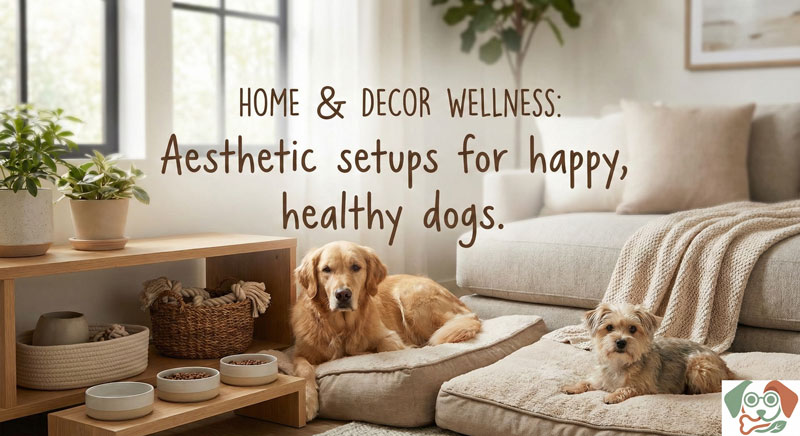
Meta description: Create a chic, calm dog corner with textures, safe chews, and gentle Routines to ease anxiety.
Quick Summary
- Set up a dedicated calm corner with soft textures and safe chew items.
- Use a simple, predictable daily routine to calm nerves.
- Include crate time and quiet moments, tailored to apartment or suburban living.
- Observe your dog and adjust textures, chews, and routines as needed.
Why This Matters for Your Dog
Anxiety chips away at a dog’s happiness. When nerves run high, dogs may pace, pant, shake, or avoid people and new spaces. A steady, soothing space helps them settle faster and sleep better. A calm corner paired with gentle routines supports digestion, learning, and overall well‑being. Small, consistent steps add up to real comfort for everyday dogs—and for the people who love them.
Common Causes (or Key Factors)
- Noise and lights from outside (sirens, traffic, elevators, thunderstorms).
- Separation from a person or family routine.
- Big changes: moves, new pets, new work schedules.
- Overstimulation from busy homes or crowded dog parks.
- Inconsistent routines or long gaps between meals, walks, or rest.
- Pain or illness that makes relaxation hard.
Step-by-Step What To Do
Step 1: Design the chic calm corner
– Pick a quiet, low-traffic area in your home. In an apartment, a living room corner near a sofa works well; in a suburban home, a bedroom or den can be ideal.
– Create a defined zone: a soft bed or mat, a small crate or crate-cover if you like, and a low shelf or basket for chews and toys.
– Keep the space stable. Avoid moving the corner frequently to maintain predictability.
Step 2: Choose textures and safe chews
– Textures: a plush blanket, a fleece throw, a snuffle mat for enrichment, a low-cost rubber or nylon chew, and a non-slip pad under the bed.
– Chews: select durable, size-appropriate chews made for dogs. Rotate chews to keep interest high, but supervise until you know what your dog tolerates.
– Avoid clutter near the corner that could tempt a dog to chew inappropriate items.
Step 3: Establish quiet routines
– Set regular wake, meal, walk, play, and bedtimes. A predictable rhythm reduces anxiety triggers.
– Incorporate short, calm sessions each day. For example, a 5–10 minute wind-down after a walk.
– Use a cue word like “calm” or “settle” when you begin the quiet routine, and reward with a treat and gentle praise when your dog relaxes.
Step 4: Build positive crate training (if you use a crate)
– Introduce the crate as a inviting space: place soft bedding, a favorite toy, and a treat given inside the crate.
– Start with short periods (a few minutes) and gradually lengthen as your dog stays calm.
– Never use the crate as punishment. If your dog shows stress, slow down and adjust the schedule.
Step 5: Practice calm exposure and routine transitions
– Practice moving from activity to calm: fetch to quiet corner, yard play to rest in the corner.
– Use gentle rewards for calm behavior: praise, a favorite treat, or a quick massage.
– Keep sessions short and frequent rather than long and tiring.
Step 6: Enrichment without overstimulation
– Use a sniffing mat or puzzle feeder for gentle mental work.
– Balance enrichment with plenty of calm time in the corner.
– Spend time together in a low-key way: quiet cuddles, soft talk, light grooming.
Step 7: Vet visits and safety
– Schedule routine vet checks to rule out pain or illness that could raise anxiety.
– If you notice persistent or severe anxiety, ask your vet about a referral to a veterinary behaviorist or certified trainer who uses reward-based methods.
Apartment vs. suburban home notes
– Apartments: soundproof the back-and-forth noises with white noise or a fan; keep the corner near you so your dog feels close by; limit access to the busiest hallways during the day.
– Suburban homes: you may have more space for a larger bed, crate, or Snuffle Mats; place the calm corner near a window with soft natural light, but not in a bright, sunny spot that can overheat.
Step-by-step daily example
– 7:00 am wake, quick potty, light walk.
– 7:30 am breakfast in a calm area.
– 8:15 am calm time in the corner with a chew.
– 12:30 pm lunch or treat break, short rest, and a sniff session.
– 4:00 pm gentle play, followed by quiet time in the corner.
– 8:30 pm wind-down: soft petting, calmer cues, and crate time if you use one.
– 10:00 pm last potty and bedtime in the calm corner.
Mistakes to Avoid
- Punishing anxiety with scolding or removal of comfort items.
- Forcing socialization when your dog is overwhelmed.
- Leaving your dog alone for long stretches without a gradual plan.
- Relying on aversive tools or gadgets without professional guidance.
- Changing routines abruptly; dogs benefit from consistency.
- Overloading the space with too many toys or stimuli.
When to Call a Vet or Certified Professional
- Anxiety lasts for weeks or worsens despite your calm corner and routine.
- Your dog shows eating or drinking changes, trembling at rest, or severe behavioral changes.
- You’re considering medications or training plans that go beyond basic steps.
- A veterinary behaviorist or certified trainer can tailor a plan to your dog’s needs. This article provides general ideas only; consult a professional for personalized guidance.
Vet disclaimer: This post is for general information and does not replace a professional diagnosis or treatment plan. If your dog’s anxiety is persistent or severe, please consult your veterinarian.
FAQs
- Will a calm corner fix anxiety on its own? It helps as part of a broader, humane plan. Consistency matters.
- How long before I see changes? Some dogs respond in days; others may take several weeks with steady practice.
- Can I use essential oils or sprays? Some scents can irritate dogs. Check with your vet before using any new product around your dog.
- Are crate trainings and chew toys safe for apartment living? Yes, when used with supervision and proper sizing.
If you’re ready, start with one calm corner and 2–3 textures. Gradually add a new cue, a short routine, or a fresh chew. Small, steady steps fit most homes—from cozy apartments to family-friendly suburbs—and can make a real difference in your dog’s daily comfort.