
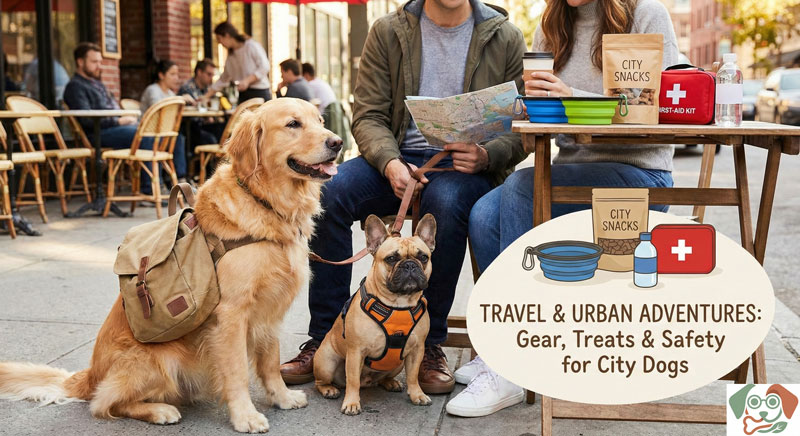
The 2026 urban walk setup: Reduce dull coat with gear that looks good
Meta description: A beginner-friendly guide for U.S. dog owners to boost coat health with smart gear and routines during urban walks.
Quick Summary
- Urban walks in 2026 can boost coat health when paired with the right gear and routines.
- Pick gear that fits well, looks good, and reduces rubbing and stress on your dog.
- Build a simple grooming and nutrition plan you can stick to at home, apartment or suburb.
- Use humane, reward-based training to make walks enjoyable and calm.
- Prioritize safety, crate routines, vet checks, and smart park etiquette.
Why This Matters for Your Dog
A shiny, healthy coat comes from good brushing, balanced nutrition, and gear that fits without rubbing. City life brings dust, pollution, and more walking, which can dull a coat if grooming and gear are off. The right gear relieves pressure, prevents friction along the chest and underarms, and helps you stay in control with comfort for your dog. A steady routine reduces stress and encourages slow, sniff-friendly exploration, which is great for coat and skin health. Small, consistent care—daily brushing, scheduled walks, and regular vet checks—goes a long way.
Key Factors
- Coat type and skin health: short-, medium-, and long-haired dogs need different grooming.
- Grooming routine: regular brushing prevents matting and distributes natural oils.
- Nutrition and hydration: balanced meals with healthy fats support coat sheen.
- Gear fit and materials: soft, breathable fabrics and properly adjusted harnesses prevent chafing.
- Urban pace and routine: predictable schedules reduce stress and improve coat condition.
- Training style: reward-based methods keep walks calm and enjoyable.
- Vet care: annual checkups catch skin or coat issues early.
Step-by-Step What To Do
1) Do a gear audit for comfort and style
– Check collars, harnesses, and leashes for rubbing points, frayed straps, and dirt buildup.
– Replace stiff or abrasive materials with padded, breathable fabric.
– Look for reflective or bright elements that help you stay seen at dusk or dawn.
2) Upgrade gear thoughtfully
– Choose a front-clip or well-fitted harness to Reduce pulling and chest rubbing.
– Pair with a sturdy, comfortable leash and a well-made collar for ID.
– Pick gear colors or patterns that complement your dog’s coat and your home style.
3) Build a simple urban walk routine (apartment or suburban)
– Apartment: two 15–20 minute walks daily, plus a 5–10 minute sniff session in a hallway or small yard if you have access.
– Suburban: one longer 25–40 minute walk with a 10–15 minute park break for sniffing. Alternate routes to keep things interesting.
– Always end walks with a brief brushing session at home to remove loose fur and dirt.
4) Establish a grooming plan that fits your schedule
– Brush your dog 3–5 times a week for 5–10 minutes, using a brush suited to coat type.
– Bathe only as needed (usually every 6–8 weeks unless advised by your vet); over-bathing can strip natural oils.
– Check ears, nails, and skin during grooming for any redness, irritation, or signs of infection.
5) Focus on coat health through nutrition and water
– Feed a high-quality diet appropriate for age, size, and activity.
– Discuss with your vet the role of omega-3 fatty acids or other coat-supporting options; avoid making changes without professional guidance.
– Offer fresh water before and after walks to keep skin hydrated.
6) Practice humane, reward-based training on the go
– Use treats and praise to encourage loose leash walking and polite greetings.
– If your dog pulls on a harness, reward the moment you stop moving so you reinforce calm behavior.
– Practice “settle” or “place” commands in calm spots before entering dog parks.
7) Crate training and downtime
– Include a snug crate or a cozy resting spot for calm downtime between walks.
– Short crate sessions help with rest days and provide a safe space in busy urban areas.
8) Gear care and household integration
– Wipe down gear after walks to remove dust and salt.
– Regularly wash soft fabrics; air dry to maintain shape and softness.
– Have a dedicated spot for gear near the door so routines stay consistent.
Mistakes to Avoid
- Using harsh, stiff collars or rubbing gear that digs in; it can irritate skin and cause coat dullness.
- Over-bathing or using human products not designed for dogs.
- Skipping grooming days or letting mats form, especially in longer coats.
- Pushing through pain or discomfort during training; always opt for gentle, reward-based methods.
- Neglecting vet checks if you notice skin changes, itching, or hair loss.
When to Call a Vet or Certified Professional
- You notice persistent or worsening skin redness, rashes, hair loss, constant itching, or sores.
- Your dog is unusually lethargic, has a poor appetite, or shows signs of systemic illness.
- There is a new lump, swelling, or a change in coat texture that concerns you.
- Skin issues persist after adjusting grooming and diet, or if you’re unsure about a supplement.
- Vet disclaimer: This post is for general guidance. It does not replace professional veterinary advice. If you have concerns about your dog’s health, contact your veterinarian promptly.
FAQs
-
Q: What gear makes coats look and feel better during urban walks?
A: A well-fitting padded harness, a sturdy leash, and reflective gear help reduce rubbing and keep your dog comfortable and visible. -
Q: How often should I brush my dog to prevent a dull coat?
A: Most dogs benefit from brushing 3–5 times per week. Shorter sessions work if you’re busy; daily quick brushs are ideal for long coats. -
Q: Can I use omega-3 supplements to improve coat health?
A: Talk with your vet first. They can recommend a safe option tailored to your dog’s needs and health status. -
Q: How long should an urban walk routine take?
A: Start with 20–40 minutes total daily, then adjust based on age, breed, and energy level. Include some sniffing time and short rests. -
Q: Is crate training compatible with city life?
A: Yes. A crate provides a calm space and can help with routine, especially in apartments with close neighbors or when you’re out.
If you’re starting fresh, small, steady steps beat big changes. By choosing gear that protects the coat, setting a few routines, and keeping training humane and rewarding, your dog can look and feel better on every City Walk.