
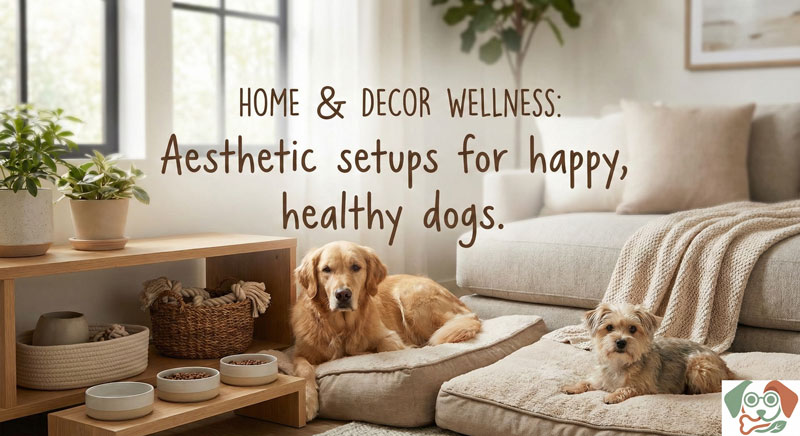
The 2026 pet-safe decor guide: Reduce obesity without harsh materials
Meta description: Discover pet-safe decor ideas that encourage activity and weight control for dogs, using humane, practical design for all U.S. homes.
Quick Summary
- Create a home that nudges your dog to move more, not to snack mindlessly.
- Use safe, durable decor and hidden enrichment to boost activity.
- Plan routines that fit apartment living and suburban yards alike.
- Choose humane, reward-based training and crate routines.
- Regular vet visits help tailor goals to your dog’s needs.
Why This Matters for Your Dog
Obesity adds stress to joints, heart, and energy levels. In 2026, a practical, humane decor approach can gently encourage activity without harsh treatments or punitive methods. A well-designed space makes movement a natural part of daily life—just as brushing teeth is routine, so is a short play session after meals. A few thoughtful swaps in your home can help your dog stay lean, comfortable, and happy for years to come.
Key Factors
- Enrichment: Activities hidden in decor keep the mind and body busy.
- Accessibility: Water, toys, and food puzzles should be reachable but not overwhelming.
- Safety: Non-toxic materials, chew-safe textures, and no choking hazards.
- Routine: Regular walks, play, and crate time create predictability and success.
- Environment: Apartment layouts vs. suburban yards require different pacing and spaces.
Step-by-Step What To Do
1) Assess your space and set a goals list
– Apartment dwellers: Aim for 20–40 minutes of combined activity daily, plus short bursts of training and play.
– Suburban homes: Plan a mix of yard active time, indoor enrichment, and walks. Use the yard to add movement without coaxing snack time.
2) Upgrade decor to promote movement (safe and stylish)
– Puzzle feeders disguised as decor: Bowls mounted on low, stable stands that release a kibble or two when nudged.
– Interactive toys tucked in low shelves: Soft squeaky toys, Kongs, or treat-dispensing balls become part of daily rhythm.
– Low-impact obstacle corners: A short tunnel, a small step or ramp, and a low curb-like setup to encourage running and sniffing.
– Safe chew zones: Durable rubber toys near resting spots to invite motion after meals.
3) Create practical routines you can keep
– Morning: A short walk or sniff session, then breakfast with a hidden feeder corner.
– Midday: A 10–15 minute indoor game or stair-step practice if stairs exist.
– Evening: A longer walk or park time, plus a calm puzzle before bedtime to help digestion.
– Crate training: Pair crate time with meals or chew toys to create a positive association.
4) Build an apartment plan and a suburban plan
– Apartment example: Use vertical space, a small hallway workspace for treats, and a compact puzzle feeder on the coffee table. Keep mats and bowls out of high-traffic zones.
– Suburban example: A dedicated playroom or sunroom with a low, sturdy ramp and a wide, washable rug. Outdoor time can be linked to a variable feeding schedule with a slow feeder bowl on a porch step.
5) Vet and training integration
– Talk with your vet about weight goals and daily calorie needs. They can help set a target weight and a safe pace.
– Use reward-based training to add activity. Short, positive sessions reinforce behavior without stress.
6) Monitor progress
– Weigh-in monthly or as advised by your vet. Track inches around the chest or belly if you’re monitoring shape.
– Adjust play and feeding if your dog loses or gains weight too quickly.
7) Seasonal and decor updates
– In winter, indoor ramps and stairs become vital to keep moving. In summer, shade and water features encourage outdoor activity without overheating.
8) Safety reminders
– All decor should be non-toxic and sturdy. Avoid small parts that can be swallowed.
– Keep cords, strings, and loose fabrics out of reach.
Note: This guidance provides practical steps. It is not a diagnosis or a treatment plan. If you have health concerns, consult your veterinarian for personalized advice and a plan tailored to your dog. Use humane, reward-based methods, and avoid harsh methods or medication dosages without professional guidance.
Mistakes to Avoid
- Overloading the space with gadgets that encourage snacking without activity.
- Using punishment or force to enforce movement.
- Ignoring water access or letting meals replace walks and play.
- Relying on a single device instead of a varied routine and enrichment.
- Skipping crate training or treating it as a punishment.
- Ignoring seasonal heat or cold that reduces activity.
When to Call a Vet or Certified Professional
- Your dog is not gaining or losing weight as expected, or you notice sudden changes.
- You see signs of lethargy, pain, or breathing changes with activity.
- You want a tailored feeding plan, energy targets, or a safe exercise schedule.
- If you’re unsure how to tailor the decor to your dog’s health, a professional can help design a plan that fits your home.
FAQs
Q: Can decor really impact a dog’s weight?
A: Yes. Thoughtful layout and enrichment can encourage more movement and reduce mindless snacking.
Q: What is a humane way to add activity through decor?
A: Use puzzle feeders, safe obstacle courses, and treat-dispensing toys integrated into daily routines.
Q: How do I start if I live in a small apartment?
A: Start with one or two enrichment options and short, consistent play sessions. Build gradually.
Q: How often should I weigh my dog?
A: Check with your vet, but many owners weigh monthly or quarterly to track trends.
Q: What if I already have an overweight dog?
A: Begin with veterinary guidance to set a safe weight loss pace and combine it with gentle, reward-based activity and enrichment.
This 2026 guide keeps daily life simple, kind, and effective. By shaping your home into a space that naturally encourages movement, you can help your dog stay active, lean, and content—without harsh materials or methods.