
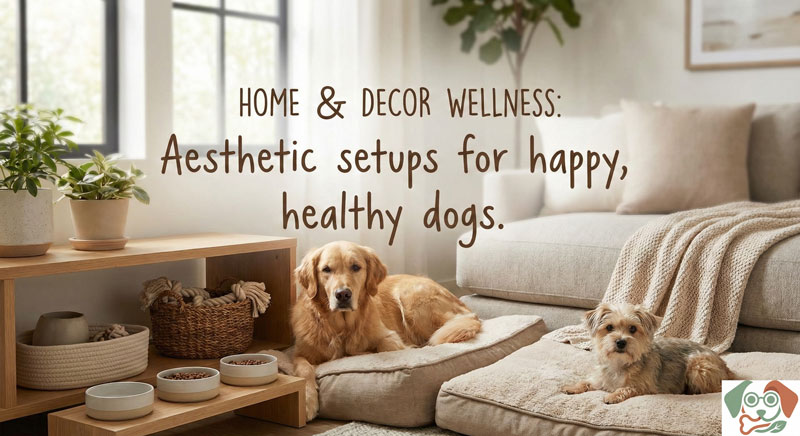
Quick Summary
A calm, pet-safe home can help reduce stress and support healthy digestion for dogs. This 2026 guide focuses on decor that’s easy to clean, non-toxic, and enriching—plus practical routines that support stool health. Action steps: choose washable, non-slip surfaces; store cleaners safely; use dog-safe plants; keep a consistent feeding and potty routine; crate train for safety and calm; and know when to seek vet help.
Meta description: A 2026 pet-safe decor guide for US dog owners to Reduce loose stools using calm spaces and easy-to-clean materials.
Why This Matters for Your Dog
A comfortable home lowers stress, supports digestion, and makes daily care easier. Pet-safe decor reduces exposure to irritants, helps curb accidents, and makes cleanups quicker. A calm environment pairs with consistent feeding, hydration, and potty routines to support your dog’s gut and overall health. This guide stays practical for apartment living or suburban homes, with real-life routines and crate-training tips that work in everyday life.
Key Factors That Can Affect Stools (Common Causes)
- Diet changes or raw/undigested treats. Abrupt changes upset the gut.
- Access to garbage, spoiled food, or scavenging in decor and home clutter.
- Stress from noise, chaos, or uncomfortable spaces (soft corners help).
- Allergies or sensitivities to foods, frequent treats, or a new toy.
- Parasites or infections, which require a vet check.
- Inadequate hydration or inconsistent feeding schedules.
- Harsh cleaners or strong odors near dog areas.
Decor choices can influence stress, cleanliness, and access to safe zones. The goal is a calm, clean, dog-friendly space that’s easy to maintain and safe for daily life.
Step-by-Step What To Do
1) Create a calm, accessible crate zone
– In an apartment: set up a quiet corner with a crate, a soft bed, and a washable mat. Keep it near family activity but with a retreat feel.
– In a suburban home: place the crate in a low-traffic room with a baby gate for secure space. Use a crate cover if your dog prefers darkness for resting.
– Keep perimeters clear of small decor items your dog could chew or swallow.
2) Choose pet-safe decor and flooring
– Pick easy-to-clean flooring in high-traffic areas (sealed wood, tile, or vinyl). Add a washable, non-slip rug at potty and feeding spots.
– Opt dog-safe, non-toxic plants or no plants in rooms your dog uses daily. Check ASPCA lists to avoid hazards.
– Use muted, dog-friendly colors that reduce visual stress and make routines feel predictable.
3) Clean with pet-friendly products
– Use enzymatic cleaners for messes and follow label directions. Store cleaners out of reach.
– Ventilate rooms after cleaning to minimize strong smells that may irritate noses and cause stress.
4) Stabilize diet and hydration
– Feed at consistent times; avoid sudden changes. If you must switch foods, do it gradually over a week.
– Provide fresh water at all times and refill during the day, especially after walks or play.
– Avoid table scraps and high-fat goodies that can upset digestion.
5) Establish routines that support potty health
– Take your dog out first thing in the morning, after meals, naps, and before bed.
– Use a consistent potty area. If you’re in an apartment, use a balcony or nearby park; in a suburb, use a regular yard spot.
– Crate training reduces accidents and can lower stress, which supports digestion.
6) Create stress-reducing spaces
– Use dim lighting, soft sounds, and predictable daily rhythms. Hide noisy toys when not playing.
– Provide safe chew options and puzzle feeders to keep the mind active without overloading the gut.
7) Keep the outside world in check
– When visiting dog parks or busy streets, keep a routine and bring water, waste bags, and a calm mindset. Clean up after your dog to avoid infections.
8) Safety checks for decor
– Loose cords and small decor pieces should be secured or out of reach.
– Avoid sharp edges and opt for rounded furniture where possible.
– Ensure trash bins have secure lids to Prevent scavenging.
9) Plan for vet-ready moments
– Maintain a simple note of any dietary changes or new products. If stools remain loose for more than a day or two, contact your vet for guidance.
Mistakes to Avoid
- Making big diet changes without a gradual transition.
- Using harsh cleaners or exposed toxins in dog areas.
- Letting clutter create stress or access to small objects.
- Ignoring early signs of GI distress or dehydration.
- Skipping crate training or not providing a safe, quiet space.
When to Call a Vet or Certified Professional
- Loose stools lasting more than 24–48 hours.
- Vomiting, lethargy, fever, blood in stool, or signs of dehydration.
- Signs of abdominal pain, refusal to eat, or if your dog is very young or elderly.
- If you’ve recently changed diets or added new treats and stools are persistently off.
This guidance is for general information. If symptoms persist or worsen, contact your veterinarian for an exam and tailored advice. A vet can rule out infections, parasites, or allergies and offer nutrition or management steps suited to your dog.
FAQs
- Can decor really affect my dog’s stools? Yes. Stress, access to irritants, and cleanliness all influence digestion. A calm, clean space helps.
- What is pet-safe decor? Non-toxic materials, washable surfaces, non-slip flooring, secure storage for cleaners, and dog-friendly plants.
- How can I clean up diarrhea safely at home? Use a pet-safe enzymatic cleaner, rinse with water, and dry thoroughly. If indoors, ventilate and re-check the area for safety.
- Does crate training help with stool health? Yes. A calm crate area reduces stress-driven accidents and supports routine consistency.
- My dog is a puppy. Any extra tips? Puppies digest easier with consistent meals, frequent potty breaks, and safe chew toys. Puppy-safe decor means sturdy, chew-resistant items and close supervision.
If you’d like, I can tailor a room-by-room decor plan for your apartment or suburban home, including a simple crate-training schedule and a sample one-week feeding/potty routine.