
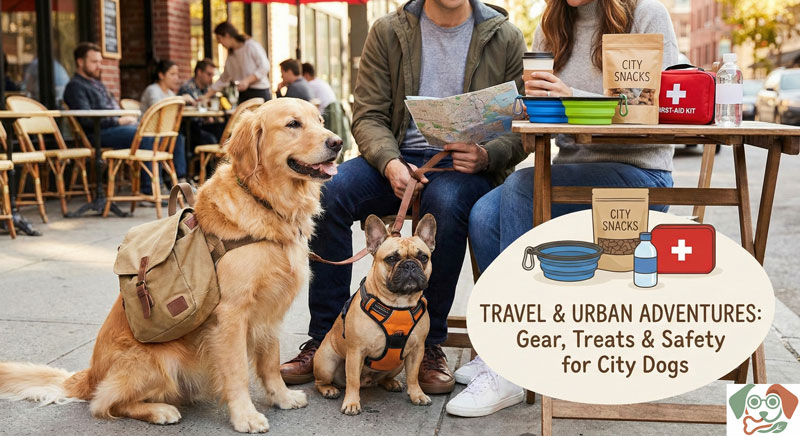
Stroller vs Carrier: Which Reduces Paw Pad Cracks for Small Dogs in Crowds
Meta description: Learn how stroller and carrier options can help prevent Paw Pad cracks for small dogs in crowds. Practical, humane tips for everyday American homes.
Quick Summary
Crowds, hot pavement, and rough surfaces can crack tiny paw pads. For small dogs, a stroller or a carrier can protect paws in busy places like markets, parades, or crowded sidewalks. This guide compares strollers and carriers, explains when each works best, and gives simple steps you can try at home—apartment or suburban—to keep paw pads healthy. Safe, humane, reward-based training helps your dog feel comfortable with whichever option you choose.
Why This Matters for Your Dog
Paw pads can crack from dryness, friction, and exposure to hot or rough surfaces. Cracks can become painful and lead to infections or limping. Crowds add noise, sudden movements, and longer outdoor time, which can stress dogs and raise the risk of pad damage. Small dogs often have thinner pads and more sensitive skin, so a protective routine matters. Using a stroller or a carrier during crowded outings can reduce direct contact with harsh ground, help with temperature control, and keep your dog calm and safe.
Key Factors
- Size, weight, and breed: Make sure the stroller or carrier supports your dog’s size and weight comfortably.
- Pad health and age: Younger dogs often have quick recovery; older dogs may need more frequent breaks.
- Surface conditions: Hot pavement, ice, sand, or gravel increase risk. Test surfaces with your hand first.
- Comfort features: Ventilation, shade, and soft, non-slip interiors matter.
- Training and routine: Reward-based, humane approaches build trust with your gear and routine.
- Home setup: Apartments with small entryways need compact gear; suburban homes may support longer walks and bigger strollers.
- Crate training: A separate calm space at home helps balance time spent in a stroller or carrier.
Step-by-Step What To Do
1) Pick the right tool for your dog and lifestyle
– If your dog vocalizes or pulls in crowds, a stroller can offer a calm, controlled ride while you guide the outing.
– If your dog is comfortable riding but needs less space and quicker transitions, a carrier (soft or hard-shell) can be easier to maneuver and store.
– For apartments with narrow hallways, choose a compact stroller or a carrier that folds flat. In suburban homes with car trips, you might favor a larger stroller for longer outings.
2) Check size and fit
– Measure your dog from the chest to the back and add a little room for a comfortable harness.
– Ensure a secure yet snug fit. Look for a harness attachment inside the carrier or stroller to Prevent slipping.
– Test fit at home: place the dog inside, coax with treats, and watch for signs of discomfort.
3) Introduce gradually (reward-based)
– At home, place the stroller or carrier on the floor. Reward your dog with a treat when they approach.
– Practice opening and closing zippers or doors with your dog nearby, offering praise and small treats.
– Do several short sessions daily for 3–5 days before your first crowded outing.
4) Prepare paw care routines
– Inspect paws before and after outings for cracks, redness, or bleeding.
– Trim nails as needed to Reduce scratching and slipping.
– Use a dog-safe paw balm or oil after walks and outings to keep pads moisturized.
– Clean paws after outdoor time to remove dirt and irritants.
5) Plan the outing around your home environment
– Apartment living: Schedule short, frequent trips to a nearby park or courtyard and return home for rest periods.
– Suburban home: Plan visits to the park or pet-friendly stores with shaded rest areas. Allow for a slow, local route with frequent shade stops.
– Carry a small towel: handy for drying paws if they get wet.
6) During crowds
– Start with mild crowds (a busy park or a grocery line) and watch your dog’s cues.
– If using a stroller: keep the dog comfortably inside, with a sunshade or breathable cover. Stop frequently for small water breaks if allowed.
– If using a carrier: keep the dog close to your body for warmth and security. Use gentle bounces of your steps and calm talking to reduce stress.
– Maintain a steady pace. Avoid rough bumps or sudden stops that could jolt a sensitive paw.
7) Aftercare
– Remove the dog from the stroller or carrier and offer a calm period.
– Provide a small paw check and a quick wipe to remove debris.
– Hydrate with fresh water and offer a quiet, comfortable spot for rest.
Mistakes to Avoid
- Overusing the stroller or carrier without breaks: Your dog still needs rest and exploration to stay happy.
- Choosing a poorly sized or poorly ventilated option: Heat and crowding can become risky.
- Ignoring paw health: Cracks don’t heal quickly in harsh outdoor conditions; address dryness and inspect regularly.
- Forcing participation: If your dog shows strong anxiety, step back and gradually reintroduce the gear at home.
- Using human products: Do not apply human lotions or oils that aren’t dog-safe.
When to Call a Vet or Certified Professional
- If paw cracks are deep, bleed, or show signs of infection (redness, swelling, pus).
- If your dog lopses or limps after outings, or if appetite and energy drop.
- If you notice persistent dryness or if the skin worsens after home care.
- These tips support general care and are not a diagnosis. A vet or veterinary technician can assess wounds, infections, or chronic issues and provide guidance on treatments or preventative plans.
FAQs
- Can I use a stroller for all small dogs? Most small dogs can benefit from a stroller in crowded environments, but it depends on personality, health, and comfort with confinement. Start slowly and reward progress.
- What about an older dog with arthritis? A carrier may be lighter and easier to carry with a supportive harness, but a stroller can also reduce stress on joints during long outings. Always check with your vet for activity limits.
- How often should I groom paw pads? Check paws after each outdoor experience. Clean and moisturize as needed. A vet can suggest a routine if pads are dry or cracked.
- Are paw balms safe for dogs? Look for products labeled dog-safe and avoid scented products that can irritate. Always follow label directions and test on a small area first.
- Can crate training help with crowds? Yes. A calm, familiar crate at home can provide a consistent retreat. Pair crate time with visits to crowded spaces gradually to build positive associations.
Real-Life Home Scenarios
- Apartment life: You have a small hallway to reach the door. A foldable, compact carrier works well for quick trips to a nearby grassy area. Practice at home with treats, then visit a quiet street during off-peak times. After a short, rewarding session, you’ll gradually build tolerance for brief crowded moments.
- Suburban life: You drive to a nearby park with a stroller that has a sunshade. You pack water, a towel, and a paw balm. You walk slowly, offering frequent breaks and a leash-free moment once you’re in a shaded area for your dog to sniff and adjust.
- Vet visits and socialization: Use the carrier for calm vet waits, but keep plenty of rewards for calm behavior. If your dog enjoys the carrier, you can extend their time there to routine visits and safe travel.
Quick Recap
- Crowded outings stress paw pads; a stroller or carrier can help protect them.
- Choose gear based on your dog’s size, temperament, and home layout.
- Introduce gear gradually with rewards; maintain a simple paw care routine.
- Watch for heat, surface hazards, and signs of discomfort.
- When in doubt, consult a veterinarian or certified trainer for tailored advice.
If you’d like, tell me your dog’s size, age, and current comfort level around crowds. I can tailor a specific step-by-step plan for your apartment or suburban needs, including a simple paw care checklist you can print and post near the door.