
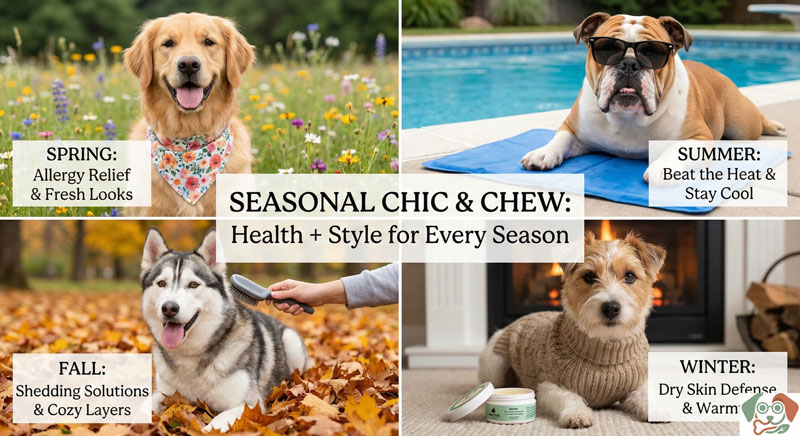
Spring Holiday Style: Outfit checklist that won’t trigger bad breath
Meta description: Quick, beginner-friendly guide for U.S. dog owners to dress up safely this spring—keep breath fresh with simple care tips and humane training.
Quick Summary
- Pick comfy, breathable outfits and use safe accessories. Avoid small parts that could be chewed or swallowed.
- Pair dress-up with oral care: brush teeth, offer Dental Chews, and keep water available.
- Plan short, positive dress-up sessions at home before outings to reduce stress.
- Tailor routines to your home type—apartment or suburban—to support safe walks, crate time, and vet visits.
- If breath issues persist, or you notice dental symptoms, talk with a veterinarian.
Why This Matters for Your Dog
Spring holidays are fun for dogs, but outfits can stress them or hide health issues. Bad Breath (halitosis) often points to dental care needs, diet, or illness. A simple checklist helps you keep your pup comfortable, safe, and clean while you enjoy the season. With beginner-friendly steps, you can shop smart, train kindly, and keep routines familiar—whether you live in a small apartment or a quiet suburb.
Key Factors
- Oral health: daily brushing and regular dental checks matter more than any outfit.
- Diet and treats: limit sugary or starchy items; choose vet-approved dental chews or water additives.
- Hydration: fresh water boosts mouth health and helps combat odors.
- Stress and heat: spring outfits should not trap heat or add stress; ease into wear.
- Outfit safety: no choking hazards, loose parts, or tight bands.
- Grooming: a clean coat and wiped mouth after wearing help reduce odors.
- Environment: apartment routines (elbows, stairs, elevator rides) vs. suburban routines (yard breaks, dog parks) affect how you fit dress-up into the day.
- Training approach: reward-based, humane methods build positive associations with dressing and routines.
Step-by-Step What To Do
1) Choose safe, breathable outfits
– Look for cotton or mesh fabrics. Avoid layers that restrict movement or rub skin.
– Use a harness or a simple collar under the outfit to Prevent choking on stray parts.
– Check for fasteners, bells, or buttons that could be chewed off.
2) Make oral care part of the routine
– Brush teeth daily with dog-safe toothpaste (or as advised by your vet). Start with short sessions.
– Offer dental chews or a veterinarian-approved water additive after meals.
– Keep a water bowl handy during dress-up sessions.
3) Prepare your home and schedule
– Apartment tip: designate a small “dress-up area” away from clutter; keep outfits in an easy-to-reach bin.
– Suburban tip: plan walks and park time around outfit sessions; use crate breaks to reset.
– Pair dress-up with a calm activity, like a quick treat-based puzzle, to keep stress low.
4) Do a quick test run at home
– Put the outfit on for 5–10 minutes first, then gradually extend.
– Watch for signs of discomfort (panting, shaking, lagging, rubbing at the outfit).
– Reward calm behaviors and gentle stepping.
5) Dress up for a safe outing
– Bring water, a small towel, and a poop bag dispenser to reduce stress at parks.
– If any part of the outfit loosens during a walk, take a break and adjust.
6) Aftercare and cleanup
– Remove the outfit, give a short potty break, and brush the coat if needed.
– Wipe the mouth area with a damp cloth if drool is present; inspect for irritation.
– Store the outfit clean and dry to prevent odor buildup.
Note: This guidance is general. If you have health concerns for your dog, consult your veterinarian. Do not use medications or dosages without professional advice.
Mistakes to Avoid
- Overdoing it: long dress-up sessions can stress a dog; keep it short and positive.
- Skipping oral care: breath issues won’t vanish with outfits alone.
- Using scented sprays or unapproved products on the mouth or fur.
- Choosing outfits with small parts that can be chewed or swallowed.
- Ignoring your dog’s signals; pushiness creates fear, not fun.
When to Call a Vet or Certified Professional
- Persistent bad breath despite dental care and a proper diet.
- Red, swollen gums, broken teeth, or signs of pain while chewing.
- Vomiting, loss of appetite, or lethargy alongside breath changes.
- If you notice persistent drool, changes in thirst, or behavioral changes around meals or treats.
- A professional can assess dental health, check for infection, and guide safe dental care.
Safety note: This article offers general advice for healthy dogs. It is not a substitute for professional medical advice. For health concerns, please consult your veterinarian. When in doubt, a veterinary check is the best course of action.
FAQs
- Can outfits cause bad breath? They don’t directly cause it, but stress, poor oral hygiene, and dietary choices can contribute. Keeping sessions short and pairing with brushing helps.
- How often should I brush my dog’s teeth? Daily brushing is ideal; any brushing routine is better than none. Schedule periodic professional cleanings as recommended by your vet.
- My dog hates clothes. How can I help? Start with very short, positive sessions, use treats, and choose soft, loose-fitting outfits. Move at your dog’s pace.
- Are treats okay if I’m dressing up? Yes, but choose dental-friendly treats and avoid sugary items right before wear-time.
- Is there a safe way to freshen breath without chewing? Water additives or vet-approved sprays can help; avoid human mouth products. Always consult your veterinarian before trying new products.
By keeping these steps simple and humane, you can enjoy spring holidays with your dog without compromising breath quality, comfort, or safety.