
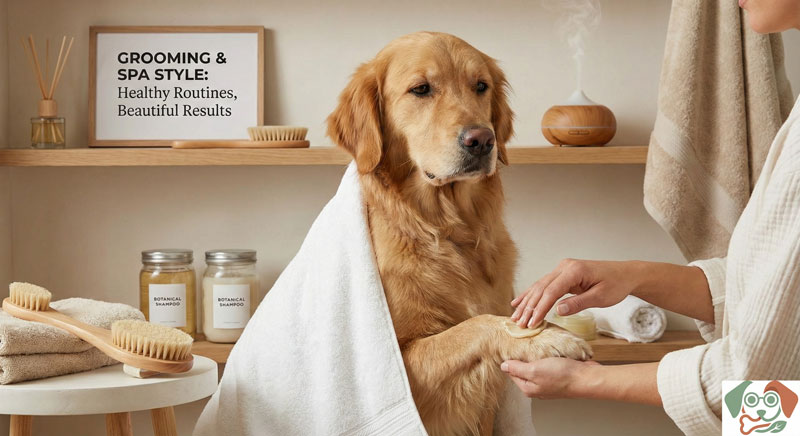
Seasonal Coat change: Reduce hot spots with grooming plus salmon oil support
Meta Description: Seasonal coat change tips to Prevent hot spots with grooming and salmon oil for US dogs. Easy, practical steps for apartment and suburban homes.
Quick Summary
- Seasonal coat changes mean more shedding and more grooming needs.
- Regular brushing plus careful monitoring reduces hot spots.
- Salmon oil supports skin and coat health when added to a balanced diet.
- Simple routines fit apartment living or suburban homes; includes crate training and vet guidance.
Why This Matters for Your Dog
As the seasons shift, your dog’s skin and coat react. Dry air, humidity changes, and new outdoor activities can drying or irritate the skin. Hot spots happen when dogs lick, chew, or scratch a spot until it’s red and inflamed. Gentle grooming, plus a salmon oil boost, helps the coat stay healthy and can cut down on itchiness and discomfort. This approach is beginner-friendly and works in apartments or yards, with small daily habits and simple routines.
Note: This article is for information and guidance, not a diagnosis. If you notice persistent or worsening skin problems, contact your veterinarian for advice.
Common Factors (Key Causes)
- Seasonal shedding and thicker undercoats that trap moisture.
- Dry skin from indoor heating or cold air.
- Friction from harnesses, collars, or worn bedding.
- Allergies to pollen, dust, or cleaning products.
- Moisture in fur after swimming or walking in damp areas.
- Licking or scratching due to irritation, anxiety, or boredom.
Step-by-Step What To Do
Step 1. Create a simple grooming routine
– For apartment living: short, focused sessions work best. Brush 5–10 minutes a day, or 3–4 times a week, with a soft-bristle brush plus a de-shedding tool for thick coats.
– For suburban homes with a yard: enjoy longer grooming sessions on weekends, plus quick daily checks in the morning.
– Tools to have: slicker brush, soft-bristle brush, grooming wipes, nail clippers, and a damp washcloth for paws.
– Check ears, trim nails, and wipe paws after outdoor walks to remove dirt and moisture.
Step 2. Spot-check and shield hotspots
– Do a quick skin scan once per day when you groom. Look for redness, swelling, or hair loss.
– If you find a gentle hotspot early, clean the area with a mild, dog-safe wipe and keep it dry.
– Discourage licking with humane, vet-approved methods if advised. For some dogs, a vet may suggest a cone or alternative barrier; follow your vet’s guidance.
Step 3. Introduce salmon oil safely
– Salmon oil supports skin moisture and a shiny coat. Choose a high-quality product with minimal additives and vitamin E to prevent rancidity.
– Start by adding a small amount and watch for any tummy upset. Increase gradually if your dog tolerates it well, and always follow the product label or your veterinarian’s guidance.
– Store oil per the label’s instructions (some products require refrigeration after opening).
Step 4. Build a practical weekly routine
– Apartment version: 2–3 quick grooming sessions plus daily skin checks; frequent crate breaks or play sessions to burn energy and reduce licking.
– Suburban version: 1 longer grooming session on the weekend plus a midweek check-in; set a consistent feeding and potty routine to ease stress.
– Daily lifestyle ideas: crate time with puzzle toys, short leash walks near parks, and a calm bedtime routine to Reduce anxiety-related itching.
Step 5. Prevent friction and keep bedding clean
– Wash dog blankets and beds every 1–2 weeks during coat change. Dry thoroughly.
– Use soft, breathable fabrics to reduce rubbing on the skin.
– If your dog wears a harness, ensure it fits well and doesn’t rub on the same spots every day.
Step 6. When to seek help
– If a hotspot grows, bleeds, or has pus, or if your dog won’t stop licking, contact your vet.
– Persistent itchiness, hair loss beyond a small area, or a change in appetite or energy warrants a vet check.
Safety note: Do not diagnose or prescribe medications from this post. If you have health concerns, consult a veterinarian. The steps here are supportive and non-diagnostic.
Mistakes to Avoid
- Over-bathing or using human soaps; they can dry the skin.
- Skipping grooming during seasonal changes, letting issues build.
- Ignoring small hotspots—they can grow if not watched.
- Starting salmon oil without verifying quality or contraindications with your vet.
- Waiting too long to seek professional help when problems persist.
When to Call a Vet or Certified Professional
- Hotspots that worsen, ooze, or spread beyond a coin-sized area.
- Redness, swelling, or fever in the skin or paw pads.
- Your dog shows prolonged pain, lethargy, vomiting, or diarrhea after a new supplement.
- You’re unsure about allergy triggers or if your dog has other medical conditions.
Disclaimer: This article provides general information. For health concerns, always consult your veterinarian. If your dog is on medication or has a chronic condition, discuss any new supplement or grooming changes with the vet first.
FAQs
-
Can I use human shampoo on my dog during coat change?
It’s best to use dog-specific shampoo. Human shampoos can disrupt pH balance and irritate skin. -
How do I know if salmon oil is right for my dog?
Look for a reputable brand with clear ingredients and no fillers. Start with a small amount and watch for tummy upset. Check with your vet if your dog has allergies or takes other meds. -
How often should I groom my dog during seasonal changes?
Most dogs benefit from brushing 3–4 times weekly, with a longer grooming session once a week or every other week, depending on coat type. -
Will grooming help with dog park dander and shedding?
Regular brushing helps reduce loose hair and can keep skin healthier, which helps minimize irritation from outdoor exposure. -
What if my dog resists brushing?
Keep sessions short and positive. Use praise, treats, and break tasks into tiny steps. Gradually increase brushing time as your dog becomes more comfortable. -
Is crate training important during coat changes?
Yes. A calm crate routine can reduce stress that sometimes triggers itching or rubbing. Pair crate time with positive rewards and quiet downtime. -
Do I need to see a groomer for a summer-to-fall coat change?
A professional groomer can help with undercoat thinning and trimming. If you’re new to grooming, a professional can demonstrate proper technique for home care.
This practical guide helps you handle the seasonal coat change with grooming and salmon oil support. With small, consistent steps, you can keep hotspots at bay while giving your dog a comfortable, happy routine—whether you live in a cozy apartment or a house with a yard.