
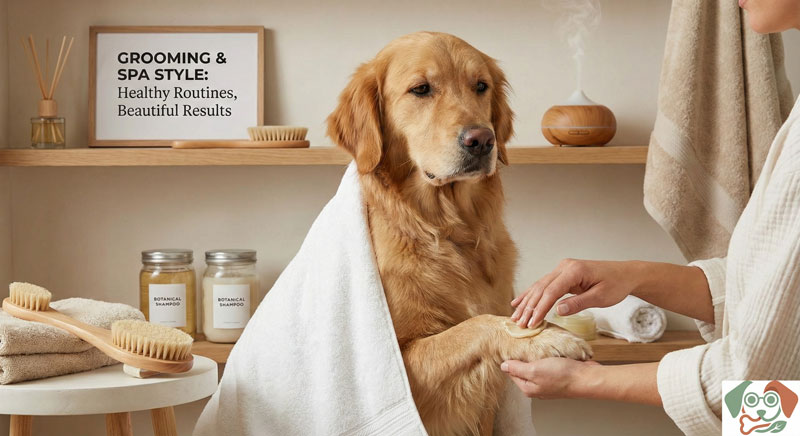
Salon vs Home Grooming: Which Helps Seasonal Allergies More and Keeps the Style Intact
Meta description: Salon vs home grooming for dogs with seasonal allergies—pros, cons, and practical tips to keep coats clean and styles lasting.
Quick Summary
- Both salon and home grooming can help manage seasonal allergies in dogs, but their impact on coat health and style depends on your dog’s coat type, temperament, and routine.
- Salons are great for thorough grooming, bathouts, and expert styling, especially for dogs with heavy shedding or sensitive skin. They can remove pollen and dander more deeply.
- Home grooming offers consistency, reduced exposure to other dogs, and the ability to adapt to your calendar—especially useful for apartments with limited spaces.
- A blended approach often works best: regular home brushing and spot baths, plus occasional professional grooming to maintain style and deep-cleanse.
Why This Matters for Your Dog
Seasonal allergies show up as itchy skin, red paws, frequent licking, and ear irritation. Grooming plays a big role in reducing allergen buildup: pollen clings to fur, dander accumulates, and moisture in the fur can harbor irritants. Proper grooming helps your dog feel more comfortable and keeps styles looking neat through pollen-heavy months. The key is to balance thorough cleaning with gentle handling and smart routines that fit your living situation.
Key Factors
- Coat type and length: Short coats hide allergens differently than long, thick coats. Double coats shed more and may need more brushing.
- Allergy severity: Mild itchiness can respond to routine brushing; more active dermatitis may require veterinary guidance and professional grooming.
- Living environment: An apartment with limited space may benefit from shorter, more frequent home sessions; suburban homes with yards can accommodate longer grooming routines and salon visits as needed.
- Temperament and stress: Some dogs love people and water; others stress in salons. Reward-based, low-stress approaches work best.
- Access to resources: Availability of a trusted local groomer, dog-friendly parks, and a consistent crate setup for home grooming sessions helps.
Step-by-Step What To Do
1) Assess your dog’s needs
– Observe skin, ears, and coat condition daily. Look for red areas, hotspots, or darkened paws from pollen exposure.
– Note how easily your dog gets stressed during grooming sessions and plan accordingly.
2) Decide on the primary approach (salon, home, or mix)
– If your dog tolerates baths well and has a manageable coat, home grooming can do most of the work with some seasonal boosts from a groomer.
– If your dog has heavy coat or sensitive skin, or you’re short on time, a salon visit every 6–8 weeks may help maintain a cleaner coat and better allergen removal.
3) Build a seasonal grooming routine
– Apartment homes: Short, frequent home brushing (every 1–3 days) plus a light bath every 6–8 weeks as needed.
– Suburban homes: Weekly brushing, with a full professional grooming every 6–8 weeks if needed; plan a salon visit around seasonal pollen peaks.
4) Choose a trusted salon (if you go there)
– Ask about hypoallergenic or fragrance-free shampoos, shade-drying options, and whether they separate anxious dogs from other pets.
– Inquire about brushing out the coat thoroughly, ear cleaning, nail trimming, and whether they use air-drying rather than high heat.
5) Set up a home grooming station
– Create a small, calm space with a non-slip mat, a grooming table or sturdy surface, claw clippers, nail file, gentle dog shampoo, conditioner, ear cleaner, towels, a comb, and a soft brush.
– Use a reward-based approach: give treats and praise during and after sessions to build a positive association.
6) Daily/Weekly home care (by coat type)
– Short coats: Brush 2–4 times per week; wipe paws after outdoor walks to remove pollen.
– Medium to long coats: Brush daily or every other day; trim the fur around the paws and sanitary areas to Prevent matting and trap pollen.
7) Bathing guidance (seasonal)
– Bath frequency varies by coat and skin health. For allergies, bathe with a dog-safe, hypoallergenic shampoo every 3–6 weeks as a baseline, but don’t over-bathe—the skin needs its natural oils.
– Thoroughly rinse and dry to prevent dampness that could irritate skin. Consider a conditioner designed for sensitive skin after cleansing.
8) Pollen management at home
– Wipe off paws and lower legs after walks; wipe the coat with a damp cloth to remove surface pollen.
– Wash or replace dog blankets and any bedding weekly during peak pollen times.
– Vacuum and dust regularly; consider air purifiers to Reduce indoor allergens.
9) Real-life scenarios to keep it practical
– Apartment example: A busy single person with a small terrier mix. Brushing every 2–3 days at home, quick wipe-down after outdoor time, one mid-season salon visit to refresh style and deep-cleanse. Crate-time is used to create calm grooming sessions.
– Suburban example: A family with a larger retriever. Weekly brushing, a full grooming every 6–8 weeks, and a crate-trained routine that allows a calm, predictable grooming session. After dog park visits, quick paw wipe and change of bandana to signal “grooming time.”
10) Crate training and routine integration
– Use the crate as a calm space before grooming to reduce stress.
– Short, positive sessions inside the crate with treats help acclimate your dog to handling and grooming gear.
11) Vet visits and allergy checks
– Schedule annual wellness exams and discuss persistent itching, redness, or hair loss with your vet.
– Your vet can help determine if a skin allergy, food allergy, or environmental allergen is at play and guide treatment.
12) Transitioning between salon and home
– Start with small, gradual sessions at home to build trust.
– If you switch to a salon, schedule a trial visit at a low-stress time and bring current grooming notes to help the groomer maintain your dog’s style.
Real-Life Scenarios: Apartment vs Suburban
- Apartment scenario
- Dog: 14-lb terrier mix, short coat, mild seasonal allergies
- Routine: 10–15 minutes of brushing every other day; a quick paw wipe after walks; bath every 6–8 weeks with a fragrance-free shampoo
- Salon plan: 6–8 week professional grooming for coat maintenance and a thorough cleaning during pollen spikes
-
Crate use: Gentle crate training for quiet grooming sessions; crate doubles as a calm space before grooming and a safe place afterwards
-
Suburban scenario
- Dog: 70-lb retriever, long coat, seasonal allergies with occasional hotspots
- Routine: Daily brushing with a wide-toothed comb; weekly brushing plus coat conditioning; bath every 4–6 weeks
- Salon plan: Full grooming every 6–8 weeks with options for deep-cleanning and nail care
- Parks and vet visits: After park days, wipe paws and check for skin irritation; annual vet wellness check
- Crate training: Use the crate as a safe grooming zone, rewarding calm behavior with treats
Mistakes to Avoid
- Over-bathing: Too frequent baths can dry the skin and worsen irritation. Stick to a schedule that suits your dog’s coat and skin health.
- Using human shampoo or scented products: These can irritate a dog’s skin and eyes. Use only dog-safe products.
- Skipping brushing: Uneven coats trap pollen and dander; regular brushing helps reduce allergens on the coat.
- Neglecting ears and nails: Dirty ears and overgrown nails can worsen discomfort and stress during grooming.
- Rushing grooming: Hasty sessions raise stress for your dog and increase the likelihood of accidents.
- Inconsistent routines: Sudden changes in grooming frequency can unsettle dogs and their coats.
When to Call a Vet or Certified Professional
- If you notice persistent itching, red or inflamed skin, hair loss, or ear infections that don’t improve with basic care.
- If you suspect an allergic reaction to shampoo or grooming products or if your dog has a reaction to the environment (e.g., severe pollen exposure).
- If you’re unsure about proper grooming techniques, coat care, or handling your dog’s sensitive areas.
Vet disclaimer: This article provides general guidance only. It is not a substitute for veterinary diagnosis or treatment. If your dog shows persistent signs of allergy or skin irritation, please contact your veterinarian for personalized advice.
FAQs
- Q: Which is better for allergies, salon or home grooming?
-
A: Both can help. Salons provide deep cleansing and professional styling, which can remove more pollen and dander. Home grooming gives you control, consistency, and a lower-stress route for many dogs. A blended approach often works best.
-
Q: How often should I bathe my dog during allergy season?
-
A: It depends on coat type and skin health. Generally every 3–6 weeks is a good starting point, but do not over-bathe. Ask your vet if you’re unsure.
-
Q: Can I use human shampoo on my dog during allergy season?
-
A: No. Human shampoos can irritate a dog’s skin. Use products designed for dogs and tailor to sensitive skin or allergies as advised by your vet.
-
Q: How do I prepare my dog for a salon visit if they’re anxious?
-
A: Start at home with short mock sessions, bring familiar treats, visit during low-traffic hours, and ask the groomer for a gentle, slow approach. Consider a pre-visit exam with the groomer to discuss your dog’s comfort.
-
Q: What about dog parks and allergies?
-
A: After a park visit, wipe down your dog’s coat and paws. Check for signs of irritation, and consider a quick brush to remove pollen before you head indoors.
-
Q: Is crate training necessary for grooming?
-
A: Not strictly necessary, but it helps many dogs stay calm during grooming. Use gradual, reward-based steps to introduce the crate as a safe space.
-
Q: Should I switch between salon and home grooming over the seasons?
- A: Yes. A mix can optimize both cleanliness and consistency while reducing stress. Plan ahead for pollen peaks and schedule appropriate sessions as needed.
This approach keeps your dog’s comfort and style in balance while addressing seasonal allergies. By combining practical home routines with smart, gentle professional care, you can help your dog feel their best through every season. Remember: small, consistent steps—especially in an apartment or a family-friendly home—add up to big improvements in comfort, coat health, and overall happiness for your furry friend.