
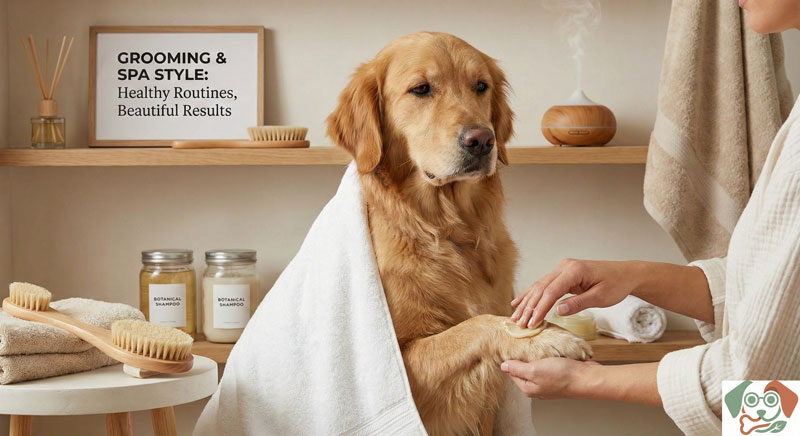
Salon vs home grooming: Which helps itchy ears more and keeps the style intact
Quick Summary
– Both salon and home grooming can help with itchy ears, but they work differently. A pro can fix obvious issues and give a polished look; home care keeps ears clean between visits.
– The best path depends on your dog’s needs, your living situation (apartment vs. suburban), and your daily routine. You can combine both for best results.
– Safe, humane methods matter: avoid deep ear cleaning with inappropriate tools, and use dog-specific products. If in doubt, ask your vet or a certified groomer for guidance.
Why This Matters for Your Dog
Itchy ears are a common problem for many dogs. Left unmanaged, they can lead to more discomfort, frequent head shaking, and ear infections. Grooming isn’t just about looks; regular care helps you spot problems early. A thoughtful approach—whether you visit a salon or groom at home—can reduce itchiness, keep the coat tidy, and make ear checks part of a simple daily routine.
Common Causes (Key Factors)
- Moisture and wax buildup after baths or swims.
- Allergies (food, environmental) that irritate the ears.
- Ear hair growing into the ear canal.
- Ear mites, bacteria, or yeast infections.
- Foreign debris or debris from parks and trails.
- Improper cleaning products or over-cleaning.
Grooming can help by keeping hair away from the ear canal, enabling air flow, and making it easier to notice changes early. It’s not a substitute for medical care when there’s infection or constant itching, but it’s a strong partner in keeping ears healthy.
Step-by-Step What To Do
1) Decide your path: salon, home, or a hybrid
– Salons work well when you want a professional touch, efficient styling, and a routine check of ears by a groomer. If you live in an apartment with a busy schedule, a salon can save you time.
– Home grooming fits a pet-friendly suburban or apartment life when you want to bond with your dog and build quick daily habits. It’s also a good budget option if you’re comfortable with simple tasks.
2) Step-by-step for a Salon Visit
– Before the appointment: note any ear issues (redness, odor, discharge, scratching). Tell the groomer your concerns and ask them to look at the ears during the session.
– Groomer visit: request gentle, dog-safe ear cleaning. Ask to avoid aggressive ear cleaning or deep probing unless a veterinarian recommends it.
– Aftercare: monitor ears for 24–48 hours. If you notice increased redness, swelling, or discharge, call your vet.
– Between visits: maintain gentle at-home checks and a weekly brushing routine to reduce coat matting that can irritate ears.
3) Step-by-step for Home Grooming (Beginner-friendly)
– Set up a calm space: a quiet room, soft mat, treats, and a grooming clipper or brush you’re comfortable using.
– Daily or every-other-day ear check: look for redness, odor, wax buildup, or debris. If you see trouble signs, plan a vet or groomer visit.
– Ear cleaning at home (use dog-safe products only):
– Apply a small amount of dog-specific ear cleaner into the outer ear canal (follow product directions).
– Gently massage the base of the ear to loosen debris.
– Wipe the outer ear and the inside fold with a clean, soft cloth or cotton ball. Do not insert cotton swabs deep into the ear canal.
– Reward your dog with praise and a treat, so it becomes a positive routine.
– Hair around the ears: if your dog has long ear hair, you can trim the hair around the ear opening to improve airflow. If you’re unsure, ask a groomer or vet to show you safe trimming techniques.
– Bathing schedule: in apartments, baths every 4–6 weeks are common; in suburban homes with yards, you might do every 6–8 weeks, depending on coat type and activity. Dry thoroughly to Prevent moisture near the ears.
4) Real-life routines by living situation
– Apartment life: quick daily checks after coming in from walks, short ear cleaning sessions, and a regular but lighter grooming schedule to avoid odor and irritation. Use a compact grooming kit and keep a clear space for calm handling.
– Suburban homes with trails or dog parks: extra ear checks after outdoor adventures; wipe down ears after swimming or muddy walks; schedule a salon visit every 6–12 weeks depending on coat and ear condition.
5) Crate, training, and safety integration
– Crate training helps reduce stress during grooming sessions. Short, positive sessions tend to work best; pair with treats and praise.
– Use a consistent routine: set a specific time weekly for ear checks and grooming tasks to build trust and predictability.
– Safety first: never force your dog to tolerate painful handling. If your dog shows fear or resistance, pause and seek professional guidance.
Mistakes to Avoid
- Using human ear products or cotton swabs deep in the canal.
- Cleaning too aggressively or too often; this can irritate skin and worsen itching.
- Ignoring persistent itching, foul odor, or discharge; seek veterinary advice promptly.
- Trimming ear hair beyond guidance from a professional; over-trimming or improper technique can cause irritation.
- Rushing grooming sessions; take your time and reward calm behavior.
When to Call a Vet or Certified Professional
- If itching lasts more than a few days, or you notice swelling, redness around the ear flap, or a foul odor.
- If there’s brown or yellow discharge, blood, or you see head shaking that doesn’t improve.
- If your dog shows pain during ear touch or yawns or lip-licks excessively.
- If you suspect an allergy, persistent ear infections, or mites.
- If you’ve tried home care for a couple of weeks without improvement, or the dog’s overall health seems affected (appetite changes, energy changes).
Note: This is not medical advice. For any ear concerns, consult your veterinarian for a proper diagnosis and treatment plan.
FAQs
- Do salons fix itchy ears better than home care? Both can help. A salon provides professional cleaning and a trained eye, while home care keeps ears clean daily and lets you monitor changes closely.
- How often should I groom at home? It depends on your dog and living space. Many dogs benefit from a simple weekly ear check and a biweekly or monthly clean, plus brushing to reduce hair around the ears.
- Are ear allergies common? Yes. Food, environmental factors, and seasonal allergens can affect ears. A vet can help identify triggers.
- Should I pluck ear hair? Plucking or trimming ear hair should be done only with professional guidance. Some dogs don’t need hair plucked; others may benefit from careful trimming by a groomer or vet.
- What should I ask a groomer about ears? Ask about their approach to gentle cleaning, whether they clean the ear canal, what products they use, and how they handle signs of problems during a session.
- Are there signs I should worry about right away? If you see sudden swelling, bleeding, or a strong odor, contact your veterinarian quickly.
Vet disclaimer
If you notice signs of infection or ongoing itching, contact your veterinarian for an assessment. This article provides general guidance and is not a substitute for professional medical advice. For any questions about medications or dosages, only a licensed veterinarian can help.
In short, salon and home grooming each offer benefits for itchy ears and style maintenance. A smart plan blends professional expertise with daily, gentle care at home. With clear steps, a warm routine, and kindness toward your dog, you can help your pup stay comfortable, clean, and stylish—whether you live in a cozy apartment or a sunny suburban yard.