
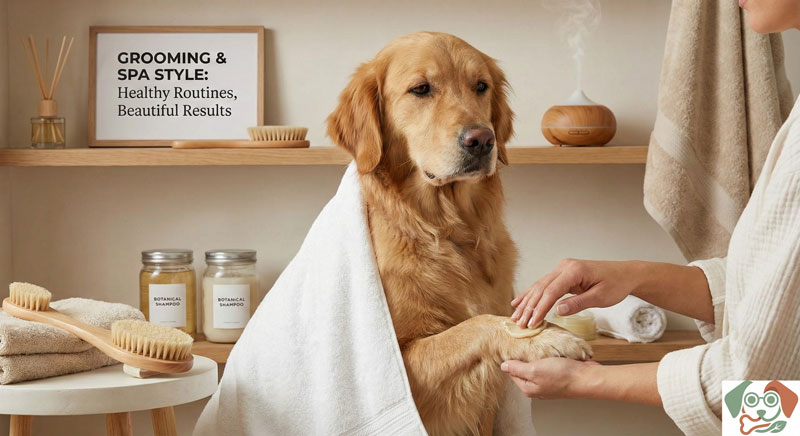
Salon vs home grooming: Which helps dry skin more and keeps the style intact
Meta description: Salon vs home grooming for dry skin—practical, beginner-friendly tips to keep coats healthy and styles neat for American dogs.
Quick Summary
- Both salon and home grooming can help dry skin when you use the right products and routines.
- Salon visits bring professional products and styling, but a careful home routine often does more for ongoing skin moisture.
- For dry skin, focus on gentle cleansers, conditioning, regular brushing, and proper drying, no matter where you groom.
- Tailor routines to your living situation (apartment vs. suburban), your dog’s coat, and your schedule.
- A mix—monthly salon grooming plus a home care routine—often works well.
Why This Matters for Your Dog
Dry skin is common and uncomfortable for dogs. It can cause itching, flaking, and dull fur. A good grooming plan helps moisture stay in the coat and keeps the style neat. For some dogs, salon visits offer a reliable reset with professional-grade products and thorough grooming. For others, home grooming gives you daily control, reduces stress, and lets you tailor care to your dog’s needs. Either path should be kind, gradual, and reward-based so grooming feels safe and pleasant.
Living space matters. In an apartment, you may face limited space and shared areas, so quick, calm sessions with easy cleanup work best. in a suburban home, you might have a garage or yard for baths and air-drying. Crate training can help your dog feel secure during grooming days, whether at the salon or at home. Regular vet check-ins and a steady routine support skin health along the way.
Key Factors
- Skin health basics: mild, dog-specific shampoos; avoid human products; gentle rinsing; conditioning after cleansing.
- Product choice: look for ingredients that support moisture (dewaxing, omega fatty acids in the coat; hypoallergenic options if needed).
- Brushing: daily or every few days helps distribute natural oils and remove loose fur; choose tools suited to coat type.
- Bath frequency: too many baths strip natural oils; too few can leave dirt accumulating. Balance it with coat needs and activity level.
- Drying: thorough drying reduces dampness where moisture can irritate skin; use a cool to warm setting and a soft towel plus a low-heat dryer at a safe distance.
- Stress management: calm handling, treats, and praise help your dog tolerate grooming, especially during transitions between home and salon.
- Environment: dry indoor air can worsen dryness; consider a humidifier in winter and consistent cleaning of grooming areas to avoid irritants.
- Veterinary guidance: if dry skin is persistent, if you see redness, Hot Spots, or hair loss, consult a vet for a gentle plan.
Step-by-Step What To Do
A. If you choose salon grooming
1) Pick the right salon. Ask about handling, products, and drying methods. Look for staff training in canine dermatology and humane handling.
2) Prep your dog. Short, positive practice sessions with brushing and a quick handling routine help your dog feel comfortable. Bring familiar treats and a favorite toy for stress reduction.
3) Before the appointment. Bathe with a mild, dog-safe shampoo at home if your dog tolerates it, and brush out tangles. Bring any skin concerns to the groomer’s attention.
4) In the salon. Expect a gentle wash, cleanse, rinse, and conditioner. Ask about air-dry or towel-dry options. A professional dryer set to low heat is common; confirm distance and duration to avoid overheating.
5) Aftercare. Hydrate skin with a conditioner or leave-in spray suitable for dogs. Schedule a regular home routine for the days between visits.
6) Routine alignment. If you’re apartment-based, ask for shorter sessions with frequent, predictable visits. If you’re suburban, you might coordinate larger styling sessions monthly or every 6–8 weeks, depending on coat growth.
7) Reward-based routine. Use treats and praise to reward calm behavior during and after grooming.
B. If you choose home grooming
1) Gather the basics. A gentle, dog-safe shampoo, conditioner, a few grooming tools (brush, comb, de-shedding tool if needed), towels, a safe blow-dryer or a fan, and a non-slip surface.
2) Create a calm space. Use a routine that includes a crate or a quiet corner, soft music, and a leash or tether to help your dog feel secure.
3) Brush first. Brush against the grain to remove loose fur and reduce tangles. For dry skin, brushing helps distribute natural oils and may improve moisture distribution.
4) Bathe with care. Use lukewarm water and a mild, dog-friendly shampoo. Avoid over-washing—two baths a month or as needed is common for many dogs. Rinse thoroughly to Prevent residue that could irritate skin.
5) Condition and rinse. A lightweight, dog-safe conditioner can help seal moisture. Rinse well to avoid buildup.
6) Dry properly. Towel-dry first, then use a low-heat dryer held at least 6–8 inches away. Keep moving the dryer to avoid hotspots. Let fur air-dry for as long as possible after a quick gentle dry.
7) Brush again as it dries. This reduces matting and helps distribute moisture evenly.
8) Crate and treat. If you’re trying crate training, incorporate grooming time as a positive, reward-filled experience (treats after calm handling).
9) Schedule and routine. Create a weekly or biweekly home grooming plan tailored to your dog’s coat and activity. For apartment dogs, keep sessions short and consistent. For suburban dogs, you can combine baths with outdoor washing if weather allows, and always ensure a clean, safe drying area.
10) Integrate skin care. Use recommended dog moisturizers or leave-in sprays if your dog’s skin is dry, but avoid products not meant for dogs.
C. Between salon and home
– Consider a hybrid approach: a salon visit every 4–8 weeks for trims and professional finish, with a strong at-home care routine in between.
– Monitor skin. Keep an eye on dryness, redness, flakes, or itching. Document changes and discuss with your vet if needed.
Mistakes to Avoid
- Over-washing or using human shampoo. This disrupts natural oils and can worsen dryness.
- Using hot water or a high-heat dryer directly on skin. Burns and irritation can worsen dryness.
- Skipping brushing. A dry coat is more prone to tangles and skin irritation.
- Rushing drying. Damp fur can breed bacteria and lead to hotspots.
- Ignoring ears, teeth, and nails during grooming. Skin health is broader than fur; ignore these areas at your own risk.
- Neglecting indoor air quality. Dry air in winter can make skin worse—consider a humidifier.
- Pushing a dog beyond comfort. Use gradual exposure and reward-based training; stop if your dog shows stress signals.
When to Call a Vet or Certified Professional
- Persistent dry skin with itching, redness, or hair loss.
- Red, inflamed patches or obvious hotspots.
- Unusual odors or sores.
- Recurrent ear infections or unusual shedding patterns.
- If you’re unsure about products or if your dog has a medical condition.
Vet disclaimer: This article provides general information. If your dog has persistent skin problems or you’re worried, consult a veterinarian for a gentle, personalized plan. Avoid giving dosage or treatment suggestions without professional guidance.
FAQs
Q: Will salon grooming help dry skin more than home care?
A: It can help with coat appearance and may use moisturizing products, but consistent at-home care with the right products often has the biggest impact on ongoing dryness. A balanced plan can combine both.
Q: How often should I bathe a dog with dry skin?
A: It depends on coat, activity, and environment. Many dogs do well with every 4–6 weeks, plus spot-cleaning as needed. Use a mild, dog-specific shampoo and follow with conditioner.
Q: What tools are best for dry skin?
A: A gentle brush suited to your dog’s coat, a comb for tangles, a low-heat dryer or good air-drying setup, and a light conditioner designed for dogs. Avoid metal brushes that tug at skin if the coat is sensitive.
Q: Are dryers dangerous for dogs?
A: They’re safe when used on a cool to warm setting and kept at a safe distance. Never blast hot air directly onto skin. Monitor your dog for signs of stress or overheating.
Q: Can I groom my dog at home if it’s a small or very large breed?
A: Yes. Start with short sessions and calm handling. For large or high-energy dogs, consider help from a friend or a professional for the scary parts, like hard-to-reach areas. Always use humane, reward-based methods and take breaks as needed.
Q: How do I talk to my vet about grooming and dry skin?
A: Bring notes about shampoo types, grooming frequency, and any changes in skin or coat. Ask about safe products for your dog’s skin condition and if supplements are appropriate.
Final Thoughts
Choosing between salon and home grooming for dry skin and style comes down to your dog’s needs, your space, and what you can sustain with kindness and consistency. For many dogs, a blended approach works best: a professional touch for trims and expert care, plus a calm, regular at-home routine that keeps skin moisturized and fur looking neat. Prioritize gentle products, patient handling, and rewards, and you’ll help your dog feel good every day.
Remember: if skin problems persist, reach out to a veterinarian. This advice should not replace professional medical guidance. With thoughtful routines, you can keep your dog comfortable, stylish, and healthy—whether you shop for salon services or tailor your at-home grooming to your apartment or your suburban backyard.