
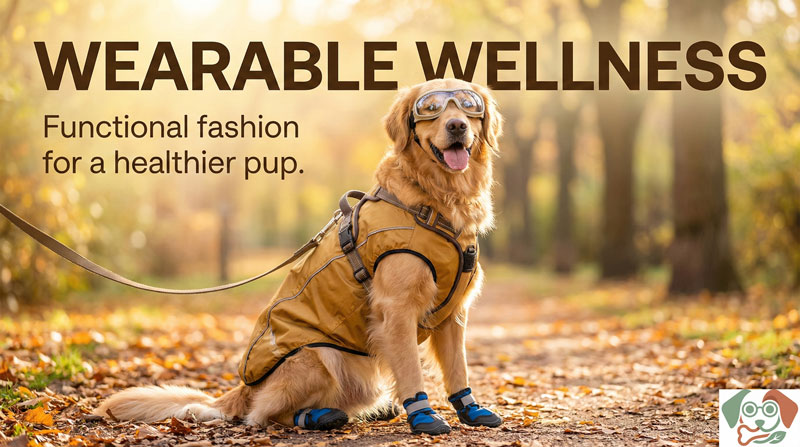
Meta description: Protect your dog’s skin with a recovery suit that reduces dryness and stays cute. Simple fit, care, and routine Tips for busy U.S. homes.
Quick Summary
- A recovery suit can shield irritated skin and reduce licking or scratching, helping dry skin heal.
- Choose breathable fabric, precise measurements, and a snug but comfy fit.
- Fit, wash routines, and pairing with daily life (apartment vs. suburban homes) matter.
- Use humane, reward-based training to help your dog accept the suit.
- Know when to contact a vet for skin concerns or persistent dryness.
Why This Matters for Your Dog
Dry skin and irritated skin are common in many dogs, especially in dry indoor air or during seasonal changes. A recovery suit adds a breathable barrier over sensitive skin and can prevent self-trauma from licking or scratching. It also levels up cuteness without sacrificing comfort, which can help you and your dog feel calm and confident at home, at the park, or on the way to a vet visit. The goal is gentle protection that supports healing while keeping daily routines stable.
Key Factors
- Skin health: Dry patches, hotspots, or allergies need careful management—a recovery suit is one tool, not a replacement for medical care.
- Comfort and fit: A well-fitting suit allows movement, bathroom breaks, and play without rubbing or overheating.
- Environment: Apartments with dry heat or fans, and homes with carpet versus laminate, can affect skin moisture and cleanliness.
- Routine: Regular brushing, gentle baths, and crate training routines support overall skin health and reduce stress.
- Training approach: Reward-based, calm exposure helps your dog accept the suit without fear or frustration.
Step-by-Step What To Do
1) Pick the right recovery suit
– Look for breathable, soft fabrics (mesh or cotton blends are common). Avoid stiff, abrasive materials.
– Check size charts carefully. Measure neck, chest girth, and back length. If between sizes, choose the larger for movement and snug cuffs if available.
– Features to consider: adjustable closures, seamless seams, leg holes that don’t rub, and easy on/off zippers or Velcro.
– For sensitive dogs, choose dye-free or hypoallergenic fabrics.
2) Fit it correctly at home
– Measure your dog: neck circumference, widest chest, and length from neck to tail base.
– Try on in a quiet room. Fasten securely but not tight—two fingers should fit between skin and fabric.
– Check movement: walk, stand, and sit. If rubbing occurs in one spot, adjust the seams or size.
– Check for overheating: the suit should not trap heat in warm rooms. If your dog pants heavily, remove the suit and wait for a cooler time.
3) Introduce with positive reward
– Start with short sessions: 5–10 minutes while you offer treats and praise.
– Gradually extend wear time as your dog stays calm.
– Use a favorite toy or a short leash during initial wears to create positive associations.
4) Integrate into daily routines (apartment or suburban)
– Apartment life: wear during high-traffic times (morning potty, after brushing, when guests are over). Use a rug or bed to cue resting and avoid chasing or jumping while wearing it.
– Suburban homes: you can wear the suit for backyard time to Prevent scratching on outdoor furniture or bushes, especially after baths or in pollen-heavy seasons.
– Crate training: place the suit around a comfortable crate area so your dog can relax there without anxiety.
– Vet and grooming trips: bring the suit to protect irritated skin during travel or waiting rooms.
5) Skin care and grooming
– Bathe with a mild dog shampoo as advised by your vet; rinse thoroughly.
– Pat dry gently with a soft towel. Avoid heat-heavy blow-drying unless vet guidance allows.
– If your vet approves, apply vet-recommended moisturizers or barrier balms on dry patches before putting the suit on, ensuring products are pet-safe.
– Maintain a routine: regular brushing to distribute natural oils and remove loose fur.
6) Maintenance and care of the suit
– Wash after each wear or a few wears, depending on moisture and dirt.
– Use a mild detergent, no fabric softeners, and air-dry fully before reuse.
– Inspect seams and closures weekly for wear. Repair or replace as needed to avoid fit issues.
7) When to pause the suit
– If your dog shows increased stress, coughing, or breathing changes, remove the suit and consult your vet.
– If you see skin redness, sores, or signs of infection, stop using the suit and seek veterinary advice promptly.
Mistakes to Avoid
- Don’t choose a size that’s too tight or too loose; both can cause rubbing or escapes.
- Don’t leave the suit on during meals or heavy play if it restricts movement.
- Don’t assume the suit cures skin disease; it is a protective aid, not a substitute for treatment.
- Don’t apply human moisturizers or oils without vet approval; some ingredients can irritate pets.
- Don’t rely on the suit alone for allergy management; identify triggers with your vet.
When to Call a Vet or Certified Professional
- Signs of infection: redness, swelling, warmth, or oozing skin.
- Prolonged itchiness or persistent hotspots despite use of the suit.
- Skin changes after starting new foods or environmental changes.
- Behavioral changes such as refusal to move or significant anxiety when wearing the suit.
- If you’re unsure how to care for dry skin, allergies, or a suspected skin condition, contact your veterinarian or a licensed veterinary technician for guidance. This product is a tool, not a diagnosis or treatment.
Vet disclaimer: This blog provides general care tips. Do not diagnose or treat medical conditions. For any skin concerns, consult your veterinarian before starting new products or routines.
FAQs
- Can my dog wear a recovery suit all day?
Yes, for many dogs. Start with shorter periods and increase gradually while monitoring comfort. Use breaks for potty, play, and hydration. - How do I clean the suit?
Machine wash on cold with a mild detergent; air-dry completely before next wear. - Will the suit replace grooming?
No. It protects skin and aids healing, but ongoing grooming, baths, and vet care are still needed. - Is it safe for dogs with seizures or mobility issues?
Check with your vet first. Choose a snug, properly fitted suit and supervise during wear. - How do I choose between apartment and suburban routines?
For apartments, focus on short, calm wear times and indoor potty routines. For suburban homes, use the suit during outdoor transitions, park visits, and car rides as needed—always with supervision.
In short, a well-chosen recovery suit can protect sensitive skin, reduce irritation, and keep your pup looking cute while you both navigate daily life. Pair it with consistent grooming, hydration, and vet-guided skin care, and your dog can enjoy more comfort and confidence—at home, on Walks, and beyond.