
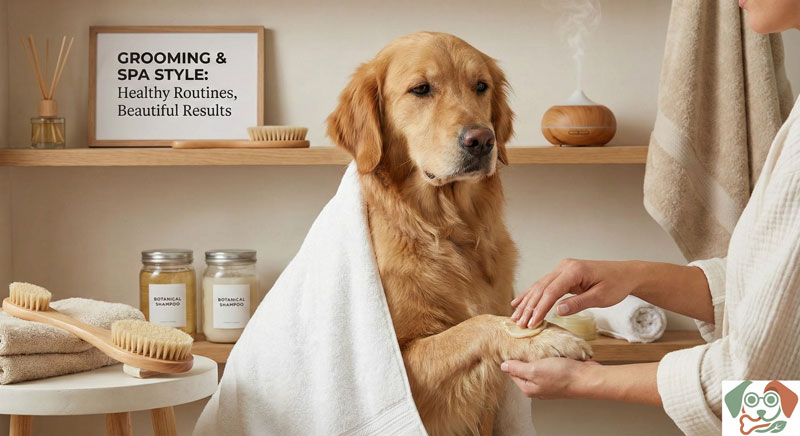
Post-grooming itch: Outfit and nutrition fixes for reactivity
Meta description: Post-grooming itch and reactivity tips for dogs—calming outfits, Diet Tweaks, and humane training for everyday American homes.
Quick Summary
- Some dogs scratch, lick, or yelp after grooming, which can spike reactivity.
- A soft calming outfit (like an anxiety vest or comfy tee) can reduce arousal and scratching.
- Small nutrition fixes, especially omega-3 fats and balanced meals, support skin health and mood.
- Pair outfit and diet changes with gentle, reward-based training to ease post-grooming reactivity.
- If symptoms persist, consult your vet or a certified trainer for tailored guidance.
Why This Matters for Your Dog
A groom can be both a spa day and a stressor. When itchiness hits after grooming, your dog may become reactive—snapping at your hand, barking at the hallway, or avoiding touch. That’s not a failure of your dog; it’s a signal that skin comfort and emotions matter. By addressing skin irritation and arousal, you can help your dog feel safer, calmer, and more relaxed during daily routines—whether you live in an apartment, a cozy townhouse, or a suburban home with a yard.
Key Factors
- Grooming products: scented shampoos or conditioners can irritate sensitive skin.
- Skin health: dry skin, allergies, or dermatitis can show up as itching after grooming.
- Temperature and dryness: damp fur or over-drying can irritate skin and increase scratching.
- Reactivity drivers: anxiety about grooming, new smells, or past grooming experiences.
- Outfit choice: a snug, breathable calming vest or soft shirt can reduce movement and self-grooming.
- Nutrition: omega-3 fatty acids and a balanced diet support skin health and mood.
- Routine factors: predictable schedules and quiet spaces help dogs recover after grooming.
- Training: gentle desensitization to grooming cues reduces reactivity over time.
Step-by-Step What To Do
1) Check and adjust the grooming routine
– Use fragrance-free, hypoallergenic shampoo and conditioner designed for dogs.
– Patch test any new product on a small area 24–48 hours before full grooming.
– Rinse thoroughly to remove all soap residue, which can irritate skin.
– Limit baths to the needs of the coat and lifestyle (apartment dogs may need less frequent baths; suburban dogs with active outdoor time may need more frequent but gentle cleansing).
– After grooming, dry the coat well with a towel and, if your dog tolerates it, use a low-heat dryer on a gentle setting from a distance.
2) Introduce a calming outfit
– Choose a breathable, soft outfit like an anxiety vest or a breathable dog shirt. It should fit snugly but not restrict movement or breathing.
– Fit: two fingers should slide under the garment at the chest and neck to avoid pinching.
– Use the outfit during and after grooming sessions for 10–20 minutes at a time, gradually increasing as your dog stays calm.
– In apartments, put the dog in a quiet room with the outfit on after grooming, paired with a favorite chew or treat.
– In suburban homes, you can use the outfit during car rides to the groomer or at home during post-grooming wind-down.
3) Make nutrition a friend to skin and mood
– Start with a high-quality diet appropriate for your dog’s size and life stage (check with your vet if you’re unsure).
– Add omega-3 fatty acids (EPA/DHA) from fish oil or a vet-approved supplement to support skin health and calmness. Do not adjust dosage on your own; consult your vet for the right amount.
– Include sources of omega-3s in meals when possible: fatty fish (salmon, sardines) or fortified foods as advised by your vet.
– Hydration matters: ensure fresh water is available at all times; dehydrated skin can itch more.
– If your dog has known food allergies, work with your vet to choose a limited-ingredient or hypoallergenic diet under professional guidance.
– Probiotics may help gut health, which can influence overall mood and itch, but discuss any supplement plan with your vet.
4) Pair calm routines with gentle training
– Immediately after grooming, use a calm cue like “settle” or “mat” and reward with small treats.
– Short, reward-based desensitization: touch grooming areas (body, ears, paws) for a second, then immediately reward. Gradually lengthen the touch time as your dog stays relaxed.
– Create a consistent post-grooming routine: quiet space, outfit on, a brief walk if your dog enjoys it, or a short play session that ends with a calm settle in the crate or mat.
– Avoid punishment. Use praise and tasty rewards to reinforce calm behavior.
5) Environment and daily routine tweaks
– Apartment living: designate a grooming recovery spot (a crate or mat in a low-traffic corner) and keep it consistent.
– Suburban homes: after grooming, give your dog time to decompress in the backyard or a quiet room before interacting with kids or visiting guests.
– Plan grooming on days with lighter evening activities to avoid overstimulation.
– If your dog enjoys dog parks, save social visits after a grooming session only when your dog is calm and ready, not during the peak itchiness window.
6) Safety checks and when to seek help
– If you notice redness, swelling, open sores, or a new rash after grooming, contact your veterinarian promptly.
– If itchiness lasts more than a week after grooming or is spreading, schedule a check-up to rule out dermatitis or allergy.
– If reactivity escalates or you see aggression during or after handling, seek a certified trainer or veterinary behaviorist for humane guidance.
7) Practical home scenarios
– Apartment example: After a grooming session, your dog is in a quiet corner with a calming vest on, a chew, and a dish of water. You do a 5-minute settle routine, then a 3-minute gentle touch desensitization around the neck and ears, followed by a brief, low-activity playtime.
– Suburban example: Post-grooming involves a short 10-minute leash-free time in a secure yard, then crate time with the outfit on, while you prepare a simple omega-3 enriched meal for later that day, ending with a calm “settle” cue and treats.
Mistakes to Avoid
- Overusing scented products or strong fragrances that can irritate skin.
- Skipping a patch test before trying new grooming products.
- Daily baths or over-bathing, which can dry skin and worsen itch.
- Punishing your dog for reactivity instead of teaching calm responses.
- Ignoring itch signals or assuming behavior is “benign” without consulting a professional when signs persist.
- Waiting too long to involve a vet if skin or mood changes are noticeable.
When to Call a Vet or Certified Professional
- Redness, swelling, or open sores appear after grooming.
- Your dog shows persistent itching beyond a week, or the skin changes worsen.
- Reactivity intensifies or leads to aggression, safety concerns, or avoidance behavior.
- You want guidance on a tailored diet plan or a veterinarian or veterinary behaviorist to design a plan for your dog’s specific needs.
- You’re unsure about patch testing products or choosing a suitable calming outfit for your dog.
Note: This article provides practical information and is not a substitute for professional veterinary advice. For health topics, consult your veterinarian before changing diets or supplements, and for training, seek guidance from certified professionals who use humane, reward-based methods.
FAQs
- Do outfits really help reduce itch and reactivity?
-
A calming outfit can help reduce the urge to scratch and lower overall arousal during and after grooming. It’s a supportive tool, not a cure. Use it with a calming routine and good grooming products.
-
Can I fix post-grooming itch with human food?
-
Some dog-friendly foods can contribute to skin health, but human foods can harm dogs if given inappropriately. Stick to veterinary-approved diet changes and supplements rather than trial-and-error human foods.
-
How long before I see improvements?
-
You may notice calmer behavior within days to a couple of weeks of consistent routines, proper grooming products, and appropriate nutrition. Skin improvements can take several weeks.
-
Should I bathe my dog as soon as itching starts?
-
Generally, avoid frequent baths. Use a gentle, vet-approved product and keep baths to what’s necessary for your dog’s coat and skin. If itching is severe, seek veterinary guidance.
-
Is there a risk with omega-3 supplements?
-
Omega-3s are generally safe when used as directed. Always check with your veterinarian for the right product and dose for your dog’s age, size, and health.
-
What if my dog is crate-trained but hates grooming?
-
Start with very short, positive grooming experiences away from the crate, progress to brief crate time after grooming, and pair grooming with treats and praise to build positive associations.
-
Can I do this myself at home, or do I need a professional?
- Many steps are beginner-friendly: patch testing shampoos, using a calming outfit, and adding a vet-approved omega-3 plan can be done at home. For persistent skin issues or reactivity, consult a veterinarian or a certified trainer for personalized guidance.
If you’d like, I can tailor these steps to your dog’s coat type, age, and living situation. Tell me: apartment or single-family home? What kind of grooming products do you currently use? Is your dog reactive to touch, or mainly to grooming rituals?