
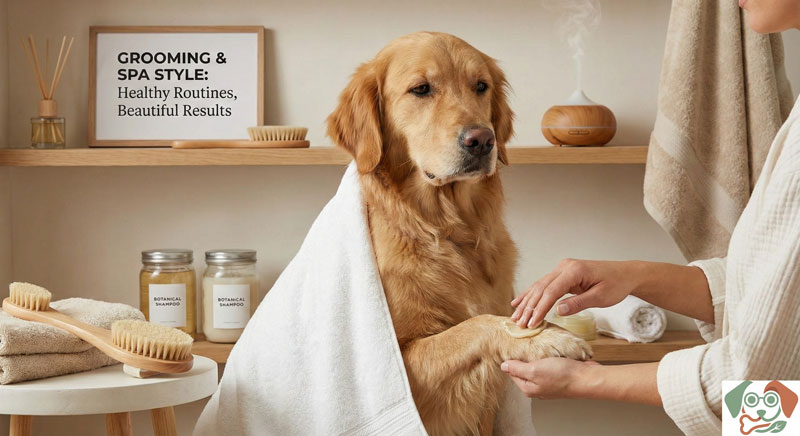
Post-grooming itch: Outfit and nutrition fixes for obesity
Meta description: Post-grooming itch? Outfit ideas and weight-friendly nutrition tips to help your dog feel comfy and stay healthier.
Quick Summary
- Itch after grooming can come from skin irritation, dry skin, or obesity-related folds rubbing.
- A soft outfit (like a breathable dog shirt) can protect irritated areas while you work on a healthier weight.
- Simple, steady changes in portion size, meal timing, and safe activity can support weight loss.
- Pair grooming aftercare with a calm routine at home, apartment or suburban, crate training, and regular vet checks.
Why This Matters for Your Dog
Obesity puts extra stress on joints, skin, and overall mobility. Grooming products or long fur can trap moisture or rubbing, leading to itchiness. When your dog is overweight, even small irritations can feel bigger, so addressing both itch and weight helps your dog feel more comfortable, move easier, and enjoy daily activities like walks to the dog park or trips to the crate for rest after play.
Common Causes (Key Factors)
- Post-grooming skin irritation from fragrances or shampoos, especially if your dog has sensitive skin.
- Excess weight causing folds or friction in skin areas, leading to itching or dermatitis.
- Dry skin from grooming or seasonal changes.
- Allergies or skin infections that need a vet check.
- Rough transitions: sudden changes in routine or exercise can trigger discomfort.
Step-by-Step What To Do
1) Assess and set a gentle baseline
– Feel for ribs without pressing hard; you should be able to feel them with a light touch.
– Check your dog’s waist and overall shape. If your dog is clearly overweight, plan a gradual weight-loss goal with your vet.
2) Outfit options that support comfort
– Soft cotton or lightweight knit dog shirts can cover itchy areas after grooming, reducing scratches and sun exposure.
– Choose a size that fits snugly but not tight, and make sure there’s no restriction to breathing, movement, or bathroom breaks.
– In warm weather, opt for breathable fabrics; in cooler weather, a light layer can prevent chill after a bath.
– If your dog develops hotspots from rubbing, discuss with your vet whether a protective garment is appropriate.
– Note: Clothing should never substitute gentle grooming care or veterinary treatment. Use outfits as a comfort aid, not a cure.
3) Grooming aftercare that supports skin health
– Rinse thoroughly with lukewarm water to remove residual shampoo.
– Use fragrance-free, hypoallergenic grooming products if your dog has sensitive skin.
– Dry the fur and skin completely to Prevent dampness that can irritate skin folds.
– If itching persists after grooming, ask your groomer or vet about a gentle skin-care routine.
4) Nutrition: steady steps toward a healthy weight
– Talk with your vet to set a target weight and a realistic plan.
– Start portion control: measure meals and avoid free feeding. A common approach is to Reduce daily calories gradually (for example, typical plans reduce 5–15% to start, depending on the dog).
– Choose a high-quality, veterinarian-recommended weight-management formula if advised by your vet.
– Schedule meals at the same times each day and limit high-calorie treats. Use low-calorie, dog-safe snacks (like baby carrots or crunchy vegetables in moderation) if approved by your vet.
– Consider locked-in portion changes for weekends when routines may shift; consistency helps with weight loss.
– Hydration matters: fresh water should always be available.
5) Exercise and daily routines that fit two settings
– Apartment: short, frequent play sessions and leash walks around the building; use stairs or hallway games to burn energy.
– Suburban home: longer daily walks, a trip to the dog park when your dog is ready, and safe fetch in a yard if available.
– Crate training can help with rest after activity and prevent overeating during downtime. Use the crate as a safe space rather than punishment.
– Add gentle, low-impact activities to protect joints: slow walks, puzzle feeders, or indoor nose-work games.
6) Monitor progress and adjust
– Weigh your dog weekly or every other week as recommended by your vet.
– Track body condition and adjust portions or activity levels gradually.
– If itching improves after a weight-friendly plan and a gentle post-grooming routine, that’s a good sign your approach is helping.
Mistakes to Avoid
- Drastic diet changes or skipping meals to “lose weight faster.”
- Relying on outfits alone without addressing calories and activity.
- Giving human food or high-calorie treats; even “healthy” human foods can add up.
- Overlooking grooming product sensitivities—switch to fragrance-free products if needed.
- Pushing your dog too hard in exercise; start slow and build up.
When to Call a Vet or Certified Professional
- Itching persists beyond a week after grooming or worsens.
- Redness, swelling, oozing, or warmth around the skin.
- Sudden weight gain or difficulty losing weight despite a plan.
- Lethargy, pain, or reluctance to move after activity.
- Any new lumps, changes in appetite, or signs of illness.
Vet disclaimer: This article is informational and not medical advice. If itching is severe, persistent, or you notice redness, swelling, fever, or your dog seems unwell, please contact your veterinarian for an evaluation.
FAQs
- Can I use home remedies for itching? Stick to veterinarian-approved advice and avoid human products on your dog’s skin. A gentle rinse with plain water or mild, fragrance-free products may help, but check with your vet first.
- Will clothing alone help with obesity? Clothing can offer comfort or protection but isn’t a substitute for portion control and regular exercise. Combine outfits with a weight-management plan recommended by your vet.
- How should I introduce a weight-management diet? Start with small, steady changes in portions, and transition over 7–10 days if the vet approves. Monitor appetite and energy, adjusting as needed.
If you need more tailored guidance, consider scheduling a quick check-in with your veterinarian or a certified dog-nutrition professional. Your supportive, consistent routine—outfits as comfort, meals that fit your dog’s needs, and regular activity—can make a real difference in how your dog feels after grooming and every day.