
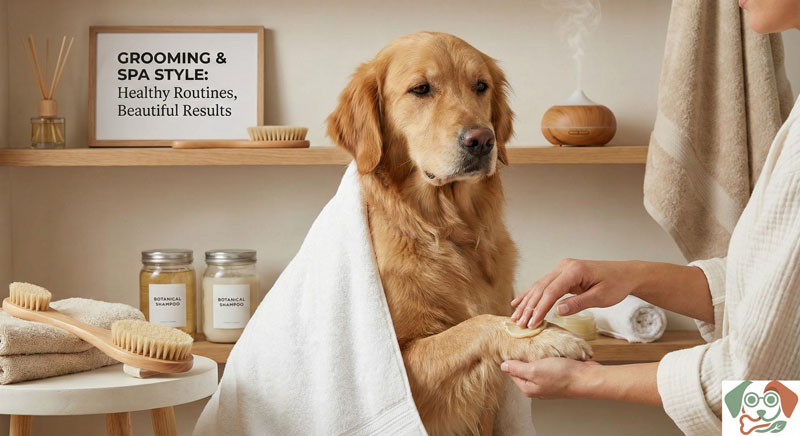
Post-grooming Itch: Outfit and Nutrition Fixes for Dehydration
Quick Summary
- Dehydration after grooming can trigger itchiness.
- Hydration matters: offer fresh water, small sips often, and moisture-rich foods.
- An airy, soft outfit can protect sensitive skin and reduce rubbing.
- Use gentle, fragrance-free grooming products and rinse thoroughly.
- Build a simple post-grooming routine you can repeat at home, apartment or suburban.
- If symptoms persist, consult your vet.
Why This Matters for Your Dog
Grooming is a great routine for coat health, but it can leave your dog a bit sensitive. Dry air, shampoo residues, and stress can all contribute to itchiness and dehydration after a bath. When a dog is dehydrated, skin and gums feel dry, panting increases, and itching may flare up. Keeping hydration steady and supporting the skin with gentle care can help your dog feel calm and comfortable again. This approach works well for busy apartment life, a cozy suburban yard, or frequent trips to the dog park.
Common Causes (Key Factors)
- Shampoo residue and drying air after a bath.
- Reduced water intake during or after grooming.
- Stress from the grooming experience, leading to panting and fluid loss.
- Dry skin from harsh products or over-bathing.
- Temperature changes (cool rooms in apartments or drafty areas in cars).
Step-by-Step What To Do
1) Check hydration and mood after grooming
– Look for signs like moist gums, bright eyes, and a relaxed demeanor. If gums feel very dry or sticky, or your dog is lethargic, seek veterinary guidance.
– In apartments, keep the dog in a comfortable, draft-free room with access to water. In a suburban home, place a bowl near the crate or bed for easy sipping.
2) Rehydrate safely
– Offer fresh water in a spill-proof bowl. Encourage small sips every 15–30 minutes rather than forcing large gulps.
– If your veterinarian approves, you can offer a dog-safe broth (no onions, garlic, or high-sodium sauces) in small amounts to increase fluids. Do not rely on human beverages.
– For dogs who don’t drink easily, you can splash a little water on their lips or use a syringe with the rubber tip to let them lick it slowly. This should be gentle and never forceful.
3) Boost moisture through food (without changing core diet abruptly)
– Add moisture to meals: mix dry kibble with a bit of water or plain, low-sodium broth to soften it.
– Include moisture-rich foods in moderation: canned dog food or high-moisture treats can help (check labels, avoid onions, garlic, and grapes).
– Safe hydrating snacks: cucumber slices or watermelon chunks (seedless, without any added sugar) in small pieces. Avoid citrus peels and seeds.
– If you’re using a balanced commercial diet, don’t replace meals entirely; instead, add one extra small meal or a small, moisture-rich snack if your vet approves.
4) Outfit and environment to support comfort
– After grooming, consider a lightweight, breathable outfit like a soft cotton T-shirt. A loose fit protects dry or sensitive skin from light friction and helps reduce exposure to residual shampoo on the fur.
– Ensure the fabric is breathable and not tight; avoid wool or itchy fabrics.
– If your dog tends to lick or scratch at the shaved or treated areas, a soft recovery shirt or a calm, non-restrictive option can help—never rely on a tight or punitive item.
– In a chilly apartment or car, pair the outfit with a warm but airy bed and a humidifier to Reduce dry air, especially in winter.
5) Gentle grooming tweaks to Prevent future itch
– Use a hypoallergenic, fragrance-free shampoo or a grooming product designed for sensitive skin.
– Rinse thoroughly—run clean water over the coat for longer than you think necessary to remove all suds.
– Limit bath frequency; for many dogs, 4–6 weeks is enough unless the coat is very dirty or oily.
– Brush between baths to remove loose fur and prevent matting that can irritate the skin.
6) Routine you can practice at home
– Apartment routine: quick check-in after grooming, place water within easy reach, and a short, calm cuddle in a familiar spot (crate or bed).
– Suburban routine: a short walk to stretch after the groom, then a quiet rest with water and a moisture-rich snack.
– At the dog park, avoid hard running immediately after grooming; offer water first and choose shaded, clean areas for rest.
7) Vet-friendly mindset without panic
– If itching lasts more than a day or two after grooming, or you notice redness, swelling, broken skin, or vomiting, contact your vet. A vet can rule out allergies, skin infections, or other conditions. This guidance is not a diagnosis; seek professional care for persistent symptoms.
Mistakes to Avoid
- Overwashing or using scented products that irritate the skin.
- Skipping rinsing or leaving shampoo residue behind.
- Forcing your dog to exercise vigorously right after grooming when dehydrated.
- Giving human foods or treats that are unsafe for dogs.
- Rushing changes in diet without veterinary input.
- Tight clothing or collars that restrict movement or blood flow.
When to Call a Vet or Certified Professional
- Dehydration signs persist (very dry gums, lethargy, sunken eyes).
- Skin becomes red, swollen, or crusty, or there is oozing from the skin.
- Your dog refuses water or shows repeated vomiting or diarrhea.
- Itchiness fails to improve within 48 hours or worsens after adjustments.
- You’re unsure about safe food or broth options.
- If you’re considering a new grooming product or an “outfit” aid and want professional advice.
Vet guidance is essential for persistent symptoms or if your dog has a chronic condition.
FAQs
- Can I give my dog water right after grooming? Yes. Offer small sips frequently and ensure a clean, fresh bowl.
- Should I use an outfit every day? Only if it helps comfort. Choose breathable fabrics and monitor for any signs of rubbing.
- Will a dog park worsen dehydration or itchiness? If your dog is still recovering, it’s best to keep parks casual and on-leash until hydration and comfort improve.
- How long does dehydration last after grooming? It varies by dog. If simple hydration and relaxation don’t help within 24–48 hours, contact your vet.
- Are essential oils safe? Many oils can irritate dogs. Stick to vet-approved, pet-safe products and test in small amounts with guidance.
Meta description (≤ 155 characters): Practical tips for U.S. dog owners on post-grooming dehydration itch, with outfit ideas and nutrition fixes.