
Paw Pad rescue: Prevent reverse sneezing before booties and long walks
Meta description: Protect paw pads and prevent reverse sneezing with booties and calm, practical care for safer, happier walks.
Quick Summary
- Reverse sneezing is usually harmless but can be startling. Quiet, short episodes are common.
- Healthy paw pads support safer walks and can reduce irritants that trigger sneezing episodes.
- Steps: inspect and care paw pads, soften dry air, warm up before walks, use booties when needed, and keep a simple log of triggers.
- Start simple at home: apartment routines, dog parks, and crate training all fit a gradual plan.
- If episodes are frequent, long, or come with other signs, call a vet.
Why This Matters for Your Dog
A calm, comfortable dog enjoys walks more—and so do you. Healthy paw pads protect your dog from hot sidewalks, icy patches, salt, and rough terrain that can irritate the nose and airways. If a dog underestimates a sneeze episode, it may become stressful or lead to avoidance of outdoor time. Booties aren’t magic, but they’re a practical tool that helps many dogs stay comfortable on longer, more adventurous walks. This post focuses on gentle, reward-based steps you can take at home in everyday U.S. settings—from quiet apartments to roomy suburban yards.
Common Causes (or Key Factors)
- Environmental irritants: dust, pollen, perfume, smoke, or strong cleaning scents.
- Dry air: heated apartments in winter or air-conditioned spaces in summer can dry nasal passages.
- Allergen exposure: seasonal grasses, mold, or carpet fibers.
- Excitement or speed: rapid breathing during play or a fast walk can trigger a sneeze fit.
- Paw pad issues: cracks or dryness can reflect overall skin health and can indirectly affect walking comfort.
- Infections or nasal irritants: occasional sniffles can cascade into sneezing.
Note: Reverse sneezing itself is usually short and harmless, but frequent or long episodes deserve attention. This guide’s steps emphasize gentle care, paw health, and humane training to Reduce triggers during walks.
Step-by-Step What To Do
1) Observe and log triggers
– Keep a simple notebook or notes app: date, time, weather, surfaces (carpet, concrete, grass), and any observed triggers (dust, pollen, strong smells).
– Note if episodes occur more after certain routes (parks, sidewalks) or after long pauses.
2) Prep with a gentle warm-up
– Inside the apartment: 5 minutes of slow leash walking, sniffing, and a few redirection cues (sit, stay). This reduces surprise sneezes when you step outside.
– in a suburban home: a short hallway stroll or courtyard loop before a longer walk helps the nose settle.
3) Check paws before stepping out
– Inspect paw pads for cracks, splits, or embedded sand and grit.
– Trim nails if they sound tap-tap on hard surfaces; long nails change gait and can stress the legs.
– Look between pads for burrs or foreign objects; remove gently with clean hands or tweezers if needed (ask a vet if unsure).
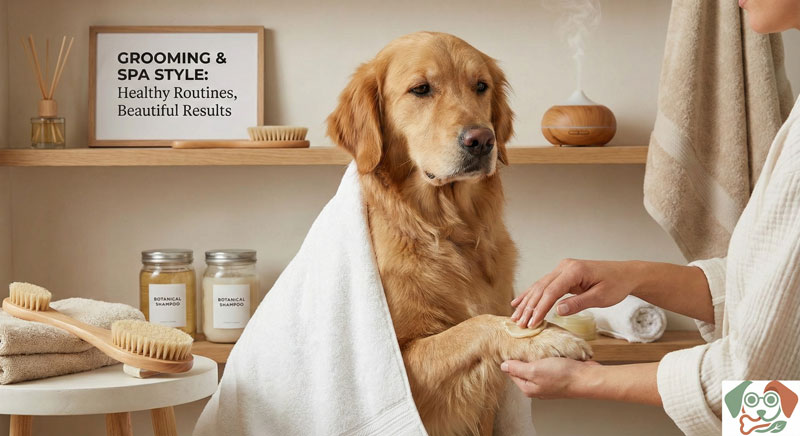
4) Moisturize and protect paw pads
– Use a vet-approved paw balm or a small amount of natural moisturizer (avoid petroleum-based products on pads).
– Apply after walks or before outdoor time to keep pads supple, especially in dry climates.
– If you live in areas with ice melt salks or salt, wipe paws after walks and apply balm before re-entry.
5) Consider booties for protection
– Booties can shield pads from hot asphalt in summer, icy patches in winter, or rocky trails in suburban areas.
– Fit: measure paw width and length, ensure snug but not tight. Practice indoors with rewards until your dog accepts them.
– Start with short indoor wear, then 5–10 minute outdoor trials, gradually increasing time.
6) Manage air quality and humidity
– Use a humidifier in dry apartments during winter; this helps nasal passages stay comfortable.
– Keep living spaces free from strong scents (scented candles, sprays) that can irritate noses.
– Regularly wash dog bedding to limit dust mites.
7) Hydration and mealtime rhythm
– Ensure fresh water is available during walks and after.
– A consistent feeding schedule supports overall health and energy levels, helping with calm, controlled walks.
– If your home is very dry, small, gentle treats can also be used to reward calm breathing and walking.
8) Gentle, reward-based training for calm walking
– Use a monthly plan: a few sessions per week focusing on leash manners, loose-leash walking, and retraining to sniff without pulling.
– Reward calm breathing: give a treat when your dog slows down or relaxes during a walk.
– Pair booties with treats: rewards help the dog associate booties with positive outcomes.
9) How to handle a reverse sneezing episode
– Stay calm and speak softly to reassure your dog.
– Lightly rub or massage the throat or chest; you can gently cover the nostrils for a second to encourage swallowing, then resume breathing normally.
– If the sneeze continues for more than a minute or is followed by coughing, choking, or nasal discharge, seek veterinary advice promptly.
10) Schedule a routine vet check
– Annual wellness visits are a good baseline.
– If episodes occur weekly, are prolonged, or are accompanied by nasal discharge, lethargy, or fever, contact your vet.
– Bring your porch-to-park log to share patterns and any bootie-related changes in behavior or comfort.
11) Crate training and daily structure
– A calm crate routine can reduce stress that may contribute to sneeze triggers when entering new environments.
– Pair crate time with positive cues and rewards; a well-rested dog handles outdoor transitions better.
12) Pet-safe outdoor routines by home type
– Apartment living: keep walks shorter but more frequent, with water breaks and indoor nose-work enrichment on rainy days.
– Suburban homes: use your yard to practice sniffing and calm exits; try longer walks on weekends, gradually adding variety (grassy parks, boardwalks, shaded trails).
Mistakes to Avoid
- Overreliance on remedies without vet input: always check with a vet before changing care plans.
- Ignoring persistent episodes: frequent sneezing can signal allergies or irritation needing attention.
- Using untested home products: avoid DIY salves with unknown ingredients on paw pads.
- Rushing bootie training: skip the gradual introduction; dogs may fear boots if rushed.
- Neglecting moisturization in winter or very dry climates: dry pads crack and become irritated.
- Forcing long walks if your dog is uncomfortable: progress gradually and respect your dog’s pace.
When to Call a Vet or Certified Professional
- Your dog has frequent or long reverse sneezing episodes (more than a minute or several per day).
- The episodes are accompanied by coughing, gagging, nasal discharge, wheezing, or changes in breathing effort.
- There are obvious paw pad injuries, limping, swelling, or signs of pain.
- You notice changes in appetite, energy, or behavior.
- You want tailored guidance on bootie sizing, medications, or allergy testing.
- A certified professional, such as a veterinary clinician or a certified dog trainer, can help create a customized plan for your dog.
Vet disclaimer: This article offers general care tips and does not replace veterinary diagnosis or treatment. If symptoms are persistent, severe, or new, contact a licensed veterinarian for a check-up.
FAQs
- What is reverse sneezing?
- It’s a rapid, repeated contraction of the soft palate and throat that makes a quick, noisy inhalation. It’s usually not dangerous, but it can be alarming.
- Do paw pads cause reverse sneezing?
- Not usually. Sneezing is connected to the nose and airways. Paw pad health affects comfort during walks but isn’t the direct cause of sneezing. Keeping pads healthy helps overall walk experience.
- Are booties safe for all dogs?
- Most dogs adjust with gradual training and proper sizing. If your dog has foot injuries, arthritis, or difficulty balancing, consult a vet before starting booties.
- Is coconut oil okay for paw pads?
- Some dog-safe balms are better than home oils. If you try coconut oil, use a small amount and watch for skin sensitivity. If irritation occurs, stop and consult your vet.
- How long does bootie training take?
- It varies by dog. Start indoors for a few minutes daily, then add short outdoor tests. Expect a week or two for comfortable wear, longer for dogs with mobility or anxiety concerns.
- Can reverse sneezing be prevented entirely?
- It may not be preventable in every case, but you can reduce triggers by improving environmental comfort, paw care, hydration, and calm walking routines.
If you’re a new dog parent in the United States, this approach can fit many home setups—apartment living, suburban yards, or shared spaces like dog-friendly parks. The key is small, consistent steps, animal-first training, and friendly routines. With paw pad care, a gradual bootie introduction, and calm, reward-based training, your dog can enjoy longer adventures without the stress of sneezing fits or uncomfortable paws.