
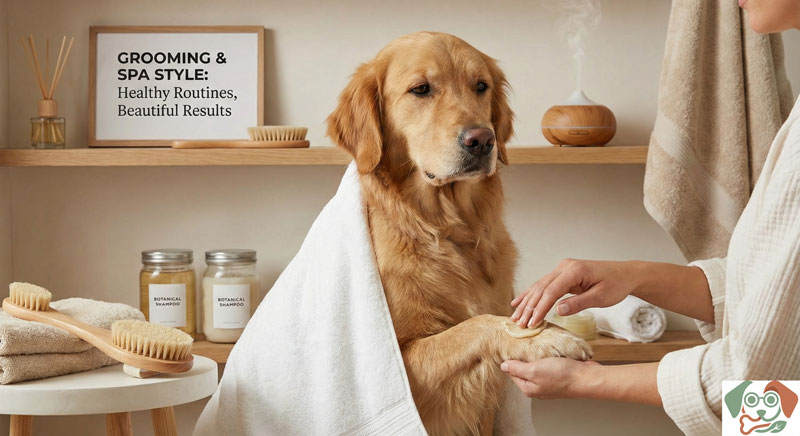
Paw Pad Rescue: Prevent Dull Coat Before Booties and Long Walks
Meta description: Practical, beginner-friendly tips to protect paw pads and restore coat shine before booties and long walks.
Quick Summary
- Protect paw pads by checking, cleaning, and moisturizing after walks.
- Shine your dog’s coat with smart grooming and good nutrition.
- Introduce booties gradually to Prevent discomfort.
- Build a gentle, gradual walking routine for healthier paws.
- When in doubt, consult your veterinarian.
Why This Matters for Your Dog
Healthy paws and a healthy coat mean comfy, happier dogs on every walk and park visit. Dull fur and dry, cracked paw pads can make long walks uncomfortable and even unsafe. Small routines at home—simple checks, gentle grooming, and thoughtful footwear—make a big difference. This guide keeps things beginner-friendly, with real-life examples for apartment living or a suburban yard, plus Crate Training and vet reminders so you feel confident trying new steps.
Common Causes (Key Factors)
- Dry air and weather changes (winter wind, summer sun) dry out pads and fur.
- Rough walking surfaces (hot sidewalks, salt, gravel) can irritate pads.
- Poor grooming or inconsistent brushing leaves fur dull and tangly.
- Nutrition gaps or flaky skin issues can dull the coat.
- Over-washing or using human products on paws or fur.
- Stress or anxiety causing licking or chewing that dries the skin.
Step-by-Step What To Do
Step 1: Do a quick check after each outing
– Look at each paw: pads, between toes, nails, and fur.
– Note any cracking, redness, swelling, or bleeding.
– Check for pulled hair or debris stuck in fur between toes.
– Keep a small notebook to track changes week by week.
Step 2: Clean and moisturize (dog-safe products only)
– After outdoor time, wipe paws with a damp cloth or dog-wipe to remove dirt, salt, or sand.
– If pads feel dry, apply a thin layer of a dog-safe paw balm or wax. Choose products made for dogs and approved by your vet.
– Avoid human lotions, oils, or essential oils on paw pads or dogs’ fur.
– Between toes, gently dry to prevent moisture buildup that can lead to irritation.
Step 3: Grooming for coat shine (short hair vs long hair)
– Short-haired dogs (like Beagles or Labs): brush 2–3 times a week with a soft-bristle brush; bathe every 6–8 weeks or as needed.
– Long-haired dogs (like Shih Tzu or Cocker Spaniel): brush daily or every other day; consider professional grooming every 6–8 weeks.
– A mild, dog-safe shampoo is best. Rinse thoroughly to avoid residue that dulls the coat.
– Finish with a quick brush to lay fur flat and reflect light from the coat for natural shine.
Step 4: Nutrition and supplements (talk with your vet)
– Feed a balanced diet appropriate for your dog’s age, size, and activity.
– Hydration matters: fresh water should be available at all times.
– Some dogs benefit from omega-3 fatty acids (EPA/DHA) for coat condition. Check with your vet before adding supplements.
– Avoid giving human foods or unapproved treats that can upset skin and coat.
Step 5: Booties: choose, fit, and introduce gradually
– Measure: width and length of each paw; choose booties with a secure, adjustable strap or Velcro.
– Fit: toes should have room to wiggle slightly; the boot should stay on when the dog walks but not pinch.
– Introduce indoors first: place each bootie on for 1–2 minutes, then take it off and give a treat.
– Gradual increase: 5–7 minute sessions, then longer as your dog accepts them.
– Practice on different surfaces: carpet, tile, and a short grassy area to help them adjust.
– Use a positive, reward-based approach: praise, treats, and calm encouragement.
Step 6: Build a gentle walking plan
– Start small: 5–10 minutes on soft surfaces for a week or two.
– Progress gradually: add 2–5 minutes each week, depending on how paws respond.
– Surface variety: mix grass, shaded sidewalks, and low-traffic trails to reduce wear on pads.
– Apartment routines: short indoor hallway practice with booties, then a short outdoor stroll; gradually extend as comfort grows.
– Suburban routines: start with 10–15 minutes on grass or quiet streets; progress to longer walks on shaded sidewalks during cooler parts of the day.
– Rest and recovery: if you see limping, licking paws, or reluctance to move, pause and reassess.
Step 7: Seasonal care and safety
– Winter: wash away salt after walks; use paw balm to prevent cracking; consider boots on cold or rough days.
– Summer: avoid hot pavement—test with the palm of your hand; walk during early morning or late evening; keep sessions shorter if the ground is hot.
– Always hydrate during longer walks and check paws for hotspots or redness.
Step 8: Crate training and routines that support paw and Coat Health
– Use crate time as a calm, safe break after walks and grooming.
– Keep a cozy mat inside the crate to minimize sliding on slick floors and to provide a comfy rest after outdoor activity.
– Include a brief grooming session (“grooming break”) in daily routines to maintain coat health and allow quick paw checks.
Mistakes to Avoid
- Using human lotions or oils on paws or fur. These can cause irritation or ingestion issues.
- Over-washing or using harsh shampoos that dry out skin and coat.
- Waiting too long to address cracking, redness, or swelling in the pads.
- Rushing bootie introduction; forcing them can create fear or resistance.
- Skipping bite-sized progress: trying to go longer than comfort allows without gradual steps.
- Ignoring signs of heat, cold, or surface burns on paws.
When to Call a Vet or Certified Professional
- Persistent dull coat despite grooming and proper nutrition, or new patches of hair loss.
- Cracks, bleeding, swelling, or signs of infection on paw pads.
- Recurrent licking or chewing that doesn’t improve with simple care.
- Lameness, limping, or weight-bearing pain that lasts more than a day.
- If you’re unsure about supplements, diet changes, or a new grooming routine, consult your vet.
Vet disclaimers: This guide provides general guidance. It is not a medical diagnosis or treatment plan. For medical concerns, contact your veterinarian. If you notice sudden pain, swelling, or a hot spot on the paw, seek veterinary care promptly.
FAQs
-
Can I use coconut oil on paw pads?
Some dogs tolerate a small amount of plain, food-grade coconut oil on dry pads. Start with a tiny amount, watch for any skin reaction, and consult your vet if you’re unsure. -
Do booties protect the coat and paws?
Booties primarily protect paw pads from rough surfaces, salt, and heat. They don’t directly improve coat shine, which is better supported by grooming and nutrition. -
How do I know if coat dullness is from diet or genetics?
Compare seasonal changes: if coat dulls in dry months or after changes in food, it might be dietary or environmental. If dullness persists year-round despite grooming and a well-balanced diet, talk to your vet about possible allergies or thyroid concerns. -
How often should I groom?
It depends on coat type: - Short coats: a few times a week brushing; baths as needed.
-
Long coats: daily brushing; professional grooming every 6–8 weeks as needed.
Use a gentle dog shampoo and rinse thoroughly. -
Are paw pads important to protect?
Yes. Healthy pads support comfortable walking, protect joints, and help the dog enjoy longer outdoor time. -
Are there risks to wearing booties?
Some dogs resist at first; the key is a gradual, positive approach. If a bootie causes distress, scale back and reintroduce slowly. Check for fit and watch for chafing.
Paw pad rescue and coat care aren’t about perfection. They’re about steady, small steps you can take today to keep your dog comfortable, confident, and ready for boots and long walks. With a simple routine, a positive approach, and a Vet-approved plan, you’ll see healthier paw pads and a shinier coat that shines on every adventure—from an apartment hallway to a sunny suburban trail.