
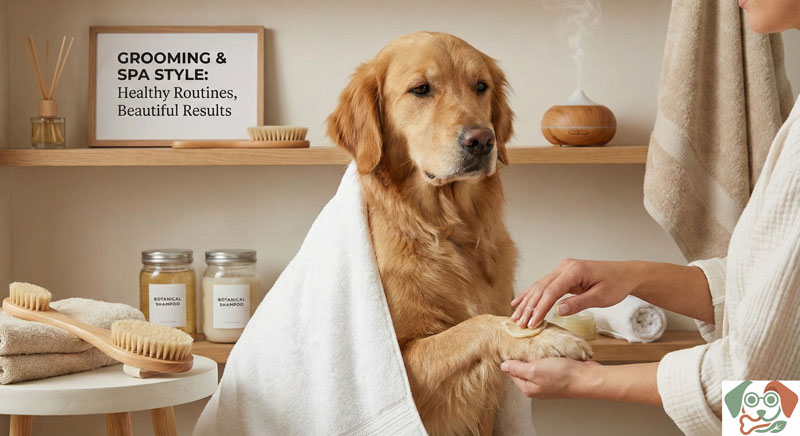
Meta description
Practical paw balm plus sweater routine to reduce tear stains, protect paws, and keep your dog looking stylish and comfortable.
Quick Summary
- Use a gentle paw balm on paw pads daily to protect and moisturize.
- Add a lightweight dog sweater to outdoor time to keep fur clean and reduce exposure to wind and grime.
- Pair these with a simple eye-area care routine (gentle cleaning and regular fur trimming) to help manage tear stains.
- Build a beginner-friendly daily schedule for apartment or suburban homes, including crate time, walks, and vet checks.
- Focus on humane, reward-based training and safe grooming habits.
Why This Matters for Your Dog
A calm, consistent routine helps dogs feel secure and reduces stress on both skin and coat. Keeping paws moisturized prevents cracking after walks, protects floors and furniture, and supports comfy outdoor time. A sweater can be a practical, season-appropriate layer for coat protection and cleanliness during cold or wet days. When you combine paw care, gentle eye-area hygiene, and simple grooming habits, you’re more likely to see less visible tear staining and a healthier-looking coat. This approach is beginner-friendly and safe, with clear steps you can adapt to your home, whether you live in an apartment or a house with a yard.
Key Factors (Common Causes)
- Tear staining patterns: Some dogs naturally have lighter fur around the eyes that shows tear staining more clearly. Hair length and fur around the eyes can trap moisture.
- Eye hygiene: Regular cleaning helps reduce staining buildup.
- Fur management: Trimming the hair around the eyes and cheeks can minimize dampness and staining.
- Skin and paw health: Dry or cracked paw pads can worsen discomfort and affect overall grooming.
- Seasonal conditions: Wind, cold, and wet weather can increase dirt and moisture on the face and paws.
- Overall grooming routine: Consistency matters more than intensity. Short, regular sessions beat long, sporadic efforts.
Step-by-Step What To Do
1) Pick the right products (pet-safe only)
– Paw balm: Choose a fragrance-free, pet-safe balm with beeswax or shea butter as a base. Patch-test on a small paw area for 24 hours.
– Eye-area care: Use a gentle, dog-safe tear stain wipe or warm, damp cloth. Avoid Harsh Chemicals or human products near the eyes.
– Sweater: Pick a soft, breathable dog sweater that fits well (snug but not tight) and allows for movement. Check for loose threads or parts your dog could chew.
2) Create a simple daily routine (apartment and suburban homes)
– Morning (after breakfast):
– Check paws: inspect for cracks or dryness. Apply a pea-sized amount of paw balm to each Paw Pad and between toes.
– Eye care: gently wipe the area around the eyes with a dog-safe wipe if there’s minor staining or crust. Do not rub aggressively.
– Brush: quick brush to remove loose hair and keep fur away from eyes.
– Outfit: if you’re heading out in cooler or windy weather, put on the dog sweater before leaving the door.
– Midday or after a walk:
– Wipe paws after outdoor time to remove dirt and moisture. Reapply balm if pads feel dry after a long walk.
– Spot-clean the face if needed (gentle wipe around eyes), especially after rain or snow.
– Evening (calm routine):
– Check for any new redness or irritation around eyes or paws.
– Trim or lightly brush the fur around the eyes if your dog tolerates it. Keep trims short and even; if you’re unsure, ask a groomer for guidance.
– Remove the sweater indoors to let the coat air out and prevent overheating.
3) Eye-area care routine (low-stress, beginner-friendly)
– Daily or every other day:
– Use a dog-safe tear stain wipe or damp cloth to wipe downward from the inner corner toward the outer eye. Use a fresh wipe for each eye to avoid spreading any discharge.
– If you see crust or heavy staining, continue this routine for several days, but if it persists, check with a vet for possible allergies or blocked tear ducts.
– Weekly:
– Lightly trim fur around the eyes if your dog tolerates it. If you’re uncertain, seek help from a professional groomer.
4) Paw balm routine (keep paws healthy year-round)
– Apply after walks, when pads look dry or cracked, or after a bath when paws can be dry.
– Use a small amount—think the size of a pea per paw—and rub into pads and between toes.
– Allow your dog to lick naturally; if you notice excessive licking or a reaction, discontinue and check with a vet.
– Wipe up excess balm from floors or rugs to avoid slips, especially on wood or tile.
5) Sweater routine (seasonally appropriate)
– Put on the sweater after a bath or when you know you’ll be outdoors in cool or damp weather.
– Check fit regularly: shoulders, chest, and belly should have enough room to move but not be loose enough to trip.
– Monitor for overheating: signs include heavy panting, restlessness, or trying to remove the garment. If you see these, remove the sweater and let your dog rest.
– Weekends or longer outdoor time: consider alternating outdoor play with indoor fetch or puzzle games to balance exercise and weather exposure.
6) Crate training and daily schedule
– Create a cozy crate space with a soft bed, water, and some safe chew toys.
– Use crate time for quiet rest after meals or a short training session. This supports routine and reduces overstimulation, which can affect grooming and eye care.
– Aim for consistent crate times: short intervals at first, gradually increasing as your dog becomes comfortable.
7) Vet visits and safety checks
– Schedule annual wellness exams plus vaccines as recommended by your vet.
– If tear staining worsens, or if you notice redness, swelling, discharge, or foul odor near the eyes, contact your vet promptly.
– If your dog has persistent paw issues (cracks, sores, swelling) or shows signs of discomfort, arrange a vet visit.
– Never diagnose or treat eye problems at home with medications without veterinary guidance.
Mistakes to Avoid
- Over-washing or over-cleansing the eye area, which can irritate skin.
- Using human products or scented items near eyes or on paws.
- Ignoring signs of infection, allergy, or blocked tear ducts.
- Wearing a sweater in a way that restricts movement or causes overheating.
- Skipping daily routines—consistency matters for skin, coat, and tear stain management.
- Rushing trims around the eyes; improper trimming can injure the eye area.
When to Call a Vet or Certified Professional
- Persistent tear staining with discharge, redness, swelling, or foul odor.
- Recurrent paw cracks, bleeding, or severe dryness that doesn’t improve with home care.
- Sudden changes in appetite, energy, or behavior alongside grooming concerns.
- If your dog shows signs of stress or fear during grooming or wearing clothing, a professional can help with gentle, humane approaches.
Vet disclaimer: This post offers general guidance for dog care and grooming. It does not replace professional veterinary advice. For health concerns or persistent symptoms, consult your veterinarian before making changes to treatments or routines.
FAQs
- Do tear stains go away with paw balm or a sweater routine?
- The balm helps paw health and comfort, not tear stains directly. A consistent eye-area cleaning routine, regular fur trimming around the eyes, and good overall health can reduce tear staining over time. The sweater routine supports cleanliness and can help when outdoor exposure contributes to staining, but results vary by dog.
- How do I choose a paw balm?
- Look for pet-safe ingredients (beeswax, shea butter, natural oils) and no artificial fragrances. Patch-test on a small paw area first.
- How long should my dog wear a sweater?
- Start with short periods (15–20 minutes) and monitor for signs of overheating or discomfort. If your dog is relaxed and moves easily, you can extend time gradually.
- Can I trim the hair around my dog’s eyes myself?
- Yes, with careful, small trims and sharp scissors. If you’re unsure, ask a groomer to show you safe techniques or have them do the trims.
- Should I use tear-stain wipes every day?
- Start with a few times per week and adjust based on your dog’s needs. If you notice irritation, reduce frequency and discuss with your vet.
- Is crate training necessary?
- Crate training provides a safe, calm space and supports routine, especially for dogs learning new grooming or clothing routines. Use positive reinforcement to help your dog enjoy crate time.
If you’re new to dog care, start with the basics: a simple daily paw balm routine, light eye-area care, a season-appropriate sweater, and a predictable schedule that fits your living space. With gentle, reward-based methods, you’ll help your dog feel secure, comfortable, and ready for daily adventures—whether you’re in an apartment, a suburban home, or anywhere in between.