
Paw Balm Plus No-Pull Harness Routine: Stop Stiff Hips and Keep the Streetwear Look
Meta description: Paw balm plus no-pull harness routine to ease hip stiffness and keep your dog’s streetwear-ready style.
Quick Summary
- Use paw balm daily to protect pads and promote comfort.
- Pair a well-fitted no-pull harness with humane, reward-based training.
- Build a simple, dog-friendly routine for apartments or suburban homes.
- Focus on hip-friendly movement, slow warm-ups, and regular vet check-ins.
- Dress the routine up with safe, stylish harness choices for a streetwear vibe.
Why This Matters for Your Dog
Dogs with stiff hips can struggle with walking, stairs, and play. A gentle, consistent routine helps maintain mobility and comfort. A no-pull harness reduces shoulder and hip strain during walks, especially for dogs that tend to pull. Paw balm keeps paw pads healthy in all weather, making outdoor adventures more comfortable. When you combine paw care with a humane training routine, you’re supporting long-term joint health and a happier daily life. Plus, you can keep the streetwear look with safe, adjustable harnesses that fit well and look good on parade-ready strolls.
Key Factors
- Age and joint health: older dogs and those with hip dysplasia or arthritis may show stiffness.
- Weight and conditioning: extra weight can add stress to hips and joints.
- Pad protection: dry or cracked pads can make walking uncomfortable.
- Harness fit and training: a well-fitted no-pull harness helps control movement without sharp pulls.
- Routine variety: regular, gentle activity is better than long, intense sessions.
- Weather and surfaces: cold, slick or rough surfaces can aggravate stiffness.
Step-by-Step What To Do
1) Assess and prep
– Quick paw check: look for cracks, dryness, or redness. If you see any swelling or limping, note it but don’t push through pain.
– Gather supplies: your favorite paw balm, a well-fitted no-pull harness, a lightweight leash, small treats, and a comfy harness-friendly shirt or coat if needed for weather.
2) Paw balm routine
– Patch test: apply a small amount on a hidden area first to ensure no skin sensitivity.
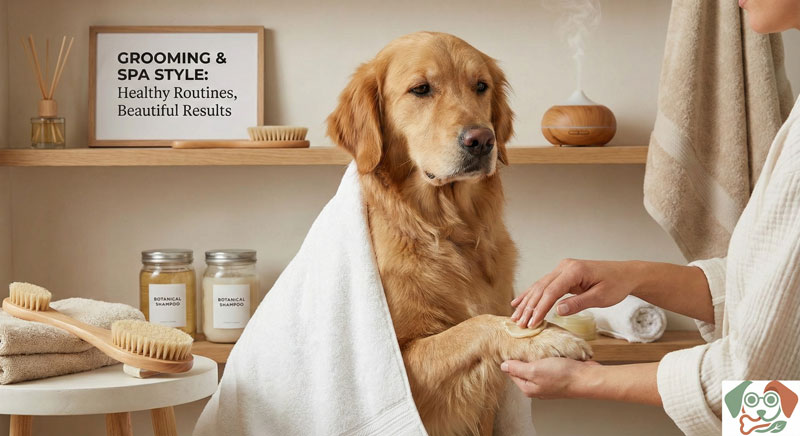
– Application: rub a pea-sized amount of balm into each Paw Pad after outdoor time, or once daily in dry weather. Gently massage the balm in for 20–30 seconds per paw.
– Drying time: let the balm absorb before putting on a leash. Wipe off any excess to avoid dirt transfer.
– Do this consistently, and use the balm after muddy or wet walks to protect pads from cracking and stiffness.
3) No-pull harness: fit, intro, and habit
– Fit basics: choose a harness that sits comfortably across the chest and back, with adjustable straps. It should be snug but not tight, allowing two fingers’ width under each strap.
– Indoor intro: let your dog sniff the harness, then reward heavily for calm behavior while it’s on a table or crate. Do this in short, 2–3 minute sessions.
– Gradual wear: begin wearing the harness for 5–7 minutes around the apartment, with treats and praise. Increase the time gradually over 1–2 weeks.
– Practice with a leash: attach a lightweight leash indoors, and reward calm walking. Move to gentle “heel” or “turn” cues on soft surfaces.
– Outdoor start: begin with short, quiet walks in low-distraction areas (hallways, quiet sidewalks). Reward frequent stops and sniff breaks to build tolerance.
4) Daily routine for hip-friendly walking
– Frequency: aim for two short walks daily (about 10–15 minutes each) and one longer weekend walk (15–30 minutes) if your dog is comfortable.
– Warm-ups: start with a 1–2 minute leash-free sniff or gentle nose work before the harness goes on.
– Warm-downs: end with a 1–2 minute slow stroll and gentle tummy or hip-area gentle pats to relax the muscles.
– Surface choice: in apartments, pick carpeted hallways or grassy paths in nearby parks; in suburban homes, use a lawn or dirt path to reduce slip risk.
– Terrain progression: mix flat walks with gentle inclines (curb ramps or small hills) as your dog’s hip strength improves.
– Crate and rest: provide a calm crate or quiet corner after exercise to rest, which helps joints recover.
5) Day-to-day home routines that support joints
– Crate training and downtime: give your dog a safe, comfy crate or bed with a steady routine, especially after walks.
– Gentle mobility moves: short, low-stress moves like sit-to-stand and slow stands can help maintain joint flexibility.
– Feeding and weight: balanced meals with appropriate portions help prevent extra weight on hips.
– Weather tips: use paw balm and harness adjustments during cold, wet, or icy days to ease movement and protect pads.
6) Special considerations for apartment vs suburban living
– Apartment dogs: focus on indoor warm-ups, hallway treats, and controlled outdoor zones like quiet courtyards. Use reflective, streetwear-inspired harness colors for low-light walks.
– Suburban dogs: mix longer walks with gradual incline work on safe trails. If you have a yard, incorporate small, supervised runs on soft ground to reduce impact on hips.
7) Vet visits and professional input
– Regular check-ins: keep routine vet visits for hips, joints, and paw health updated. Bring notes about any stiffness or changes in movement.
– When to escalate: if stiffness worsens, you notice limping, swelling, or reluctance to move after warmth, contact your vet promptly.
– What to share: mention any changes in weight, appetite, or activity, plus how the paw balm routine and harness usage feel for your dog.
8) Streetwear look, safely
– Style with safety: choose harnesses that fit well and support movement, with secure buckles and reflective trim for visibility.
– Comfort first: prioritize fit and function over looks; a well-fitted harness keeps the stride natural while still looking stylish.
– Accessorizing: add color-coordinated leashes or accessory patches that are lightweight and non-irritating. Avoid anything that could snag or cause discomfort.
Vet disclaimer: This article offers general tips. It does not replace veterinary care or specific medical advice. If your dog shows pain, persistent lameness, or swelling, consult your veterinarian promptly.
Mistakes to Avoid
- Skipping a patch test or applying balm near the eyes or mouth.
- Forcing a harness or leash on a resistant dog; progress slowly with rewards.
- Allowing pull or harsh corrections with the harness; use gentle cues and treats to guide movement.
- Ignoring signs of pain or fatigue; back off if stiffness increases after activity.
- Not adjusting for weather; extremely cold surfaces can worsen stiffness, and dry pads need moisture.
- Overwashing pads or using strong products that irritate skin.
When to Call a Vet or Certified Professional
- Persistent limp or non-weight-bearing limb.
- Noticeable swelling or warmth around hips or joints.
- Sudden changes in mobility, or if discomfort lasts beyond 2–3 days.
- Your dog has a history of hip dysplasia or joint disease and shows new symptoms.
- You’re unsure how to proceed with a new routine or if your dog heavily resists any movement.
If you’re unsure, a veterinarian or certified trainer can tailor a plan for your dog’s age, weight, and health history and help you adjust the paw balm and harness routine safely.
FAQs
- Q: Will paw balm help dry pads?
A: Yes, it helps keep pads hydrated and comfortable after walks. Use as directed and monitor for any skin reaction. - Q: Is a no-pull harness safe for all dogs?
A: For most dogs, yes, when fitted properly and used with humane training. Some dogs with specific medical issues may need alternatives; check with your vet. - Q: How long should I apply paw balm each day?
A: A light daily application after outdoor time works well, especially in dry or cold weather. - Q: Can puppies use this routine?
A: Puppies can use a gentle version with shorter walks and slower introduction to harnesses; ensure the harness fits and avoid overexertion. - Q: What if my dog hates the harness?
A: Start with short, positive sessions indoors, using treats and praise. Move slowly and keep sessions brief until your dog accepts it. - Q: How do I know if hip stiffness is improving?
A: You should notice smoother movement, less reluctance to walk, and more comfort during warm-ups and daily activities, along with consistent appetite and energy.
This paw balm plus no-pull harness routine offers beginner-friendly steps for everyday American pet parents. With mindful paw care, humane training, and simple home routines, you can ease hip stiffness and keep your dog walking stylishly and safely—whether you’re in a cozy apartment or a suburban home.