
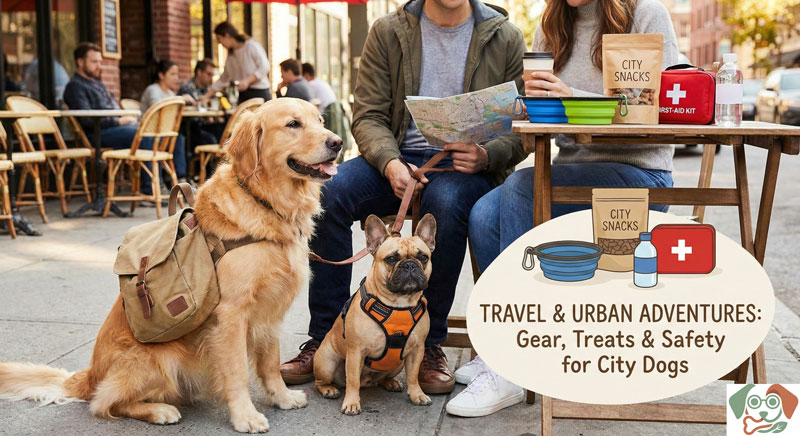
Outdoor Dining Rules: Reduce Car Sickness and Keep Outfits Clean with Bully Sticks
Meta description: Outdoor dining with dogs: reduce car sickness and keep outfits clean with bully sticks. Practical tips for apartment and suburban homes.
Quick Summary
- Use bully sticks to keep dogs calm and focused during outdoor dining trips.
- Plan ahead: light meals before rides, short rides, and a safe dining spot.
- Train with gentle rewards and clear cues. Include crate training and leash routines.
- Separate tips for apartment living and suburban homes.
- Always supervise chew time and know when to seek veterinary help.
Why This Matters for Your Dog
Eating outdoors with a dog can be fun, but it adds stress for some pups. Car sickness is more common during travel to new spots. A calm dog is easier to manage, and a long-lasting chew like a bully stick can keep mouths busy without mess. Using a bully stick the right way helps protect outfits, floors, and car seats from drool and slobber, while also reducing the urge to jump, bark, or beg.
This post focuses on practical, humane steps you can take at home, in apartments, and in suburban settings. If you have questions about your dog’s health, please contact your veterinarian. This article offers general guidance, not medical diagnosis or dosages.
Key Factors (Common Causes)
- Motion and anxiety: rapid transport to busy dining spots can unsettle some dogs.
- Feeding timing: a heavy meal right before a ride can raise nausea.
- Overstimulation: new smells, crowds, and chairs can distract or stress dogs.
- Chew time: a familiar chew can help redirect focus and calmness.
- Supervision: unattended chews can pose choking or GI risks.
Step-by-Step What To Do
1) Plan a calm outing
– Pick a low-stress spot, like a quiet patio or fenced yard first.
– Check local rules about dogs at outdoor dining areas and parks.
– Bring a lightweight crate or mat for a familiar place to settle.
2) Prep meals and chews
– Feed a light meal earlier in the day, not right before travel.
– Pack a single bully stick of appropriate size for your dog. For small dogs, use a shorter, thinner stick; for large dogs, choose a longer chew.
– Have a towel and wipes handy for drool and paws.
3) Manage the car ride
– Offer the bully stick after you secure your dog in the car and start the ride, not before.
– Open windows slightly for fresh air if your dog tolerates it; never leave a dog unattended in a hot car.
– Keep rides short and gradually extend them as your dog grows more comfortable.
4) Set up at the dining spot
– Keep your dog on a leash until they settle; then use a crate or mat if you crate-train.
– Place the bully stick on a chew mat or clean plate to reduce drips on fabrics.
– Use a calm cue like “chew time” to signal the start of the chew session.
– Supervise closely; remove the stick if it starts to splinter or become a choking hazard.
5) During dining
– Allow your dog to chew quietly while you eat or relax nearby.
– Avoid giving other high-value treats during the same session to Prevent overexcitement.
– Keep your own clothing clean—tie back hair, use a bib or napkin if needed.
6) Post-dining care
– Remove all chew remnants and wipe the mouth and paws.
– Have a damp cloth ready to wipe fur and legs before re-entering home or car.
– Refresh water and give a short walk to help settle the dog afterward.
7) Crate training and routines (apartment and suburban homes)
– If you crate-train, use the bully stick inside the crate to create a positive association with car rides and outdoor dining.
– Practice short, positive crate sessions at home before longer outings.
– Maintain a predictable schedule: meals, walks, car rides, and playtime help reduce anxiety.
Mistakes to Avoid
- Feeding a full meal right before car trips or outdoor dining.
- Giving a bully stick that’s too small or too hard, which can be a choking risk.
- Leaving a chew unattended in a busy outdoor area or dog park.
- Forcing your dog to chew if they show fear or discomfort; switch to a gentler activity.
- Forgetting to wipe paws or check for dirt before reentering the home.
When to Call a Vet or Certified Professional
- If your dog vomits repeatedly after rides or shows persistent motion sickness symptoms.
- If there is persistent drooling, lethargy, or signs of pain after chewing.
- If a chew causes choking, coughing, or gagging that doesn’t stop.
- If your dog has a known food allergy or GI sensitivity and you’re unsure about chews.
- Vet disclaimer: This article provides general guidance. For health concerns or unusual symptoms, contact your veterinarian.
FAQs
-
Q: Can bully sticks really help with car sickness?
A: A calm, focused chew can help some dogs handle stress better. Pair it with shorter rides and gradual exposure. If you notice nausea persists, consult your vet. -
Q: Are bully sticks safe for all dogs?
A: Most dogs handle bully sticks well when supervised and sized appropriately. Supervise to prevent choking and avoid sticks that are overly small or brittle. If your dog has dental issues or pancreatitis risk, talk to your vet about alternatives. -
Q: What about apartment life—how do I keep mess contained?
A: Use a mat or tray under the chew, wipe paws after outings, and change clothes or use a dedicated dog-walk bag for damp items. A calm routine at home reduces spillover. -
Q: How do I start crate training for outdoor dining?
A: Introduce the crate gradually with the bully stick as a positive reward, then practice short sessions at home. Progress to safe outdoor settings with a crate or mat, and keep the dog secure during meals. -
Q: How can I tell if my dog is ready for longer outdoor dining trips?
A: Look for signs of calm behavior, such as relaxed body, soft eyes, and consistent chewing. If your dog shows fear or reactivity, slow the pace and seek guidance from a certified trainer.
If you’d like, I can tailor this plan to your dog’s size, breed, and your housing situation (studio apartment, three-bedroom, or a fenced suburban yard) and suggest a week-by-week practice schedule.