
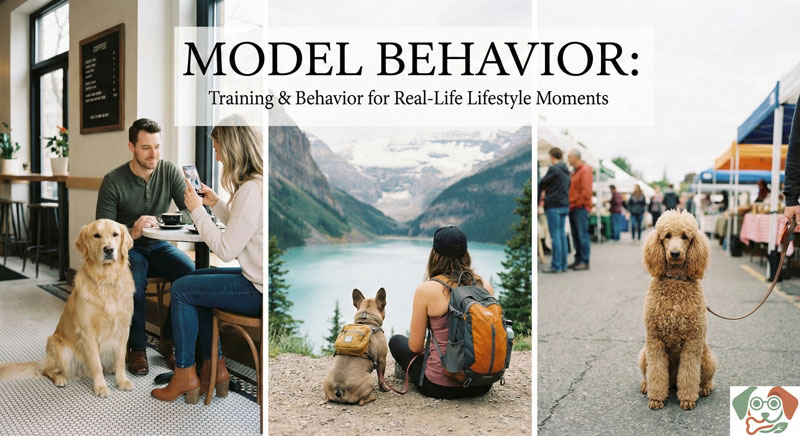
Noise Desensitization for City Dogs: Reduce reactivity and keep walking outfits calm
Meta description: Learn humane, reward-based noise desensitization for city dogs to Reduce reactivity and keep walks calm.
Quick Summary
- Start with small, controlled exposure to city noises using treats and praise.
- Pair sounds with calm cues and a comfy walking routine.
- Use crate or a quiet space at home to create a predictable routine.
- Move slowly from apartment to suburb with similar steps, adjusting distance and volume.
- This approach emphasizes reward-based training and safety. If concerns arise, consult a professional.
Why This Matters for Your Dog
City living brings many auditory triggers: sirens, construction, garbage trucks, and loud neighbors. For some dogs, these sounds spark reactivity—barking, pulling on the leash, or tense bodies. Desensitization helps your dog stay calmer on walks and at home, so you can enjoy daily routines like outdoor potty breaks, trips to the park, and visits to the vet. A calm dog is safer, happier, and easier to manage in busy environments. And with the right equipment and plan, you can practice even in an apartment or a suburban yard.
Common Causes (Key Factors)
- Sudden loud noises or rising city sounds unfamiliar to a dog.
- A dog’s sensitive nervous system or past fear experiences.
- Overstimulation from crowded sidewalks, parking lots, or dog parks.
- Inconsistent routines or feared triggers (doorbells, trash trucks, construction).
- Inadequate safe space or lack of gradual exposure.
Step-by-Step What To Do
1) Set up a calm start at home
– Choose a quiet room or hallway with a comfy bed and your dog’s crate or mat.
– Have high-value treats handy, plus a favorite toy.
– Use a white noise machine or soft fan to buffer outside sounds.
– Begin with a short, 3–5 minute session and gradually extend.
2) Introduce sounds gradually
– Start with very soft city sounds (recordings or low-volume street noise).
– Pair the sounds with a easy-to-follow cue like “Be calm” or “Sit.”
– Reward calm behaviors: loose leash, relaxed body, soft eyes, and steady breathing.
– If your dog shows stress, pause the session and wait a few minutes until calm.
3) Build a desensitization plan around daily routines
– Apartment: practice during quiet times, then slowly introduce city sounds from outside the door or hallway.
– Suburban home: practice near the yard or porch, increasing distance from the street as your dog stays calm.
– Tie desensitation to walking outfits: keep a consistent, comfortable harness and leash. Avoid heavy, flashy clothing or gear that might startle your dog. The goal is a calm, predictable routine.
4) Practice during real-life moments
– Use the doorbell, a passing bus, or a neighbor’s dog bark as the exposure.
– Stay at a distance where your dog remains calm, then reward.
– Gradually decrease distance as progress continues, keeping sessions short and positive.
5) Teach and reinforce calm cues for walking
– Before you step outside, give a calm cue and reward calm posture.
– If a trigger appears, switch to a small, quiet activity (scent work, a puzzle treat) to redirect focus.
– Keep walking outfits simple and comfortable: non-restrictive harness, snug leash, and a familiar crate or mat for breaks if you’re out for long periods.
6) Use crate training as a safe retreat
– A crate can be a calm, safe space during noisy moments.
– Introduce the crate positively, with treats and praise, so your dog views it as a refuge during loud times.
7) Track progress and adjust
– Keep a simple log: date, exposure type, volume, distance, and your dog’s reaction.
– If progress stalls, slow the exposure or add more rewards to encourage calm behavior.
Mistakes to Avoid
- Punishing reactivity or using shock collars or harsh scolding.
- Forcing your dog to tolerate loud noises without gradual exposure.
- Ignoring signs of stress or overexposure, which can backfire.
- Expecting quick results; desensitization takes time, especially in busy city environments.
- Skipping safety: never leave your dog unattended during high-noise exposure.
When to Call a Vet or Certified Professional
- If your dog shows self-harm, severe trembling, or aggressive reactions that worsen.
- If anxiety disrupts eating, sleeping, or normal daily life for weeks.
- If you’re unsure about a plan or need personalized guidance for a multi-dog home.
- Do not diagnose or prescribe medications here; a veterinary behaviorist or certified trainer can help tailor a humane plan.
Vet disclaimer: This information is for education and is not a substitute for professional veterinary advice. If you have health concerns, please consult your veterinarian.
FAQs
-
Q: Can I start desensitization instantly with loud city noises?
A: Start with quieter sounds and shorter sessions. Build up gradually as your dog remains calm. -
Q: How long does it take to see results?
A: It varies. Some dogs improve in weeks; others may take months. Consistency matters. -
Q: Should I use ear Protection for dogs?
A: Some dogs tolerate soft ear coverings or gentle muffling; check your dog’s comfort and avoid stress. -
Q: What if my dog freezes or hides when a sound starts?
A: Pause, give a calm cue, reward quiet behavior, and reduce volume or distance. Return later at a lower level. -
Q: Can I apply this plan if I take my dog to dog parks?
A: Yes, but start with quiet park times and gradual exposure to nearby activities. Reward calm behavior. -
Q: How can I stay consistent with a busy city schedule?
A: Keep a predictable routine, use reminders, and short daily practice sessions around walks and potty times.
If you’re a U.S. pet parent living in an apartment or suburban area, you can adapt these steps to your space, routine, and dog’s personality. With patience, humane training, and small, consistent steps, your city dog can stay calmer during noises and enjoy safe, happy walks in your daily life.