
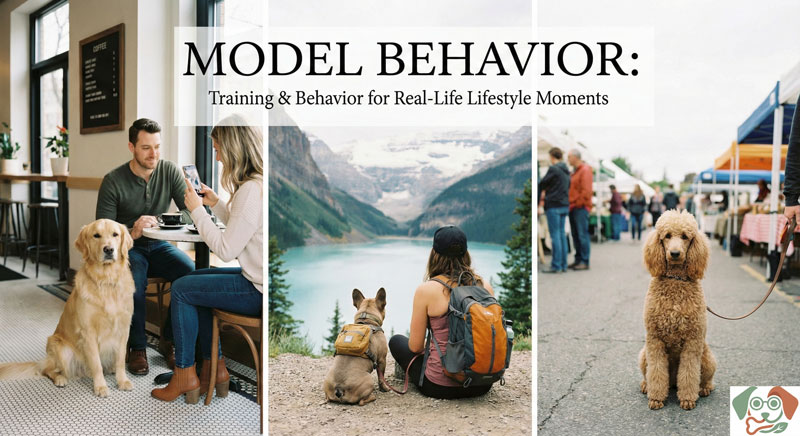
Loose-Leash Walking Made Chic: Reward Plans That Avoid Weight Gain and Keep Energy Steady
Quick Summary
- Loose-leash walking is not just manners; it helps steady energy and Prevent Weight gain.
- A simple, reward-based plan fits busy U.S. homes—from apartments to suburban yards.
- Mix calm training with play, meals, and crate time for a balanced daily routine.
Why This Matters for Your Dog
- Consistent, enjoyable walks prevent overeating and boredom-borne behavior.
- Reward-based methods reduce stress for you and your dog, encouraging cooperation.
- A steady pace during walks supports heart health, joints, and mood.
Key Factors
- Energy balance: calories in vs. calories burned. Smaller dogs need careful treats, larger dogs may need longer walks.
- Environment: apartment halls, stairwells, sidewalks, and parks each pose different distractions.
- Routine: predictable schedules help dogs know when to expect movement, meals, and rest.
- Training method: humane, reward-based cues increase success and safety.
- Rest and recovery: short, restful crate time or quiet breaks prevent overexertion.
Step-by-Step What To Do
1) Start with a health check
– If your dog is overweight or you’re unsure, schedule a quick vet check. They can help set a safe weight range and offer dietary guidance.
– Note: this article offers general advice only. For health topics, consult a veterinarian before changing exercise or diet plans.
2) Set a clear daily routine
– Morning: 15–20 minute leash walk in a familiar area (apartment corridor or quiet street).
– Midday: 5–10 minutes of leash work or a quick play break indoors if weather or schedules block outside walking.
– Evening: a 20–30 minute stroll plus a short “walk-and-snack” pattern where you reward calm walking every few steps.
– In a suburban home, add a brief backyard sniff-and-stretch session or a light fetch game after meals.
3) Create a reward plan that pays off
– Use high-value rewards during the walk (small soft treats, kibble bursts, or a favorite toy for a quick tug after a calm stretch).
– Pair rewards with the cue “Let’s go” or “Easy” when your dog stays at your side.
– Schedule treats so they’re a part of the walk, not a meal replacement. Limit total daily treats to fit your dog’s needs.
4) Teach loose-leash walking step by step
– Start indoors or in a low-distraction area. Stand with your dog by your side, treat in your hand near your thigh.
– Lure your dog to walk at your pace with small treats, gradually taking steps and rewarding feet touching the ground at your side.
– If your dog pulls, stop and wait for the leash to slack, then resume walking. Reward when the leash stays loose.
– Increase difficulty slowly: outdoor curb edges, doorways, and busier sidewalks as your dog stays calm.
5) Use a practical home-safety setup
– Apartment: practice in the hallway or stairwell, then move to a quiet park nearby. Short but frequent walks beat long, stressful ones.
– Suburban: bring a collapsible water bowl, a poop bag pouch, and a light snack pouch to your walks. A well-fitted harness can help reduce strain.
– Crate time: pair the crate with calm rest after walks to help your dog recover energy and prevent overexcitement.
6) Keep energy steady with a walk-and-snack rhythm
– Mark calm walking every 5–7 steps with a tiny treat or a click if you’re using clicker training.
– Alternate 2–3 short reward bursts with 1–2 calm walking stretches. This balances energy without turning walks into free-for-all sprints.
7) Balance park time and safety
– At dog parks, keep your dog on leash until inside the designated area if needed; reward good leash-standards before entering the park.
– Bring a favorite toy or puzzle toy to channel energy into a safe outlet rather than pulling on the leash.
8) Integrate crate training and rest
– Use the crate after walks for a calm cooldown. A short crate break helps prevent overtired, jumpy behavior.
– Keep the crate in a quiet area of your home and make it a positive space with a comfy bed and a chew.
9) Weekday vs weekend planning
– Weekdays: two short walks plus a tiny rest in between. One longer walk on alternate days.
– Weekends: a longer outdoor stroll, plus a low-distraction practice session at a park or quiet street.
10) Monitor your dog’s weight and energy
– Weigh your dog every 4–6 weeks or as recommended by your vet.
– Adjust treats and portion sizes if you notice weight changes. Maintain a consistent feeding schedule tied to walks and activity.
Mistakes to Avoid
- Over-rewarding with high-calorie treats or using food as punishment.
- Yanking or jerking the leash; this teaches avoidance rather than cooperation.
- Ignoring rest: dogs need downtime after activity to avoid overstimulation.
- Inconsistent cues or reward timing; your dog learns best with predictable responses.
- Punishing pulling behavior instead of redirecting or rewarding calm walking.
- Skipping vet checks when weight or health concerns arise.
When to Call a Vet or Certified Professional
- Your dog isn’t losing weight when expected or is rapidly gaining weight.
- You notice limping, coughing, or changes in appetite or energy that don’t improve with adjustments.
- You’re unsure about proper exercise that fits your dog’s age, breed, or medical history.
- If you’re considering advanced training or behavior plans, a certified trainer can help tailor a humane, reward-based program.
FAQs
-
How long should walks be for a beginner?
Start with 10–15 minutes, 2 times a day, and extend gradually as your dog stays relaxed and at your side. -
What if my dog pulls even with rewards?
Practice in a low-distraction area, use a front-clip harness, and consider short, frequent sessions rather than long ones. A trainer can help with technique. -
Are treats during walks okay?
Yes, but keep them small and count them toward daily calories. Choose low-calorie, high-value options and use them strategically. -
Can toys substitute treats during walking?
Yes, you can use a favorite toy for occasional rewards, or a short tug session after a calm walking stretch. Balance toy rewards with edible rewards carefully. -
How can I manage energy in an apartment with thin walls or busy neighbors?
Use hallway practice, stairwell sessions (where allowed), and quick, frequent micro-walks between errands. Quiet indoor activities like puzzle feeders help burn energy too. -
Do I need to use a clicker?
A clicker can speed up learning for some dogs. If you prefer, use a non-food marker (a word like “Yes”) and consistent Timing for rewards. -
What if my dog is very young or very old?
Tailor walk length and intensity to age and health. Short, frequent sessions often work best for puppies; seniors benefit from gentle, slower pacing and rest periods.
Vet Disclaimer
This guidance offers general, practical steps for healthier walking and energy balance. It does not replace veterinary advice. If your dog has health concerns, obesity, or unusual weight loss or gain, consult a veterinarian before making changes to exercise or nutrition.
With simple steps, you can enjoy chic, reward-based loose-leash walking that keeps your dog’s energy steady and body balanced—perfect for busy, everyday American households. Start small, stay patient, and celebrate little victories along the way.