
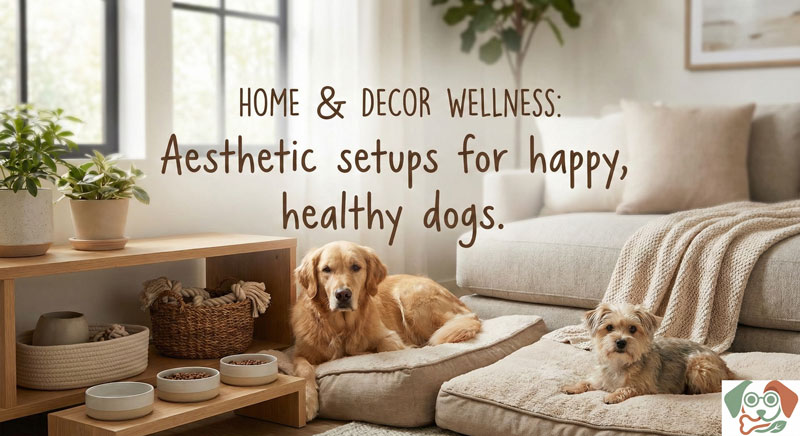
Home Photoshoot Setup: Reduce Overheating and Keep Coats Camera-Ready
Meta description: A beginner-friendly guide for U.S. dog parents to stage cool, comfy home photo moments that keep coats camera-ready and safe.
Quick Summary
- Create a calm, cool space for photo sessions.
- Keep water, shade, and breaks handy to Prevent overheating.
- Groom before photos and use natural light for flattering coats.
- Use short sessions with rewards to stay friendly and relaxed.
- Tailor the setup to your home, whether an apartment or a suburban house.
Why This Matters for Your Dog
Dogs feel comfortable when they’re not overworked or overheated. Heat can make them tired, groggy, and less cooperative for photos. A well-planned setup protects your pup’s safety and helps you capture vibrant, true-to-life shots. You’ll also support good grooming habits that keep coats shiny and camera-ready.
Key Factors
- Temperature and airflow: Keep the room cool and breezy. Avoid direct, hot sun.
- Lighting: Natural light near a window creates soft, flattering photos. Avoid harsh glare.
- Grooming: Brush coats and wipe coats clean before shooting. Tangles show in photos.
- Hydration: Offer water before, during, and after shoots.
- Breaks: Short sessions beat long, tiring ones. End on a positive note.
- Environment: Use a quiet, familiar space to reduce stress.
- Training: Use reward-based cues. Reward calm behavior and gentle posing.
- Real-life context: Adapt the setup to apartment layouts or a suburban yard.
Step-by-Step What To Do
1) Pick the right time: Late morning or early evening when it’s cooler. If you’re in a muggy area, choose the coolest part of the day.
2) Find a cool space: A shaded living room, inside near a window, or a garage with the door up and a fan on. Avoid hot rooms.
3) Set up a simple backdrop: A neutral sheet, a soft blanket, or a clean rug. Keep hazards off the floor.
4) Create a safe pose area: Use a low, comfortable surface (blanket on the floor or a low ottoman). Avoid high heights.
5) Brush and prep your coat: Comb or brush to remove loose fur and smooth the coat. A quick wipe-down helps look camera-ready.
6) Hydration station: Place a bowl with fresh water nearby. Offer a sip before shots begin.
7) Lighting check: Position the dog so the sun is behind the camera or to the side. Use natural light rather than hot overhead lamps.
8) Introduce a calm cue: Use a simple, humane cue like “sit” or “stay” with treats. Reward calm behavior with small bites of food or praise.
9) Short photo bursts: Take 5–10 quick photos in a row, then pause. This reduces stress and overheating.
10) Keep sessions brief: Plan three short sessions, separated by rest. It’s better to end early on a happy note.
11) Vary the setup for realism: Move from the living room to a safe yard area if you have one. A backyard fence can be a safe, shaded place for quick outdoor shots.
12) End with a calm cooldown: Sit with your dog, offer water, and give gentle petting. A positive transition helps future sessions.
Real-world examples
– Apartment: Use a quiet corner by a sunny window with a light blanket and a small fan blowing gently toward the dog (not directly at the face). Keep the space compact to avoid heat buildup. Short bursts, with quick resets in a familiar spot.
– Suburban home with yard: Stage a photo in the shade of a porch or under a tree. Bring a foldable chair for you and a comfortable mat for the dog. Water nearby, a light snack, and a couple of breaks keep energy steady.
Daily routines that help
– Regular grooming schedule: Brush daily or every other day; keep coats tangled-free.
– Crate Training: Use a crate for a calm, predictable space during shoots. Let your dog enter on cue and reward with treats and praise.
– Vet and health checks: Bring up grooming and heat tolerance at routine vet visits. If your dog has a medical condition or breathes unusually hard, consult your vet before more photo sessions.
– Exercise balance: Short walks or play before a photoshoot can help your dog relax, not overexert.
– Park vs Home: Before a park visit, consider a quick photo in the yard or hallway to build confidence with movement and sounds.
Mistakes to Avoid
- Overheating: Don’t shoot in hot rooms or direct sun for long periods.
- Forcing poses: Let your dog move naturally and reward good behavior. Don’t hold a pose if it causes stress.
- Ignoring body language: Stop if the dog shows signs of fatigue, anxiety, or panting.
- Bad lighting: Avoid harsh ceiling lights or shadows on the coat. Opt for soft, even light.
- Skimping water: Always have water available during shoots.
- Over-stimulation: Too many props or loud sounds can frighten pets.
When to Call a Vet or Certified Professional
- Signs of overheating: excessive panting, drooling, weakness, vomiting, collapse, or confusion. If any of these occur, move your dog to a cool area and contact your vet immediately.
- Known health issues: If your dog has heart, lung, or age-related concerns, consult your veterinarian before attempting longer or outdoor shoots.
- Persistent symptoms: If you notice excessive fatigue, coughing, or trouble breathing during or after sessions, seek veterinary guidance.
Disclaimer: This post offers general guidance. It is not a substitute for professional veterinary advice. For health concerns, please consult your veterinarian. For training or behavior questions, consider a certified trainer who uses humane, reward-based methods.
FAQs
- How can I keep my dog cool during a photoshoot? Use a cool room, a fan, shade from natural light, and short sessions with breaks. Hydration is essential.
- What camera setup works well for beginners? A smartphone camera or a basic point-and-shoot with natural light is fine. Use bursts of 5–10 frames to capture moments quickly.
- Do I need special grooming products? A soft brush, a mild wipe for paws, and a clean coat are enough. Avoid heavy products that can irritate skin or leave residue.
- How long should a session last? Start with 5–10 minutes, then pause. Build up to longer sessions only if your dog remains comfortable.
- How can I involve crate training in photos? Use the crate as a calm, safe space. Place a soft mat inside, give a treat cue when your dog goes in, and reward calm behavior.
With these simple steps, you can create a home photoshoot setup that protects your dog from overheating, keeps coats looking camera-ready, and stays beginner-friendly. A calm, hydrated pup plus gentle lighting and short sessions lead to fuller, happier photos—and a happier you.