
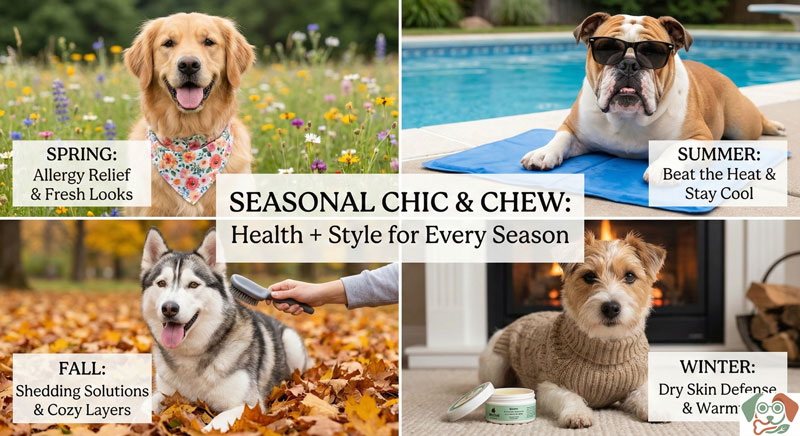
Fall Muddy Paws Routine: Prevent dull coat and keep your home aesthetic clean
Meta Description: Keep your dog’s coat shiny and your home clean this fall with a simple, humane muddy paws routine.
Quick Summary
- Create a fall-friendly mud zone at each entry with a mat, towels, and wipes.
- Wipe paws and brush daily; bathe every 4–6 weeks as needed for coat type.
- Use dog-safe cleaners and washable rugs to protect floors and keep odors down.
- Pair grooming with a gentle training plan and a consistent crate or containment routine.
- Check in with your vet if coat or skin issues persist or your dog shows signs of pain or illness.
Why This Matters for Your Dog
Fall weather brings mud, wet leaves, and damp coats. A simple routine helps your dog stay comfortable and healthy. Regular grooming supports a shiny coat, healthy skin, and reduces shedding in a manageable way. A tidy home lowers stress for you and your pet, especially in apartments or busy households. Most dogs enjoy predictable routines and positive reinforcement, which makes the routine easier to maintain.
Common Causes (Key Factors)
- Dull coat from dry air, poor nutrition, or uneven grooming.
- Mud and moisture causing skin irritation or odors if not wiped and dried.
- Inconsistent brushing, leading to tangles or mats, especially in longer coats.
- Over-bathing or using human or harsh products that dry skin.
- Wet paws tracking mud through the living area.
- Seasonal shedding and older dogs needing a gentler grooming approach.
Step-by-Step What To Do
1) Set up a fall mud zone
– Apartment: Use a small entryway rug, a washable mat, and a basket with wipes and towels near the door.
– Suburban home: Create a mud room area with a dedicated towel, a shallow bin for soapy water, and a boot tray or tray for wet paws.
– Have a short, calm habit: before stepping inside, your dog knows to sit or wait while paws are wiped.
2) Post-walk and wipe routine
– Keep dog wipes or a damp washcloth handy. Wipe each paw, between toes, and the underside of the paw pads.
– Dry with a clean towel to Prevent chilling and skin irritation.
– If paws are very muddy, wipe again after a minute to remove stubborn dirt.
3) Quick coat care and brushing
– Brush your dog at least 2–3 times per week. Short coats benefit from brushing for 2–5 minutes; long coats may need more time and a detangling spray.
– Use a brushing pattern that follows the coat type and your dog’s comfort. Reward with a treat after brushing to keep it positive.
4) Bathing and coat health
– Bathe every 4–6 weeks as needed, using a dog-safe shampoo. Avoid human soaps.
– Use a gentle conditioner if your dog has dry skin or a dull coat. Rinse well and dry completely.
– After baths, comb through to remove loose fur; a quick blow-dry on a warm, not hot, setting can help with fluff and dryness.
5) Foot care, nails, and ears
– Trim nails when you can hear them tap on the floor; most dogs need a trim every 3–6 weeks.
– Check ears for redness or discharge; wipe the outer ear with a mild, dog-safe solution if needed.
– Inspect paw pads for cracks or irritation, especially after winter or rainy days.
6) Home layout and cleanliness
– Use washable rugs or runners in high-traffic areas to catch mud.
– Vacuum or sweep floors regularly to minimize dirt and odor.
– Use enzyme cleaners for any accidents or wet spots to neutralize odors.
7) Nutrition and hydration
– Feed a balanced diet suited to your dog’s age, size, and activity.
– Ensure fresh water is available after outdoor play. Omega-3 fatty acids can help coat health—check with your veterinarian before adding supplements.
8) Training and routines
– Crate training or a gated area helps contain mess during busy fall weeks.
– Pair damp walks with calm, rewards-based routines to minimize stress and encourage good behavior.
– Use positive reinforcement to reward cleaning rituals (praise, a treat, a favorite toy).
9) Seasonal planning
– Consider lightweight dog boots for particularly muddy days, which can protect paws and reduce dirt inside.
– If you shop for gear, choose washable beds and easy-to-clean toys to maintain a tidy living space.
Mistakes to Avoid
- Over-bathing or using human shampoo; it can dry skin and dull the coat.
- Skipping paw wipes after wet walks, which lets mud sit and irritate skin.
- Using rough brushes or aggressive scrubbing, which can injure skin.
- Waiting too long to address red or irritated paws, ear issues, or coat dullness.
- Neglecting to dry the coat after rain or snow; damp fur can lead to cold discomfort.
When to Call a Vet or Certified Professional
- Persistent itching, redness, swelling, or hair loss beyond a normal seasonal shed.
- Sores, limping, or pads that crack or bleed.
- Unusual odor, discharge, or changes in skin tone.
- Sudden weight loss, lethargy, or appetite changes.
- If you suspect allergies or a health issue that a routine cannot fix.
Vet disclaimer: This post provides general grooming and care tips. For health concerns, please consult your veterinarian. If you notice persistent problems, seek professional advice promptly.
FAQs
- How often should I bathe my dog in fall?
-
Most dogs do well with a bath every 4–6 weeks, but adjust based on coat type, activity, and odors. Use a dog-safe shampoo and a gentle approach.
-
Are dog booties worth it in fall?
-
Booties can help keep paws clean and dry on muddy days, especially for dogs that slip on wet surfaces or have sensitive paws. Start slowly and reward wearing them.
-
How can I prevent mud from being tracked into the apartment?
-
Create a dedicated mud zone at entry, use washable mats, wipe paws, and have towels ready. Consider a small dry area for coats and leashes.
-
What’s a simple grooming schedule for a short coat vs. a long coat?
-
Short coat: brush 2–3 times weekly; bath every 4–6 weeks if needed. Long coat: brush 3–5 times weekly; bathe as needed and detangle regularly.
-
Should I consult a trainer for routine setup?
- Yes. A positive, reward-based trainer or behaviorist can help you design a gentle routine that fits your home (apartment or suburban) and your dog’s temperament.
This fall-focused routine helps you keep a shiny coat, a pleasant home, and a calm, happy dog. By taking small, consistent steps—wipe, brush, bathe, and reward—you create a comfortable daily rhythm for both you and your pup.