
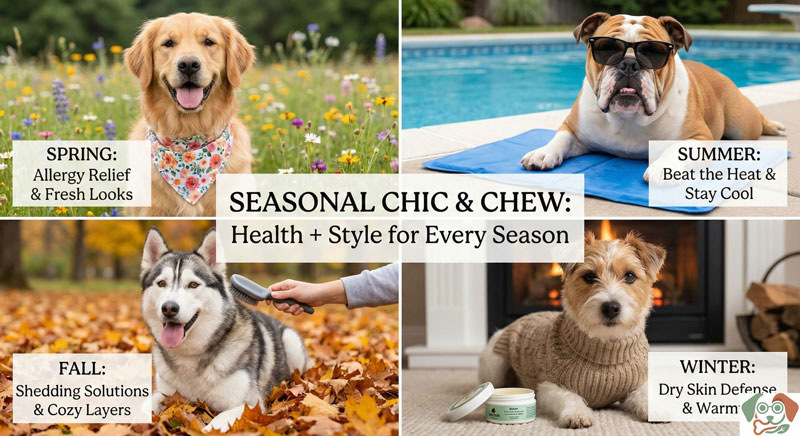
Meta description: Fall heat safety for dogs includes cooling vests and parsley hydration tips to ease seasonal allergy symptoms.
Quick Summary
- Use a properly fitting cooling vest on warm fall days to help your dog stay comfortable.
- Hydration matters. Offer fresh water daily and consider parsley in small, very occasional amounts with veterinary guidance.
- Minimize allergy exposure: wipe paws, brush coats, and time outdoor activities for lower pollen.
- Make the routine gentle and reward-based. Start slowly with new gear and habits.
Why This Matters for Your Dog
Autumn weather can be tricky. Some days feel warm, and dogs still overheat easily if they’re active outside. Fall also brings pollen from trees and grasses, plus mold spores in leaves and damp spots. These can set off seasonal Allergies in dogs—itchy skin, red eyes, sneezing, and rubbing. A cooling vest helps regulate body heat during outdoor walks or play. Parsley hydration tips offer a small, pet-safe herb option to mix into water or food, but they’re not a cure and should be used sparingly. Pairing cool comfort with steady hydration and smart exposure to outdoors supports everyday health for most dogs.
Key Factors
- Temperature swings: Warm afternoons and cooler evenings can trap your dog between overheating and chill.
- Allergens: Tree and weed pollen, mold from fallen leaves, and dust in outdoor areas.
- Hydration: Dogs drink less when they’re not very thirsty or when water isn’t appealing. A steady water plan matters.
- Gear and routine: A well-fitting cooling vest, gradual acclimation, and predictable daily routines reduce stress.
- Home setups: Apartments vs. suburban homes change how you manage outdoor time, crate space, and airflow.
Step-by-Step What To Do
1) Choose a cooling vest that fits your dog. Measure chest girth and back length. Look for adjustable straps and breathable fabric. Ensure it’s snug but not tight. Have a plan to keep valuables like the vest, leash, and wipes handy near the door.
2) Introduce the vest gradually. Start with 5–10 minutes indoors, then praise and treat. Increase by a few minutes every day as your dog tolerates it. Reward calm behavior and wearing the vest.
3) Dress rehearsals before outdoor outings. In an apartment setting, you can practice wearing the vest inside while you offer a favorite treat. In a suburban home, you can wear it for short yard sessions before a walk.
4) Hydration plan that fits fall routine. Always provide fresh water. For a little variety, you can add a splash of low-sodium broth or mix in wet food to boost moisture. Parsley tip: in very small amounts, chopped parsley can be added to water or food for aroma and a tiny nutrient boost. Do not rely on parsley for hydration or Allergy Relief. Watch for any digestive upset and stop if it occurs. If you’re unsure, check with your vet first.
5) Parsley introduction and safety reminders. Use only very small amounts and only occasionally. parsley is not a substitute for water and should never replace a vet-approved hydration plan. Some dogs may have sensitive stomachs or conditions that make herb additions unwise. Always ask your vet before adding herbs to your dog’s diet, especially if your dog has kidney or liver concerns.
6) Manage outdoor pollen exposure. In fall, choose times with lower pollen counts—early morning or after a rain. Wipe paws and clean coats after outdoor time. A quick rinse or wipe with a damp cloth can cut down on indoor pollen. For apartments, keep windows closed on high pollen days; for suburban homes, consider a porch or entry mat to catch pollen before it’s tracked inside.
7) Exercise smartly. Shorter, frequent walks are better than long, intense sessions on warm afternoons. Offer water breaks every 10–15 minutes and let your dog cool down before heading back inside. If your dog is heat sensitive, skip the hottest part of the day.
8) Grooming and crate sanity. Brush regularly to remove pollen and loose hair. A cool, well-ventilated crate with a thin cooling mat can help during rest times. Keep the crate in a shaded area or near a fan for air circulation.
9) Vet check-ins and allergy talk. Schedule your annual wellness visit and discuss Seasonal Allergies with your vet. If your dog shows itchy skin, persistent sneezing, ear rubbing, or eye discharge, bring examples to your appointment (photos of symptoms, note on timing, and any new foods or treats).
10) Gentle training, reward-based methods. Praise and treats help your dog associate the vest and new routines with comfort, not stress. If your dog resists, shorten sessions and build up gradually. Reward calm behavior and step back if needed.
Safety note: This article is for information only. It does not replace professional veterinary advice, diagnosis, or treatment. If you have health concerns about your dog, contact your veterinarian.
Mistakes to Avoid
- Don’t skip acclimation. Jumping into long wear without gradual exposure can lead to stress or resistance.
- Don’t rely on parsley as a primary hydration or allergy solution. Use it sparingly and only with vet guidance.
- Don’t ignore signs of overheating. Heavy panting, drooling, or collapse require immediate attention.
- Don’t choose a vest that’s too tight or too loose. Fit matters for cooling effectiveness and safety.
- Don’t forget consistent water access. A dry mouth across the day means you need more frequent water breaks.
When to Call a Vet or Certified Professional
- If your dog shows signs of heat stress: excessive panting, weakness, confusion, vomiting, or collapse.
- If allergy symptoms persist or worsen: red, itchy skin; persistent ear infections; frequent sneezing or coughing.
- If you’re unsure about herbs, including parsley, or if your dog has kidney, liver, or pregnancy concerns.
- If you notice severe dehydration or a sudden change in appetite or energy.
FAQs
- Can cooling vests be used on all dogs? Most dogs can wear cooling vests when fitted properly, but check with your vet if your dog has a medical condition or is very elderly.
- Is parsley safe for dogs? In small amounts, parsley is generally safe for many dogs, but it’s not a replacement for medical care or hydration. Some dogs may have sensitivities or health issues where parsley is not advised. Always confirm with your vet.
- How do I size a cooling vest? Take precise measurements of chest girth and back length. Check the manufacturer’s size chart and read customer reviews for fit guidance.
- How often should I wash the vest? Follow the label. Generally, air-dry after washing and store in a clean, dry place.
- Are there alternatives to parsley for hydration or breath freshening? Fresh water remains best; consult your vet about safe herb options if you’re curious about alternatives.
Taking these simple, kind steps can help you support your dog through fall’s changing weather and pollen. With a welcoming vest, steady hydration, and a calm, reward-based routine, your dog can stay comfortable, active, and happy—whether you’re in a city apartment, a townhome, or a spacious suburban yard.