
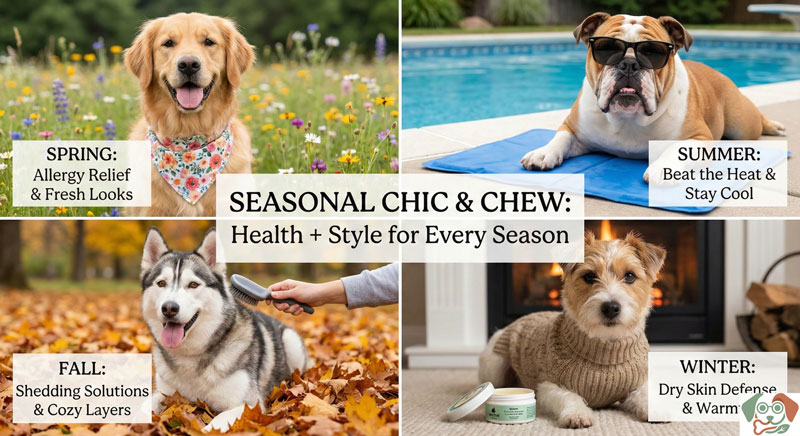
Fall Coat Care Routine: Support a Shinier Coat and Prevent Chafing in One Plan
Meta description: A simple, beginner-friendly fall coat care routine to boost shine and prevent chafing for dogs, whether you live in an apartment or a suburb.
Quick Summary
- Brush daily for 5–10 minutes to boost shine and catch early irritation.
- Bathe every 4–6 weeks with a dog-safe shampoo; finish with a quick dry and gentle brush.
- Check collars, harnesses, and mats to prevent rubbing and chafing.
- Support coat health with good nutrition and vet-approved supplements if needed.
- Use humid air and comfortable routines to reduce dryness at home.
- Tailor steps to your home: apartment routines differ from a suburban yard rhythm.
Why This Matters for Your Dog
A shiny coat is a sign of healthy skin and good nutrition. Fall weather and indoor heating can dry skin and dull fur. Regular grooming helps prevent Hot Spots, mats, and chafing from harnesses or collars. A consistent routine reduces stress for most dogs and fits easily into everyday life—whether you live in a small apartment or a bigger home with a yard.
Key Factors (Common Causes)
- Dry indoor air from heating systems in fall and winter.
- Friction from collars, harnesses, or rough bedding.
- Seasonal shedding and matting in areas like behind ears or under the legs.
- Skin irritation from allergies, fleas, or irritants.
- Inconsistent brushing or bathing schedules.
- Inadequate hydration or imbalanced nutrition.
Step-by-Step What To Do
Step 1 — Daily brushing (5–10 minutes)
– Pick a brush that suits your dog’s coat (slicker, bristle, or rubber brush).
– Brush in the direction of hair growth. Be gentle around sensitive areas.
– While brushing, do a quick skin check: look for redness, bumps, or dryness.
– Apartment tip: do this after your dog settles in at night; it can be a calm bonding routine. Suburban tip: turn brushing into a short evening ritual after playtime.
Step 2 — Weekly coat check and mat care
– Look for mats behind ears, under the legs, and at the tail base.
– If you find a tangle, gently work it apart with your fingers or a wide-tooth comb. Avoid pulling.
– Note any red spots, flaking skin, or dull patches and plan a vet visit if anything seems unusual.
Step 3 — Bathing schedule (every 4–6 weeks, or as advised)
– Use a dog-specific shampoo. Avoid human shampoos and hot water.
– Wet thoroughly, lather gently, rinse completely, and dry well.
– After a bath, brush again to prevent new tangles as fur dries.
– For between baths, you can use a dog-safe waterless wipe or spray to keep fur fresh.
Step 4 — Leave-in conditioning or coat spray (as recommended)
– Talk with your vet about a dog-safe leave-in spray or conditioner.
– Lightly mist on the coat after bathing or during grooming sessions.
– Focus on the lower parts of the chest and legs where dryness can feel more obvious.
Step 5 — Nutrition and supplements (vet-guided)
– Feed a balanced diet appropriate for age, size, and activity.
– Some dogs benefit from omega-3 fatty acids for Coat Shine. Check with your veterinarian before adding supplements.
– Always follow your vet’s guidance for any new supplement or change.
Step 6 — Protect and check gear for chafing
– Inspect collars and harnesses for rubbing marks or worn spots.
– If rubbing occurs, try a wider or padded harness, or adjust fit.
– Consider a dog shirt or protective sleeve for areas prone to chafing during long walks.
Step 7 — Environment and humidity
– Fall dryness hurts skin; a humidifier can help 40–50% indoor humidity.
– Fresh water should always be available; provide more during longer play sessions.
Step 8 — Exercise and crate routine
– Regular walks, play, and crate time support mental well-being and reduce stress that can affect skin.
– After dog park or off-leash play, check for burrs, grass seeds, or skin irritation and clean as needed.
Step 9 — Seasonal checks
– As temps drop, monitor for dry skin on elbows, paws, and ears.
– Apply paw balm or a light skin-safe moisturizer if recommended by your vet.
What this looks like in two U.S. homes
– Apartment living: short daily grooming sessions, quick baths every 4–6 weeks, use a light leave-in spray, and keep gear simple (one harness and a comfortable collar). Use door-time routines to pair brushing with positive rewards.
– Suburban home: longer weekend grooming sessions, more outdoor play, and a bit more space to move during brushing and coat checks. A humidifier in a main living area helps if indoor air gets dry.
Vet disclaimer: This article is informational. For persistent skin issues, itching, or new spots, consult your veterinarian before changing routines or adding supplements.
Mistakes to Avoid
- Brushing too hard or too quickly, which can irritate skin.
- Using human shampoo or washing too frequently.
- Skipping brushing, which allows mats and irritations to develop.
- Neglecting harness or collar fit, causing ongoing chafing.
- Ignoring changes in coat color, texture, or patches of thinning fur.
- Relying on one-size-fits-all supplements without vet guidance.
When to Call a Vet or Certified Professional
- Red, swollen, or oozing skin; open sores or hot spots.
- Severe itching that doesn’t ease with basic care.
- Hair loss beyond typical seasonal shedding or unusual patches.
- New lumps, bumps, or changes in skin texture.
- Any concerns about allergies, fleas, or parasites.
- If you plan to add supplements or change diet, get a vet’s okay first.
Note: If your dog has known skin or endocrine issues, maintain your regular veterinary schedule and discuss coat care during visits.
FAQs
-
Can I use human shampoo on my dog?
No. Human shampoos can irritate a dog’s skin. Use a pH-balanced dog shampoo. -
How often should I brush my dog?
Daily brushing is ideal for most dogs, especially in fall. If your dog has a short coat, you can do 3–4 times a week, but try not to skip longer than a day or two. -
Is coconut oil okay for coat shine?
Some dogs tolerate small amounts, but speak with your vet first. Use only small, pet-safe amounts if advised by a professional. -
Do I need special diet changes for coat health?
Not always. A balanced diet with quality protein and fats helps. If you suspect a deficiency or have signs of skin issues, ask your vet about omega-3 or other targeted nutrients. -
How can I help my dog hate baths?
Make baths short and positive. Use treats, a non-slip mat, and warm water. Reward calm behavior during and after baths.
This fall coat care plan gives you a simple, one-plan approach that fits most homes and routines. With consistent brushing, gentle grooming, proper gear, and vet-guided nutrition, you can help your dog’s coat stay shiny and comfortable all season long.