
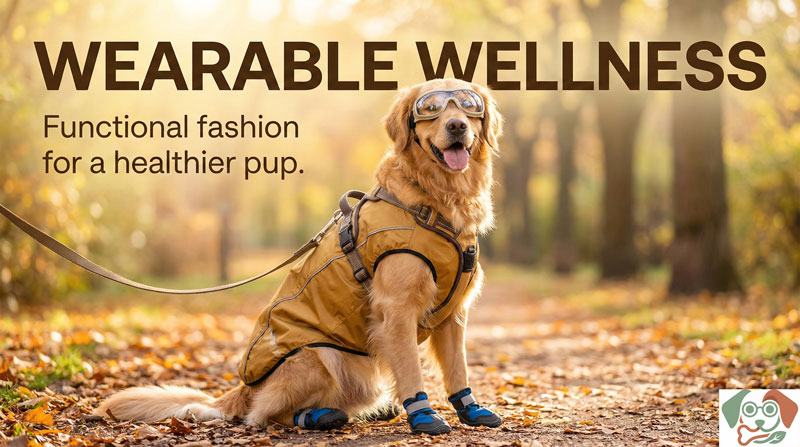
Meta description: Protect your dog’s eyes from wind and UV on city walks with doggles. Easy tips for safe, happy outings.
Quick Summary
- Doggles shield eyes from wind, sun, and debris during city walks.
- They can reduce irritation and Hot Spots caused by sun exposure and rubbing.
- Choose the right size, introduce gradually, and use humane, reward-based training.
- Fit for apartments or suburban homes; pair with a routine, vet checks, and crate training when needed.
- Know when to seek professional care for eye or skin concerns.
Why This Matters for Your Dog
On busy city sidewalks, dogs face wind, dust, and bright sun. Rubbing eyes and squinting can lead to irritation, tearing, and even hot spots around the eyes and muzzle. UV exposure can irritate delicate corneas over time, especially for dogs with light-colored eyes or thin fur around the eyes. Doggles provide a practical, comfortable way to protect eyes during daily walks, outdoor adventures, and trips to the dog park. With a calm introduction and proper fit, most dogs accept them as part of their outdoor routine and you’ll notice less rubbing and fewer irritated patches after walks.
Common Causes (Key Factors)
- Wind and debris hitting the eye area, causing irritation.
- Sun glare and UV exposure leading to squinting and rubbing.
- Hot spots formed from scratching, licking, or rubbing around the face after sun or wind exposure.
- Breed-specific sensitivities: dogs with light eyes or short eyelashes may need extra Eye Protection.
- Everyday routines: apartment digs vs. suburban car rides can change exposure levels.
Step-by-Step What To Do
1) Pick the right doggles
– Look for lightweight frames, snug but not tight straps, and tinted lenses designed for dogs. Some styles come with adjustable noses and cheek spacers for comfort.
– Choose a size that covers the outer corners of the eyes without blocking vision. If you’re between sizes, opt for the larger and tailor fit with the strap.
2) Measure and fit at home
– Measure your dog’s widest face from cheekbone to cheekbone, and check the nose bridge fit per the product guide.
– In an apartment or small space, practice the fit this weekend after meals when your dog is calm.
– Put the goggles on briefly, offer a treat, and praise. Do two short sessions per day for a week, gradually increasing wear time.
3) Introduce gradually with reward-based training
– Begin at 5–10 minutes, in a low-distraction area, inside your home or a quiet yard.
– Use gentle treats and calm praise. If your dog shows stress, remove the goggles and try again later.
– Pair wearing doggles with simple rewards, like a quick game of fetch or a walk start, so it becomes a positive cue.
4) Make city walks part of the routine
– For apartment living: keep a small bag with doggles near the door; after wakeup or before a walk, quick fitting, then head out.
– For suburban homes: practice on slower routes first near quiet streets, then progress to busier sidewalks and parks.
– Use a consistent cue word when you put them on, such as “eyes up” or “sunny.”
5) Clean and care
– Wipe lenses with a soft microfiber cloth after walks. If needed, use a gentle dog-safe wipe.
– Check for scratches, cracks, or looseness of straps weekly.
– Store in a cool, dry place away from direct sun.
6) Pair with a complete safety routine
– Combine with a harness and leash, and ensure proper fit of collars or harnesses for city traffic.
– If you’re taking your dog to dog parks, bring a spare set of goggles or take breaks if you see rubbing or tearing.
– For apartment dwellers, create a nighttime eye-care routine: wipe around the eyes if there’s any discharge or buildup, and consult a vet for persistent symptoms.
7) Veterinary and professional checks
– Schedule routine eye exams during annual wellness visits.
– If you notice persistent redness, swelling, discharge, squinting, or pawing at the eyes, seek veterinary advice promptly.
Mistakes to Avoid
- Buying the wrong size or style and forcing them on your dog.
- Assuming all dogs tolerate doggles immediately; gradual exposure is key.
- Using human sunglasses or poorly fitting goggles that press on the eyes.
- Skipping cleaning; dirty lenses irritate eyes and reduce visibility.
- Rushing crate or car rides without a proper introduction—keep safety first during outings.
When to Call a Vet or Certified Professional
- If you see ongoing redness, swelling, discharge, or signs of eye pain, or if the dog rubs the eyes excessively despite wearing doggles.
- If there are changes in vision, squinting, or a corneal injury suspected after a windy walk.
- For persistent skin irritation around the eyes or muzzle, which could indicate dermatitis or an allergic reaction.
- This information is not a diagnosis. Use it as a guide, and contact your vet for professional advice and a tailored care plan.
FAQS
- Do doggles work for all breeds? Most dogs can adapt with gradual, positive introduction. Some breeds with very prominent eyes or particular head shapes may need specialty fits.
- How do I measure for fit? Use the manufacturer’s sizing guide; measure cheek-to-cheek width and nose bridge comfort. If in doubt, choose the larger size or try a flexible frame.
- How long should my dog wear them? Start with 5–10 minutes, then slowly add time as they become comfortable.
- Will they fog up? Some models have anti-fog lenses; ensure proper ventilation and a snug but not tight fit.
- Can I use any eyewear? Not recommended. Human glasses can be heavy, have wrong lens tinting, and can injure the dog. Use products designed for dogs.
- How do I clean them safely? Wipe with a soft cloth and dog-safe cleaner if needed; avoid abrasive wipes.
If you’re an everyday American pet parent juggling apartment life or a busy suburban schedule, doggles can be a simple, practical addition to your dog’s daily routine. They’re not magic, but when used properly with positive reinforcement and consistent care, they help protect your dog’s eyes and reduce sun- and wind-related discomfort during city walks. Pair them with a calm introduction, regular vet visits, and a well-rounded daily routine—crate training if needed, hydration breaks, and play—to keep your dog happy, healthy, and ready for the next neighborhood stroll.