
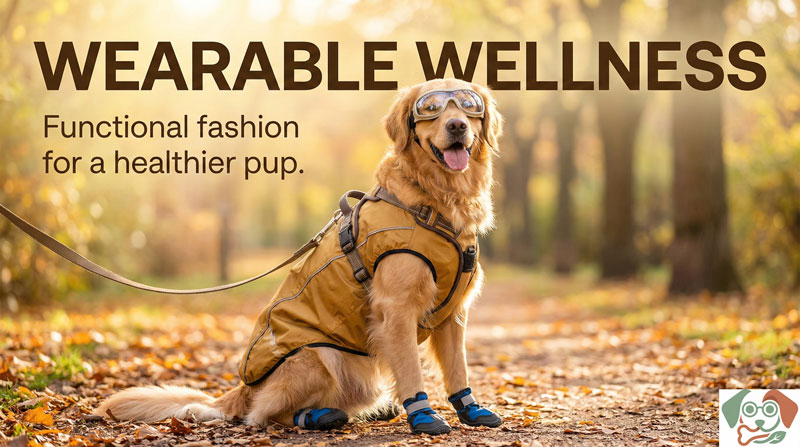
Cooling Vest Reality Check: Does It Prevent Weight Gain During Summer Park Playdates
Meta description: Explore whether cooling vests help with weight management for dogs during summer park playdates.
Quick Summary
- Cooling vests help with heat management, not automatically with weight loss.
- Weight gain is mainly a balance of calories in and calories burned.
- Use a cooling vest as part of a broader plan: schedule, exercise, feeding, and vet guidance.
- Real-life tips: tailor routines to apartment or suburban homes, include crate rest, and stay hydrated.
Why This Matters for Your Dog
Hot summer days slow dogs down and can disguise quick weight gain. When dogs overheat, they may reduce activity, eat more out of stress, or skip lean muscle building. A cooling vest can help your dog enjoy park play more comfortably, but it isn’t a magic fix for weight management. Pair it with steady routines, smart feeding, and regular vet checks to keep your dog fit and happy.
Key Factors (Common Causes)
- Calorie balance: too many treats or portions for the level of activity.
- Weather and routines: heat shortens outdoor play and can reduce overall movement.
- Health issues: hypothyroidism, arthritis, or other conditions can affect weight.
- Age and breed: seniors or low-energy breeds may gain weight more easily.
- Hydration and comfort: dehydration or overheating can limit safe exercise.
- Training and enrichment: active games burn more calories than passive time.
Step-by-Step What To Do
1) Start with a simple health check
– Weigh your dog at home or at the vet’s office every 4–6 weeks.
– Note body condition: you should be able to feel ribs without excess fat and see a waist when viewed from above.
– If you notice rapid changes, schedule a vet visit to rule out health issues.
2) Set a practical goal
– Decide on a gentle weight-management target with your vet.
– Plan a daily movement routine that fits your home type (apartment or suburban) and climate.
3) Choose and fit a cooling vest correctly
– Pick the right size: measure neck and torso, then follow the manufacturer’s sizing chart.
– Fit should be snug but not restrictive; you should be able to slide a finger under the vest.
– Introduce the vest in a calm setting for short periods, then gradually extend wear time during cooler parts of the day.
– For apartment dogs, use the vest during short outdoor jaunts or balcony play; for suburban dogs, use it during walks and park visits on hot days.
4) Build a smart summer routine
– Schedule outdoor activity in early morning or late evening when temperatures are cooler.
– Include short, frequent play sessions instead of one long, intense session.
– Add enrichment activities indoors on very hot days (scent games, puzzle toys, training drills).
– Always provide fresh water and shade. Use a collapsible bowl for parks.
5) Tailor feeding to activity and heat
– Measure portions consistently; use a timer or a measured cup.
– Reduce calories slightly if outdoor activity drops due to heat, but never cut drastically without veterinary guidance.
– Save higher-value treats for training rewards, not free-roaming snacking.
– Consider a vet-approved weight-management plan if needed.
6) Keep dog parks safe and comfortable
– Bring water, a shade mat, and a cooling towel for hot days.
– Limit off-leash time if your dog tires easily or shows heat signs.
– Watch for signs of overheating: heavy panting, bright red gums, staggering, or vomiting.
– Have a plan to leave the park quickly if your dog shows stress signs.
7) Crate training and rest
– Use a crate or quiet, cool corner for breaks between play sessions.
– A cool floor, a fan, or a cooling mat can help during rest times.
– Respect your dog’s pace; rest when they need it.
8) Record-keeping and adjustments
– Track weight, activity, and feeding on a simple journal.
– Note how the vest affects comfort and play tolerance.
– Adjust exercise and portions every few weeks based on results and vet advice.
Mistakes to Avoid
- Relying on the vest as a sole weight-loss tool.
- Assuming any heat relief replaces physical activity and proper feeding.
- Ignoring signs of overheating or dehydration.
- Overfeeding treats or giving high-calorie snacks to cope with heat.
- Skipping vet visits when weight or health concerns arise.
- Using a vest that doesn’t fit well or causes discomfort.
When to Call a Vet or Certified Professional
- Your dog is steadily gaining weight despite routine care, or you’re unsure how to adjust portions.
- You notice persistent overheating, vomiting, diarrhea, lethargy, or fainting signs after heat exposure.
- Your dog has chronic conditions (arthritis, diabetes, thyroid issues) that affect weight or heat tolerance.
- You want a professional plan for weight management, exercise, and diet.
Safety notes: This blog does not provide medical diagnosis or medication advice. If you have health concerns, consult your veterinarian. For training and safety, use humane, reward-based methods and progress at your dog’s pace.
FAQs
Q: Do cooling vests prevent weight gain?
A: Cooling vests help with heat comfort and can support outdoor activity, but they don’t directly prevent weight gain. Weight control comes from balanced feeding and regular, appropriate exercise.
Q: How do I choose the right size?
A: Measure neck and chest girth, compare to the vest’s size chart, and check fit with your dog standing. The vest should be snug but not tight.
Q: Are cooling vests safe for dogs with sensitive skin?
A: Look for vests with breathable fabric and soft seams. Watch for irritation; if you see redness or itching, remove the vest and consult your vet.
Q: Can cooling vests be used indoors?
A: Yes, during hot days or in warm apartments, they can help keep dogs comfortable during activity or crate rest.
Q: How do I clean a cooling vest?
A: Hand wash or machine wash as directed by the manufacturer, and air dry completely before reuse.
Q: Should I change feeding if I use a vest during play?
A: If play becomes more comfortable and frequent, you may need to adjust portions gradually. Do this with veterinary guidance to avoid rapid weight changes.
In short, a cooling vest can be a helpful tool for heat tolerance and more comfortable summer park play, but it’s part of a broader plan. Combine proper fit, smart scheduling, hydration, crate-ready rest, and balanced feeding to support healthy weight for your dog. With steady, humane steps, you can help your canine companion enjoy sunny days without the extra pounds creeping in.