
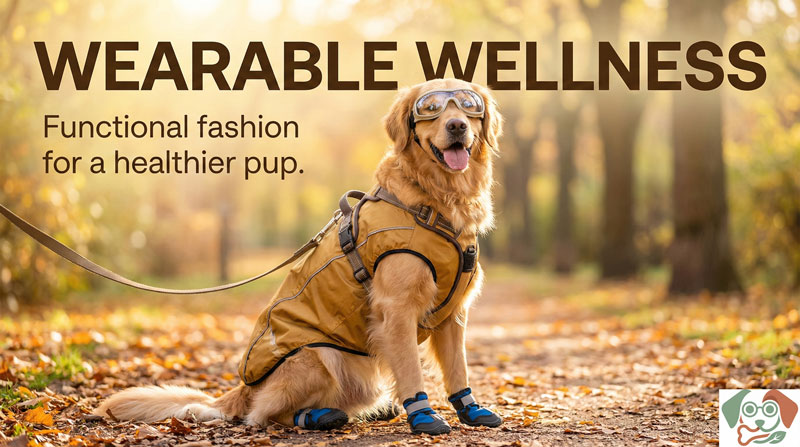
Meta description: Do cooling vests prevent arthritis? Practical, beginner-friendly guidance for keeping dogs safe on summer hikes.
Quick Summary
- Cooling vests can help reduce heat stress during hot hikes, but they don’t prevent arthritis.
- Use a well-fitted vest, introduce it gradually, and pair it with good hydration and rest.
- For joint health, focus on weight management, gentle conditioning, and regular vet checkups.
- Tailor routines to your home—apartment or suburban yard—and adapt for dog parks, crate training, and vet visits.
Why This Matters for Your Dog
In summer heat, dogs can overheat fast, especially on hikes. Overheating can stress joints and worsen discomfort for dogs with existing arthritis or a tendency toward joint stiffness. A cooling vest is a tool to help manage temperature, not a cure for joint disease. Pair it with steady conditioning, proper rest, and a veterinary plan. If you’re a new dog parent, you’ll benefit from simple steps you can do at home and on short outings before longer hikes.
Key Factors (Common Causes of Heat-Related Strain and Joint Stress)
- Heat and humidity during outdoor time
- Overexertion on steep trails or long distances
- Inadequate hydration or cooling breaks
- Obesity or seasonal Weight Gain increasing joint load
- Inconsistent warm-up and cool-down routines
- Ill-fitting gear that chafes or restricts movement
- Existing joint issues that need veterinary guidance
Step-by-Step What To Do
1) Pick a quality cooling vest
– Look for a breathable outer fabric, a snug but not tight fit, and easy fasteners.
– Choose a vest with adjustable straps and a moisture-retaining layer to stay cool longer.
– Ensure it covers the chest and back without restricting movement.
2) Measure and fit at home
– Have your dog stand squarely. Measure chest girth (behind the front legs) and back length.
– Compare measurements to the vest size chart. Try on indoors first to check for rubbing or slipping.
– Fasten snugly but not tight. You should fit a finger between strap and body.
3) Introduce the vest slowly
– Start with 5–10 minutes inside the apartment or on a shaded balcony.
– Gradually increase wear time over several days. Watch for rubbing, overheating, or stress.
– Pair the first wear with gentle pets, treats, and calm praise to create a positive association.
4) Plan a short, cool outdoor routine
– Early mornings or later evenings are best in hot climates; avoid peak sun.
– Before a walk, offer water, a quick potty break, and a short leash intro.
– During the hike, take regular shaded breaks every 15–20 minutes or sooner if your dog shows signs of fatigue.
5) Hydration and cooling on the move
– Bring fresh water and a collapsible bowl.
– If you use the vest, you can alternate wearing and resting to Prevent chilling or overheating.
– Allow your dog to cool down naturally after the walk; don’t rush into stairs or crates.
6) Post-hike care and crate routines
– Offer a calm, cool space for rest; a crate can work well if it’s comfortable and well-ventilated.
– Use a gentle massage or a warm (not hot) towel on joints if your dog enjoys it, but stop if there’s any sign of discomfort.
– Check their paws for heat or debris after hikes; clean and dry to prevent irritation.
7) Regular vet checks and joint-health habits
– Schedule routine checkups to monitor weight, mobility, and pain signs.
– Discuss a practical plan for weight management and safe exercise.
– Ask about joint-supportive options, such as veterinarian-approved supplements or therapies, and never start medications without a vet’s guidance.
8) Apartment vs. suburban routines
– In an apartment, keep walks shorter but more frequent on hot days; use the vest during those outings.
– In a suburban home with a yard, you can allow quick play sessions in the shade and supplement with short leash hikes that begin with a vest on.
Mistakes to Avoid
- Wearing the vest too long or too tight, causing discomfort or overheating.
- Relying on the vest alone to manage arthritis or joint pain.
- Skipping hydration breaks or ignoring signs of heat distress (heavy panting, drooling, slowed movement).
- Forcing longer hikes than your dog can handle, especially with a heavier load or brain fog from heat.
- Skipping vet guidance when arthritis signs appear or if weight is a concern.
When to Call a Vet or Certified Professional
- Your dog shows persistent limping, swelling, or new stiff movements.
- You notice unusual fatigue, disorientation, vomiting, or heat stress signs during or after a hike.
- Joint pain or stiffness lasts beyond a few days despite rest and gentle activity.
- You’re unsure about the right exercises, weight targets, or a safe conditioning plan.
- Always include a vet disclaimer: this blog offers general guidance. It does not diagnose medical conditions or replace professional advice. If you’re worried about arthritis or heat safety, contact your veterinarian promptly.
FAQs
- Can a cooling vest prevent arthritis? Not by itself. It helps reduce heat stress, which supports overall comfort, but arthritis prevention requires weight control, conditioning, and veterinary guidance.
- How do I know if the vest fits? Check that you can slip a finger between the strap and body, and ensure the vest covers the chest and back without restricting movement.
- How long should my dog wear it on a hike? Start with short periods and monitor comfort; many dogs do well with 15–20 minute segments plus breaks, adjusted by how they respond.
- Are cooling vests safe for puppies? Use age-appropriate sizes and ensure gradual introduction. Do not leave a vest on a puppy for long periods; supervise closely.
- What else helps with joint health on hot days? Maintain a healthy weight, provide moderate, low-impact exercise (like walking and swimming if accessible), and follow your vet’s recommendations for joint supplements or therapies.
Bottom line: a cooling vest is a helpful tool to reduce heat stress during summer hikes, but it’s not a cure for arthritis. Use it as part of a broader, humane plan that includes gradual conditioning, weight management, hydration, and regular vet care. With thoughtful setup—whether you live in an apartment or a suburban home—you can enjoy safer, more comfortable outdoor adventures with your dog.