
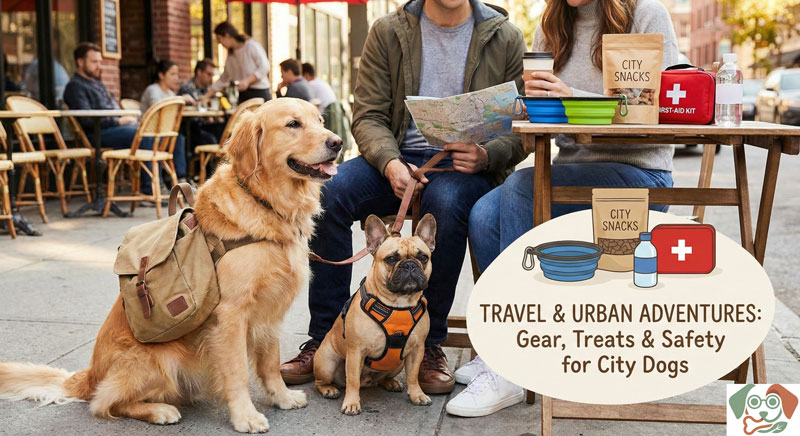
City walk essentials: long line setup to avoid slippery paws on pavement
Meta description: Practical guide for U.S. dog owners on using a long line to protect paws and boost confidence on slick city sidewalks.
Quick Summary
- A long line (15–20 feet) gives your dog space while you stay in control on slippery city sidewalks.
- Use a secure harness, not just a collar, and check the pavement for traction before stepping out.
- Practice indoors first, then slowly add outdoor time on quiet streets, building to sidewalks and parks.
- Include routine city walks in apartments and suburban homes, crate training, vet visits, and safe dog park rules.
- Avoid common mistakes and know when to seek professional help.
Why This Matters for Your Dog
City sidewalks can be slick, hot, or icy. Slips can injure paws or joints and lead to sudden pulls that hurt your dog’s neck. A long line gives your dog freedom to sniff and explore, while you retain safety and control. Routine, humane training builds confidence and reduces stress for you both. With the right setup, city walks become a calm, enjoyable part of daily life.
Key Factors
- Environment: urban sidewalks, crosswalks, and stairs vary in texture and traction. Suburban streets may have longer blocks but more cars and dogs to greet.
- Gear: a well-fitted harness, a sturdy 15–20 ft line, and a comfortable clip system matter. Avoid retractables for city safety.
- Surface care: check for hot asphalt in summer or icy patches in winter; temp and texture affect paw comfort.
- Training method: reward-based, humane methods work best. Patience and short practice sessions pay off.
- Routine integration: pair city walks with crate time, meals, and vet visits to build balanced days.
Step-by-Step What To Do
1) Pick the right gear
– Choose a well-fitted harness with two attachment points. A front-clip can help reduce pulling.
– Select a 15–20 ft braided or coated long line. Avoid thin cords that tangle.
– Use a comfortable, padded handle behind your hip to keep line management natural.
2) Prepare for the walk
– Inspect sidewalks for slick patches, ice, or loose gravel. If the surface looks risky, use paws protectors or skip the walk.
– Check paws and nails at home; trim nails as needed so traction stays good.
3) Start indoors or in a safe, low-stim area
– Practice a few minutes with the line attached but loose.
– Reward calmly when your dog stays with you or comes back after a cue.
4) Move to a quiet outdoor space
– Choose a calm block or park edge first. Maintain gentle, consistent pace.
– Let your dog explore within the 15–20 ft zone. Use treats and praise to reinforce calm walking.
– Keep line tension light; never yank. If your dog pulls, pause and redirect with a cue like “walk” or a treat lure.
5) Gradually increase exposure
– Extend practical exposure to sidewalks with moderate traffic, one block at a time.
– If the surface feels slippery, shorten the line temporarily and proceed slowly.
– Bring water, a towel for damp paws, and plan for rest breaks.
6) End with a calm routine
– Finish with a short, easy training session at home. Crate time or a puzzle toy helps reinforce calm behavior after the walk.
7) After-walk care
– Wipe paws if needed; check for burrs or cuts.
– Dry the line and harness to Prevent wear from moisture.
Mistakes to Avoid
- Letting the line become taut near street edges or when your dog is near traffic.
- Yanking or forcing movement to “tire” your dog. Reward calm cooperation instead.
- Using a retractable leash in city settings; it reduces control on slick surfaces.
- Forgetting to check heat, ice, or rough textures before stepping out.
- Ignoring signs of fatigue or discomfort; rest days are important.
When to Call a Vet or Certified Professional
- If you notice limping, persistent limp after a walk, or paw pad redness, swelling, or cracks.
- If your dog shows signs of severe anxiety, dizziness, or disorientation on city walks.
- If there’s any bleeding, deep cuts, or suspected burns from hot pavement.
- This is not a diagnosis. See a vet for health concerns and follow their guidance. For training, a certified trainer or behaviorist can help with leash manners and desensitization plans.
Real-Life Scenarios: Apartment vs Suburban Living
- Apartment: Hallways can be slippery; start indoors with the long line, then move to a nearby courtyard or quiet street. Short, frequent sessions fit tight schedules. Use crate time for rest after the walk.
- Suburban home: Longer blocks offer gradual exposure. Build a habit of city walk days—same time, same route—to reduce novelty. Park visits can be added on weekends with a long line in hand and a buddy dog under control.
- Routine examples: Morning potty walk with a 10–15 minute leash session, midday sniff-and-stroll on a short block, evening playground visit on-leash for safety.
- Vet visits: regular nail trims, paw pad checks, and joint health checks support safe walks. Bring notes on any changes in walking behavior.
- Crate training: Use crate time for calm rest after walking; keep a water bowl and a chew toy handy at home to ease transition.
FAQs
- How long should my long line be? Aim for 15–20 feet. Longer lines offer more freedom but require greater control.
- Should I use a collar or a harness? A harness is safer for most dogs, especially on slippery surfaces, as it protects the neck and distributes force.
- What if the pavement is too hot? Avoid walk days when asphalt is scorching. Seek cooler times (early morning or late evening) or use protective booties.
- Can I still walk my dog off-leash in the city? In most city environments you should stay on a leash. If you live in a dog-friendly, fenced area, follow local rules and always supervise.
- How does crate training relate to city walks? A calm, rested dog handles urban walks better. Crate time helps with rest, reduces excitement, and supports consistent routines.
With these practical steps, you can make city walks safer and more enjoyable for your dog. A well-chosen long line, humane training, and a steady routine help your dog stay confident, protected, and ready for everyday adventures.