
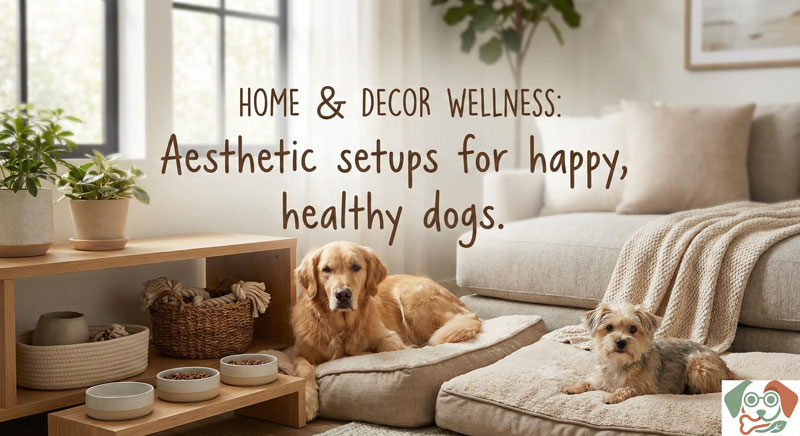
The chic calm corner: Reduce reactivity with textures, chews, and quiet routines
Meta description: Create a chic calm corner with textures, safe chews, and predictable routines to help your reactive dog stay relaxed at home.
Quick Summary
- Build a dedicated calm corner with comfy textures, a chew-friendly toy, and a quiet mat.
- Use rewards and gentle exposure to triggers to teach calm responses.
- Tailor the setup to your home—apartment or suburban—and keep routines predictable.
- Prioritize humane, reward-based training and daily safety.
Why This Matters for Your Dog
Reactive dogs can respond strongly to sights, sounds, or people. A calm corner gives them a safe, predictable space where they can unwind. Textures and chews engage their senses in a positive way, while quiet routines reduce surprise and stress. A humane, reward-based approach helps your dog learn that calm is rewarding, not punished.
Common Factors
- Triggers: doorbells, other dogs, people walking outside, or noises from outside.
- High arousal: quick, startling movements or crowded spaces.
- Limited outlets: not enough safe chew toys or sensory outlets.
- Inconsistent structure: irregular feeding, walks, or training.
- Crate or space discomfort: the dog’s resting area should feel safe and inviting.
- Environment differences: apartments have tighter spaces; homes with yards may have more outdoor triggers.
Step-by-Step What To Do
1) Pick the calm corner
– Apartment: choose a small, quiet corner away from high-traffic doors. Place a soft mat, a cozy blanket, and a low-traffic crate if you use one.
– Suburban home: pick a space out of direct outside noise, near a wall for grounding, but with good airflow. Keep the area neat to avoid overstimulation.
2) Create textured comfort
– Use a soft blanket or plush mat on the floor. Add a second texture (a rubber or puzzle mat) to offer different tactile feedback.
– Include a snuffle mat or safe stuffed toy to encourage sniffing and slow thinking during tense moments.
3) Add safe, long-lasting chews
– Choose size-appropriate chews that your dog can enjoy quietly. Examples: durable rubber toys, stuffed Kongs with a bit of peanut butter, or Dental Chews if advised by your vet.
– Supervise chew time and remove the chew if it becomes torn or small enough to swallow.
– Rotate textures and chews so the corner stays interesting but not overstimulating.
4) Establish quiet routines
– Set a daily rhythm: predictable feeding times, a mid-day sniff walk or play break, and a winding-down period in the calm corner.
– Use a calm cue, like “settle” or “easy,” before moving to the corner or starting a chew.
– Pair routines with high-value rewards when your dog remains calm, gradually increasing the time they stay settled.
5) Practice gentle exposure with restraint
– Start at a distance from triggers (window views, doorway, or yard). Reward calm behaviors with tasty treats or a favorite toy.
– Slowly reduce distance over days or weeks, only when your dog stays relaxed for a few seconds.
– Keep sessions short and positive; end on a calm note.
6) Crate training basics (optional but helpful)
– If you use a crate, make it inviting: place a soft bed, a chew, and a chew-safe toy inside.
– Introduce the crate gradually with short, positive sessions. Never force your dog to remain inside for long periods if they are uncomfortable.
– The calm corner can include the crate as a central feature, but space is fine without one too.
7) Daily safety and routines
– Keep outside triggers somewhat at bay: close curtains, use white noise or a fan, and walk dogs at quieter times if possible.
– After a dog park or busy outing, return to the calm corner to decompress before interacting with family or food time.
– Maintain a clean, uncluttered space to help your dog feel safe.
8) Monitor and adjust
– Track progress: note days when your dog stays calmer and what changed (chew used, time of day, level of trigger).
– Adjust textures, chews, or routine length as needed. Small tweaks go a long way.
Mistakes to Avoid
- Punishing or scolding for reactivity. This can increase fear or frustration.
- Overloading the corner with too many items or loud toys; it can backfire.
- Forcing the dog to stay in the corner for long periods without breaks.
- Ignoring vet or professional guidance when reactivity worsens or shows new signs.
When to Call a Vet or Certified Professional
- Your dog shows sudden, severe aggression or fear with no clear trigger.
- The dog’s appetite or energy changes significantly.
- There are signs of pain, limping, or changes in body language that worry you.
- Reactions escalate despite consistent, humane training and environmental changes.
- You’re unsure about safe chews, textures, or crate use for your dog’s health.
Note: This guidance is not a substitute for veterinary care. If you suspect medical causes for reactivity (pain, illness, or hormonal issues), consult your veterinarian promptly. A certified trainer or behaviorist can tailor a plan to your dog’s needs.
FAQs
-
What is a calm corner?
A designated space with soft textures, a safe chew, and a quiet mat where your dog can retreat and decompress. -
Will this cure reactivity?
It can reduce arousal and improve coping, especially when combined with gradual exposure and routines. Some dogs improve a lot; others need ongoing support. -
How long before I see changes?
Many dogs show calmer behavior within a few weeks with consistent practice, but results vary by dog and trigger. -
Are all chews safe for every dog?
No. Check with your vet, consider size and chewing style, and supervise. Avoid small pieces that could pose choking risks. -
How do I choose textures and chews for my dog?
Start with a soft blanket and one safe chew. If your dog enjoys sniffing, add a snuffle mat. Observe what calms them best and expand gradually. -
Can an apartment work for a calm corner?
Yes. Use a compact mat, a single cozy blanket, and a chew that fits the space. Keep distractions minimal and build a routine that fits your floor plan. -
How can I involve family without complicating routines?
Involve everyone in the same calm cues and routines. Ensure family members give calm attention or rewards when the dog is settled. -
Is crate training necessary?
Not strictly, but it helps many dogs feel secure. If you use a crate, make it a positive part of the calm corner with gentle introductions and short sessions.
By shaping a chic calm corner with inviting textures, safe chews, and consistent quiet routines, you can help your reactive dog find steady footing at home. Small, daily steps—tailored to apartment life or a suburban home—make a big difference over time. With patience, kindness, and reward-based practice, your dog can learn to choose calm and feel safer in everyday moments.