
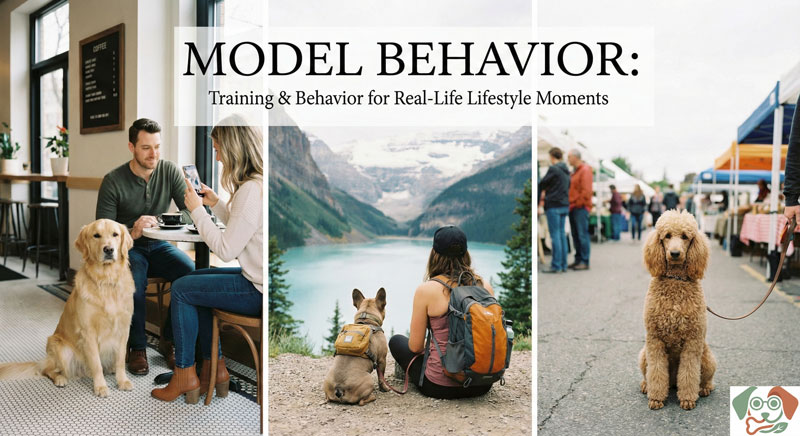
Camera Shy to Camera Ready: Reduce Obesity with Reward Timing and a Martingale Collar
Meta description: Turn Camera Shy dogs into photo-ready stars with reward timing, portion control, and humane martingale collar guidance.
Quick Summary
- Turn daily walks and play into moments that earn rewards at the right time. This helps your dog move more and eat smarter without feeling punished.
- Use a well-fitted martingale collar as a training tool, not a punishment, to keep your dog safe and focused during walks and photo sessions.
- Combine structured feeding, puzzle toys, and short, fun training sessions to help your dog shed pounds while learning to pose for pictures.
- Real-life routines for apartment living and suburban homes can both work with small tweaks to space, timing, and activity.
Why This Matters for Your Dog
Healthy weight boosts energy, mobility, and mood. Obesity can put dogs at risk for joint problems, heart disease, and shorter life. A simple, daily plan—reward timing, controlled portions, and safe training—helps most dogs lose weight gradually while building confidence to look at the camera. This approach respects your dog’s pace and comfort, and it fits everyday American homes.
Common Causes (Key Factors)
- Overfeeding and irregular meal times.
- High-calorie treats and table scraps.
- Sedentary routines or limited opportunities for movement.
- Inconsistent training that doesn’t reward the right behaviors at the right time.
- Medical issues that affect appetite or energy (hypothyroidism, dental pain, etc.). Note: if you suspect a health problem, see a veterinarian for a checkup.
Safety note: This article isn’t a substitute for professional care. For health concerns or weight plans, talk with your veterinarian before changing diets or exercise routines.
Step-by-Step What To Do
Step 1 — Get a plan from your vet
– Schedule a quick checkup to confirm your dog’s current weight and ideal goal.
– Discuss a realistic weight-loss pace (often 1-2% of body weight per week, but your vet will tailor this).
– Ask about any medical issues that could affect activity or appetite.
Step 2 — Map a practical daily activity routine (apartment vs. suburban)
– Apartment: short, frequent sessions work best. Try two 15-minute brisk leash walks plus two 5-minute play sessions in hallways or a living room with safe space.
– Suburban home: add a 20- to 30-minute walk outside, a sniff-and-spot game, and a quick 5-minute stair or uphill-offer exercise if your dog’s joints allow.
– Always end with a calm cool-down and a treat that supports your portion goals.
Step 3 — Master reward timing for movement and photos
– Use a cue like “look” or “cheese” to bring eyes to you. Reward with a small, healthy treat or a quick game once they glance at the camera.
– Time rewards to match activity: give the treat right after a successful step, not before. This reinforces moving and posing together.
– Keep camera-ready sessions short (1–3 minutes) and end on a positive note with a high-value reward.
Step 4 — Portion control and smart treats
– Measure meals and avoid free-feeding. Use a daily plan you can share with your vet.
– Choose low-calorie treats or use portions of meals as rewards. Break treats into tiny pieces to stretch calories.
– Use puzzle feeders or slow-feed bowls to extend meals and add mental work without extra calories.
Step 5 — Safe, humane use of a martingale collar
– Fit correctly: measure neck and check that two fingers fit between collar and skin. The collar should sit higher on the neck than a typical buckle collar.
– Why use it: it helps prevent dogs from backing out of collars and can reduce pulling during walks.
– How to train: practice gentle leash walking in a quiet area first. Reward steady walking and guided attention toward you. Never yank or use force; keep corrections light and calm.
– Safety note: don’t leave a martingale collar on a dog unsupervised for long periods. Remove for crate time or when you’re not watching your dog.
Step 6 — Practice crate training as part of daily routine
– Use a crate as a safe space and a place for a calm rest during busy moments.
– Put a cozy bed, a toy, and a small portion of the day’s meals inside the crate to create a positive association.
– Crate training supports consistent routines and reduces stress during busy days.
Step 7 — Photo-friendly routines and environmental tweaks
– Natural light is best; take photos near windows or outside on overcast days for soft lighting.
– Keep sessions brief and fun. End with a snack you know your dog loves.
– Use a consistent snack reward schedule during photo sessions to build a calm, camera-ready behavior.
Step 8 — Vet and professional support
– Schedule follow-up weigh-ins as advised by your vet.
– If progress stalls, ask for a nutritionist or trainer who uses reward-based methods.
– If your dog shows unusual fatigue, coughing, or breathing difficulty during activity, contact a veterinarian promptly.
Mistakes to Avoid
- Reward timing that’s off (rewarding the dog after stopping rather than during movement).
- Overcooking treats or using high-calorie snacks for every training moment.
- Punishing struggles to pose or look at the camera.
- Relying on a collar as a substitute for daily exercise or medical care.
- Ignoring medical signals or skipping vet visits when weight isn’t dropping.
When to Call a Vet or Certified Professional
- Your dog’s weight is not changing after several weeks, or you see sudden weight loss.
- Breathing, coughing, or fatigue worsens with activity.
- Joints or mobility seem painful or stiff.
- You’re unsure how to adjust portions safely or your dog has specific medical needs.
- You’d like a tailored plan from a vet or a certified trainer who uses humane, reward-based methods.
FAQs
Q: Can a martingale collar help with obesity?
A: Not directly. It’s a training tool to improve safety and control during walks, which supports more activity. Use it humanely and with supervision.
Q: What’s a simple way to start a weight-loss plan at home?
A: Schedule regular meals with measured portions, reduce high-calorie treats, and pair every walk or game with a small, healthy reward timed to reinforce movement.
Q: How often should I weigh my dog during a weight plan?
A: A vet can give you a plan, but many owners weigh every 2-4 weeks to track progress and adjust portions.
Q: Are there alternatives to a martingale collar?
A: Yes. Some dogs ride well with well-fitted harnesses or standard collars. A veterinarian or trainer can help choose the best option for your dog.
Q: How do I keep my dog calm during photo sessions?
A: Short, positive sessions, a comfy space, and slow breathing cues help. Pair calm moments with a tasty, small reward.
By combining reward timing, thoughtful portion control, and a humane martingale collar, you can help your dog move more, weigh less, and become camera ready—without stress or shaming. With simple routines that fit an apartment or a suburban home, many U.S. dog owners can see real improvements in energy, health, and those adorable photo moments.