
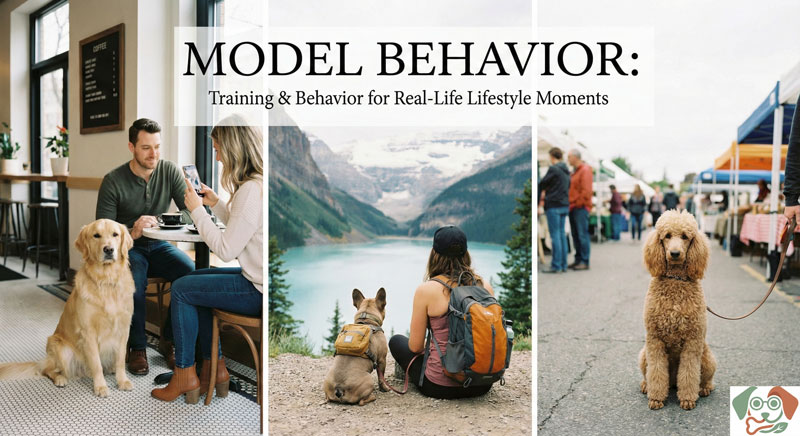
Camera Shy to Camera Ready: Reduce Hot Spots with reward timing and a travel carrier
Meta description: Learn reward timing and travel carrier tricks to help camera-shy dogs pose calmly and reduce hot spots at home.
Quick Summary
- Build calm, camera-friendly behavior with reward timing: reward the right moment, not after the photo is taken.
- Use a travel carrier as a safe den to ease transitions and reduce stress during photo sessions.
- Apply simple skin-care and routine tweaks to prevent hotspots and keep skin healthy.
- Adapt the plan to your home: apartment, single-family, or suburban yards, with practical routines and crate training tips.
- Training is humane and reward-based, with clear steps and safety checks.
Why This Matters for Your Dog
Many dogs show camera shyness or develop hotspots from stress, licking, or rubbing. A calm session leads to better photos and happier dogs. A travel carrier gives your dog a predictable, cozy space during photos, car rides, vet visits, or park meetups. Pairing reward timing with a gentle carrier routine reduces surprise, boosts confidence, and minimizes skin irritation caused by rubbing or licking. This approach fits everyday American homes—whether you live in a small apartment or a roomy suburban house.
Common Causes (Key Factors)
- Hot spots: Moisture, friction from collars or harnesses, scratching, or licking can create red, irritated patches. Allergies, parasites, or skin conditions can worsen hotspots.
- Camera shyness: Novel sounds, flashing phones, or unfamiliar people can trigger fear or escape attempts.
- Stress loops: When a dog feels pressured, they may turn to licking or rubbing, which can perpetuate hotspots.
- Environment: Poor lighting, clutter, or loud sounds during photos can spike anxiety.
- Routine gaps: Inconsistent feeding, walks, or crate time can increase nervousness.
Step-by-Step What To Do
1) Set a simple baseline
– Observe daily behavior for 3–5 days: how your dog responds to a phone camera, a human hand with a treat, and a short photo attempt.
– Note any hotspots rough edges, red patches, or new licking behavior.
2) Start reward Timing for camera sessions
– Pick one calm cue, like “Look at me” or “Watch.” Say the cue, wait for your dog to make eye contact, then immediately offer a tasty treat and praise.
– Do tiny sessions: 2–3 quick tries per day, each lasting 5–15 seconds. Reward the moment the dog looks toward you or the camera, not after the picture is taken.
– Gradually extend: once eye contact is steady, add a soft word and still reward immediately. Keep sessions short and positive.
3) Introduce a travel carrier as a safe den
– Choose a crate or soft travel carrier with a comfy blanket and a favorite toy. Place it in a quiet corner of the living room or bedroom.
– Make it inviting: feed meals near the carrier, toss treats inside, and praise calmly when your dog approaches.
– Short, positive visits: sit nearby for a few minutes with the door open; reward any relaxed posture. Gradually increase time, then close the door briefly while you stay close, opening as soon as your dog relaxes.
– Use the carrier for photos: once your dog sits comfortably, prompt the “Look at me” cue near the carrier and reward when calm near or inside it.
4) Adapt to apartment vs. suburban settings
– Apartment: create a dedicated photo nook with natural light near a window. Keep sounds low, avoid flash, and use a soft, clutter-free background. Schedule sessions after a walk when your dog is naturally calmer.
– Suburban home: use a quiet room or the crate in a familiar spot. If you have a yard, consider a short outdoor session on a calm day, always supervised and away from active dogs or kids.
5) Skin care and hotspot prevention
– Daily checks: quick skin check during grooming or feeding. Look for redness, wet patches, or hair loss.
– Keep it clean and dry: gently wash minor irritations with lukewarm water and a mild, vet-approved soap if recommended by your vet. Dry thoroughly.
– Manage moisture: if your dog tends to lick patches, provide distraction with a chew or puzzle toy and keep nails trimmed to reduce rubbing.
– Vet-friendly plan: if a hotspot appears, keep it clean and avoid home remedies that could irritate the skin. Consult your veterinarian for a proper topical plan or prescription if needed.
6) Routines to support calm behavior
– Morning: a short walk, a sniffy exploration session, and a few reward-timed calm moments.
– Daytime: quiet crate time with a puzzle toy or a treat-dispensing toy.
– Evening: a relaxed photo practice with the carrier, followed by a cozy cuddle or gentle brushing.
– Consistency matters: little, regular sessions beat long, sporadic attempts.
7) When to pause and reassess
– If hotspots worsen or the dog shows signs of distress during sessions, take a break and revisit slower steps.
– If your dog shows severe anxiety, consider working with a certified trainer who uses reward-based methods.
Mistakes to Avoid
- Forcing your dog into the carrier or rushing photo moments.
- Overusing flash or loud camera sounds that startle your dog.
- Expecting perfect photos before your dog is ready; progress is value, not perfection.
- Ignoring hotspots or skipping skin checks; underlying issues may require vet care.
- Using punishment or scolding around the camera or crate.
When to Call a Vet or Certified Professional
- Hotspots persist beyond 48 hours, worsen, or show signs of infection (pus, fever, spreading redness).
- Your dog shows excessive itching, hair loss, or behavioral signs of pain.
- Anxiety around cameras or carriers interferes with daily life or safety.
- You’re unsure which topical products or routines are appropriate.
Note: This post offers general guidance. For health concerns, consult your veterinarian for a personalized plan and appropriate products. Do not start new medications or dosages without veterinary advice.
FAQs
-
Q: How long should I keep my dog in the carrier during practice?
A: Start with 2–5 minutes, gradually increasing as your dog stays calm. Never force the dog to stay longer than they comfortably tolerate. -
Q: What if my dog refuses the carrier?
A: Go back a few steps: place treats near the entrance, toss treats inside, and practice near the carrier with the door open. Celebrate small wins. -
Q: Which rewards work best for camera timing?
A: Use high-value treats your dog loves, plus verbal praise and a favorite toy. Rotate rewards to maintain interest. -
Q: Can I use photo sessions for bathroom breaks or meals?
A: Keep sessions separate from meals and bathroom breaks to avoid conflicts. Use rewards that are specifically tied to calm behavior. -
Q: How can I tell if a hotspot needs vet care?
A: If a patch is large, spreading, oozing, very reddened, or if your dog seems in pain or refuses to move, contact a vet promptly. -
Q: What’s the best crate size for a growing dog?
A: A crate large enough for comfortable standing, turning around, and lying down with space for a soft bed. You should be able to close the door and still move your feet without bumping your dog.
If you keep sessions short, use reward timing, and build a positive association with the travel carrier, many dogs grow more camera-ready over time. Combine gentle training with routine skin checks, and you’ll help reduce hotspots while enjoying nicer photo moments with your best friend.