
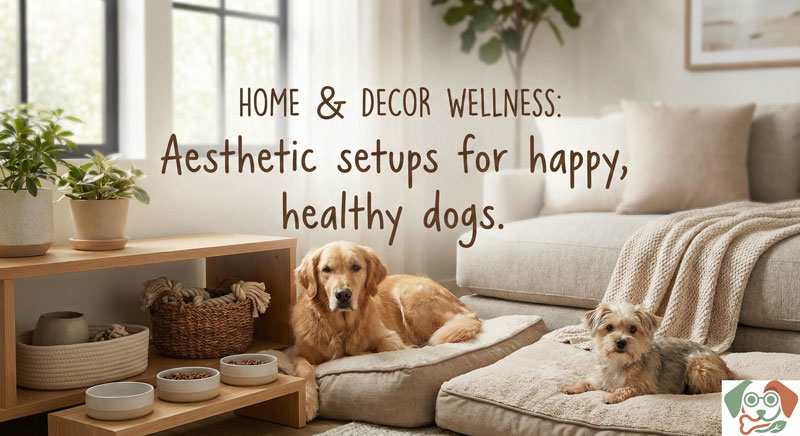
Meta description: Calm lighting and a chew zone help Anxious Dogs with slippery paws. A practical, beginner-friendly home setup for apartments and houses.
Quick Summary
- Create a designated chew zone with safe toys and non-slip mats.
- Use warm, steady lighting and dim evening lights to reduce stress.
- Add soft textures in common walkways to protect slippery paws.
- Use humane, reward-based training to encourage calm behavior.
- Adapt the setup for apartments or suburban homes and stick to a routine.
- See a vet or certified trainer if anxiety or mobility concerns persist.
Why This Matters for Your Dog
Dogs pick up on light and space. Soft lighting creates a calm mood and helps dogs feel secure, especially at night. A dedicated chew zone gives a steady, safe outlet for chewing and boredom. For dogs with slippery paws, non-slip surfaces and gentle pacing reduce slips and fear during movement. When you combine both ideas, you support daily routines, reduce stress signals, and improve safety—leading to happier, more confident dogs.
Common Triggers and Key Factors
- Slippery floors (tile or polished wood) that cause slips or fear of moving.
- Anxiety from loud sounds, separation, or new guests.
- Arthritis, hip/knee pain, or obesity that makes traction harder.
- Overstimulation from busy rooms or chaotic schedules.
- Inadequate outlets for energy and mental wear.
Step-by-Step What To Do
1) Assess your space
– Apartment: Choose a quiet living-room corner, near a window for gentle natural light, but away from heavy foot traffic.
– Suburban home: A corner near a mudroom or back hall can work well, with easy access to a crate or chew zone.
– Action: Note where your dog rests, where you hear anxious pacing, and where slips might happen.
2) Design the chew zone
– Pick a small, calm area with a soft rug or mat.
– Place a sturdy, dog-safe chew toy or puzzle feeder there.
– Add a cozy bed or a crate with a comfy blanket to create a retreat.
– Keep the zone free of small items that could be choking hazards.
3) Lighting plan
– Use warm LEDs (roughly 2700K–3000K) for calm evenings.
– If possible, set a steady day-to-night schedule: brighter light in the morning, softer light at night.
– Avoid flickering bulbs and harsh ceiling lights directly overhead.
4) Traction and safety for slippery paws
– Add non-slip mats or runners on common pathways: from the living room to the crate, to the kitchen, and near the entry.
– Consider short area rugs for dining and resting spots.
– Keep floors dry and clean; wipe paws after outdoor time to prevent slick surfaces.
5) Training and routine
– Start a simple daily routine: 30 minutes of sniffing/low-energy play, 15–20 minutes in the chew zone with rewards, and quiet crate time.
– Use reward-based cues: “chew zone” sits on a mat; reward when your dog stays calmly in the zone or returns to it.
– Gradually extend time in the chew zone and reduce prompts as your dog learns.
6) Crate Training and safe space
– Introduce the crate as a positive space with treats and a favorite toy.
– Keep crate accessible but not isolated all day; combine with calm activities.
– Use the chew zone near the crate if helpful, but ensure your dog has options to retreat to a safe space.
7) Health checks and vet visits
– Schedule regular vet visits; discuss mobility, arthritis, or signs of stress.
– Track changes: grip, gait, appetite, sleep, and anxiety cues.
– Bring notes on routines, triggers, and any new stair or floor changes.
8) Daily routines and activities
– Exercise: 15–30 minutes of leash walking or gentle indoor play to burn energy safely.
– Mental enrichment: puzzle feeders in the chew zone, scent work, or training games.
– Social time: safe yard or dog park visits if your dog is comfortable and socialized.
Mistakes to Avoid
- Bright, harsh lighting or constant glare that heightens arousal.
- Punishing, shaming, or forcing your dog into stressed spaces.
- Forcing crate time without positive associations.
- Ignoring pain cues or signs of mobility problems.
- Blocking access to the chew zone or not providing appropriate chew options.
- Overloading with new toys or scents at once.
When to Call a Vet or Certified Professional
- Anxiety remains high despite a consistent routine for several weeks.
- Changes in appetite, weight, or mobility worsen.
- Signs of pain, limping, or reluctance to move on slippery surfaces.
- You suspect environmental triggers or have questions about training methods.
- A vet or certified trainer (CPDT or similar) can tailor a plan for your dog’s needs.
Safety note: This article offers general guidance. It does not diagnose conditions or prescribe medications. If your dog has medical concerns or severe anxiety, consult your veterinarian or a certified animal behavior professional for personalized care.
FAQs
- Can lighting alone calm my dog? Lighting helps create a calm mood, but it works best with a consistent routine, a safe chew zone, and gentle training.
- What if my dog slips on wood floors often? Add non-slip mats, shorter walks, and consider a vet check for Joint issues or pain.
- How long should training in the chew zone last? Start with 5–7 minutes, then gradually extend to 15–20 minutes as your dog stays calm.
- Are chews dangerous? Use age- and size-appropriate chews and supervise. Remove small fragments and replace worn toys.
- Can I use a baby gate to create the zone? Yes. Simple barriers help define spaces and keep your dog within a safe area.
By combining calm lighting with a well-placed chew zone, you create a practical, friendly home setup for dogs with slippery paws and anxiety. Small, consistent steps—tailored to apartment living or a suburban home—can make a big difference in your dog’s comfort and daily routine.