
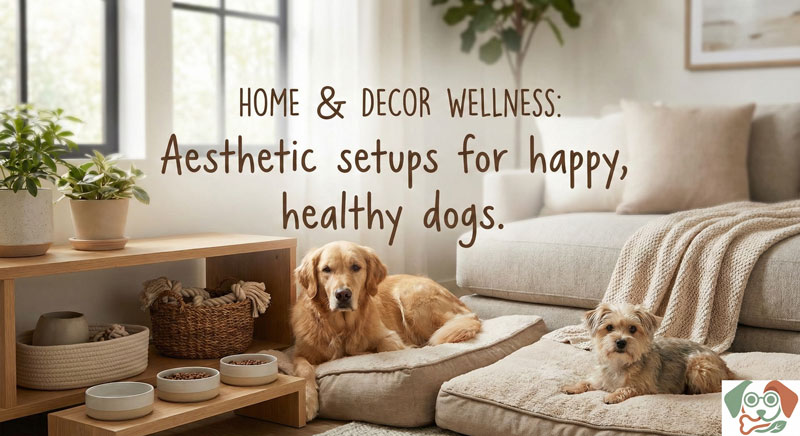
Meta description: Calm lighting and a chew zone support dogs with nausea and anxiety—practical, beginner-friendly home setup tips.
Quick Summary
- Create a calm, cozy corner with warm lights and soft textures.
- Set up a dedicated chew zone or crate to build positive habits.
- Use gentle routines, rewards, and communication to ease nausea and anxiety.
- Know when to seek vet help and training support.
Why This Matters for Your Dog
Dogs feel safer when their environment is predictable and gentle. Calm lighting reduces visual overstimulation, which helps anxious pups settle down. A dedicated chew zone gives them a safe outlet for nervous energy and boredom. Together, these setup ideas support tummy upset too, by giving your dog a steady routine, soothing smells, and a comforting space.
For many U.S. households—whether you live in a cozy apartment or a spacious suburb—these steps are practical and affordable. You can adapt the setup to your layout, daily schedule, and dog’s needs. The goal is small, consistent changes that become easy habits, not a perfect overhaul overnight.
Common Causes (Key Factors)
- Nausea in Dogs can come from motion sickness, minor gastritis, or a reaction to new foods or treats.
- Anxiety triggers include separation, loud noises, new people, or changes in routine.
- Environment matters: bright lights, busy rooms, or clutter can heighten stress.
- Pain or medical issues can mimic anxious behavior. If you notice persistent signs, a vet visit is wise.
Step-by-Step What To Do
1) Pick a calm spot
– Apartment: choose a quiet corner near a wall, away from heavy foot traffic. Place a small bed or mat, a crate if you use one, and a low-dust blanket.
– Suburban home: use a quiet room or the living room corner with a soft rug. Keep cords and clutter out of reach.
2) Create calm lighting
– Use warm bulbs (soft amber or white) and dimmer switches when possible.
– Avoid harsh overhead lighting in the dog area. A small lamp or night light is enough.
– Turn lights to a lower level during rest times and car rides if your dog gets queasy.
3) Set up a chew zone
– Have a sturdy chew toy or puzzle feeder in the corner. Rotate toys so your dog stays interested.
– For puppies or Anxious Dogs, consider long-lasting chews only under supervision.
– If you use a crate, place the chew zone inside or just outside the crate so the dog learns to associate the crate with positive chew time.
4) Make a positive association with the space
– Feed meals and give comfy treats in the calm area.
– Do short, happy sessions of gentle touch or soft talk in the spot.
– Leave a familiar blanket or clothing scent to comfort them.
5) Introduce a humane crate training routine (if you use a crate)
– Start with the door open, allow sniffing, and toss a treat inside.
– Gradually increase time with the door closed for short intervals while you stay nearby.
– Always pair crate time with calm rewards, not punishment.
6) Manage nausea with a gentle routine
– Offer small meals multiple times a day rather than one large meal.
– Ensure fresh water is available; consider small sips after activity.
– If rides or car trips trigger nausea, plan shorter trips and acclimate gradually with rewards.
7) Build a simple daily routine
– Same wake time, feeding times, potty breaks, and walk times.
– Include 15 minutes of quiet time in the calm space.
– Use reward-based training for basic cues (sit, stay, come) to Reduce stress during transitions.
8) Include safe exercise and exposure
– In apartments: short, frequent walks plus indoor play in the calm area.
– In suburban homes: longer walks plus safe sniffing time in a quiet yard.
– Gradually introduce triggers (noise, visitors) with careful supervision and rewards.
9) Know when to seek help
– If nausea lasts more than a day or your dog stops eating, call your vet.
– If anxiety is severe, or there are new signs like trembling or hiding for long periods, book a check-up or a humane trainer.
Mistakes to Avoid
- Moving too fast: changing many things at once can overwhelm your dog.
- Forcing play or exercise when nauseated. Let them rest.
- Using harsh lights, loud music, or punishment to “fix” anxiety.
- Leaving the dog unsupervised with small chew toys that could be swallowed.
- Ignoring signs of illness; anxiety and nausea can mask medical problems.
When to Call a Vet or Certified Professional
- Vomiting lasts more than 24 hours, or you see blood, or the dog won’t drink.
- Lethargy, significant weight loss, or dehydration.
- Signs of pain, swelling, or persistent tremors.
- Anxiety that interferes with eating, drinking, or daily life for several days.
- You’re unsure about new symptoms or a plan to help your dog.
Note: This article provides general tips and is not medical advice. If your dog’s symptoms are concerning, contact your veterinarian for guidance.
FAQs
- Can lighting really help a dog with nausea? Yes. Soft, warm lighting reduces glare and overstimulation, helping your dog relax during recovery or quiet times.
- What about foods to help nausea? Offer small, bland meals as recommended by your vet. If you’re unsure, ask your vet before changing your dog’s diet.
- Do chews and puzzles help anxiety? They can. Safe, supervised chews and puzzle feeders provide a positive outlet for stress and prevent boredom.
- How long should crate training take? It varies by dog. Start with short, positive sessions and gradually extend them as your dog gains comfort and confidence.
If you want, I can tailor these steps to your exact living space (apartment size, yard access, and your dog’s age and breed) and suggest a sample weekly routine.