
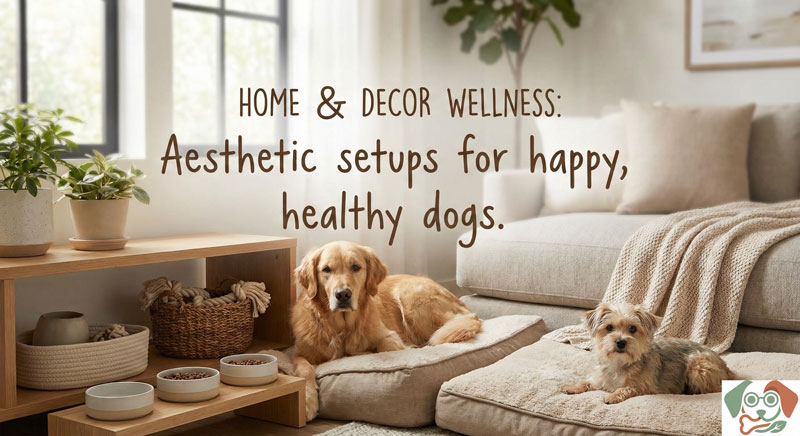
Calm lighting plus chew zone: Home setup for dogs with dry skin and anxiety
Meta description: Create a cozy, low-stress home with soft lighting and a dedicated chew zone to help dogs with dry skin and anxiety.
Quick Summary
- Soft, steady lighting plus a quiet chew station can ease anxiety in dogs with dry skin.
- Set up a calm corner with a comfy bed, safe chews, and crate access if welcomed.
- Pair lighting and chew zones with a gentle routine, regular grooming, and vet guidance.
- Use reward-based training to build confidence and reduce stress in everyday moments.
Why This Matters for Your Dog
Dogs feel more relaxed when their environment is predictable and soothing. For dogs with dry skin, a calm space helps minimize itchiness, restlessness, and overgrooming. Lighting that’s warm, steady, and dimmable reduces sensory overload. A dedicated chew zone gives a safe outlet for Stress and provides mental stimulation. Together, these elements support a happier daily life for many dogs—whether you live in an apartment or a suburban home.
Common Factors
- Dry skin triggers: low humidity, over-bathing, harsh shampoos, and seasonal weather can dry out a dog’s coat and skin.
- Anxiety triggers: loud noises, separation, unfamiliar visitors, and crowded dog parks can elevate stress.
- Interaction: calm lighting and a chew zone don’t replace medical care or training, but they can complement a vet-guided plan and reward-based training.
- Routine: predictable meals, walks, and rest reduce anxiety and support skin health through stable immune function and lower stress.
Step-by-Step What To Do
1) Assess your space and routine
– Apartment: carve a quiet corner near a window with soft, steady light and a small crate or bed. Keep the area away from high-traffic doors to Reduce noise.
– Suburban home: designate a calm room or corner with a crate, a low-traffic path, and a bit of humidity control if possible.
2) Create calm lighting
– Use a warm, dimmable light (2700–3000K) in the dog area. Avoid harsh overhead lighting or flickering lamps.
– Consider a soft night light for evening settle-down time. Keep lights on gradually as evening approaches to cue winding-down.
– If you use window blinds, block bright street glare at night to minimize overstimulation.
3) Set up a chew zone that’s inviting and safe
– Choose veterinarian-approved chews or durable toys appropriate for your dog’s size and chew style.
– Place the chew zone on a washable mat or Dog Bed, away from the main activity zone, so your dog feels secure.
– Rotate chews to maintain interest, but always supervise when trying new items to ensure safety.
4) Pair chewing with crate training or a cozy bed
– If your dog tolerates a crate, set up the crate as a safe den with soft lighting, a comfy bed, and a chew item. Practice short, positive sessions to build positive associations.
– If your dog isn’t crate-friendly, create a designated “calm zone” with a bed and chew within their sight line but not in the middle of all activity.
5) Boost grooming to support dry skin
– Brush your dog gently several times a week to remove loose fur and distribute natural oils.
– Use a vet-approved, gentle shampoo and follow directions on bathing frequency based on your dog’s needs.
– Consider a humidifier in rooms where your dog spends a lot of time, especially in dry climates or winter months.
6) Establish a simple, rewarding routine
– Feed at the same times each day; a consistent schedule supports digestion and mood.
– Schedule moderate exercise: short walks or indoor play for energy release, followed by quiet time in the calm zone.
– Use treats to reward calm behaviors near the lighting and chew station during transitions (putting away toys, leaving the space, etc.).
7) Integrate training with calm cues
– Teach a simple cue like “settle” or “paws down” using rewards and gentle guidance.
– Reward your dog for choosing the calm zone and for chewing appropriate items instead of scratching or licking excessively.
– Keep sessions short and positive, with plenty of praise and snacks your dog loves.
8) Vet-guided care for dry skin and anxiety
– Schedule a general check with your veterinarian to evaluate skin condition, allergies, or other health issues.
– Ask about skin-safe supplements or topical options if recommended by your vet.
– Discuss anxiety management options that fit your dog, including training plans, environmental adjustments, and behavior referrals if needed.
Mistakes to Avoid
- Overly bright or flickering lights that increase arousal.
- Forcing the dog to stay in the calm zone without building positive associations.
- Using punishment or fear-based methods to manage anxiety.
- Neglecting grooming or skipping vet visits when dry skin worsens.
- Ignoring crate training opportunities if your dog is crate-averse; gradually introduce it with positive reinforcement.
When to Call a Vet or Certified Professional
- If dry skin worsens, causes itching that leads to hair loss, redness, or sores.
- If anxiety escalates to panic signs (inability to rest, excessive panting, shaking, or destructive behavior).
- If you notice sudden changes in appetite, energy, or weight.
- A vet can rule out medical causes and may suggest a conditioning plan, dermatology referral, or behaviorist support.
Note: This article offers practical tips and is not medical advice. For skin issues or anxiety concerns, consult your veterinarian or a certified animal behavior professional for guidance tailored to your dog.
FAQs
- Can lighting really affect my dog’s anxiety?
Yes. Gentle, steady lighting helps lower sensory overload and supports a calm mood, especially during winding-down times. - What safe chews should I choose for a dog with dry skin?
Ask your vet about options suitable for your dog’s size and chewing style. Look for durable, non-toxic chews and supervise use. - How do I start crate training if my dog is nervous?
Begin with short, positive experiences in the crate, offering treats and favorite toys. Gradually increase time as your dog stays relaxed. - How can I help my dog with dry skin daily?
Grooming, a balanced diet, proper hydration, and climate control (humidifier as needed) help. Avoid harsh soaps and too-frequent baths. - How do I humidify a small apartment effectively?
A compact room humidifier or a moisture-adding device can help; place it in a common area away from the dog’s immediate breathing zone and clean it regularly. - Should I adjust lighting with seasons?
Yes. In dry seasons or winter, warmer, dimmer lighting in the evening supports rest; during the day, natural light plus soft lamps can reduce stress.
If you’d like, I can tailor these steps to your exact living situation, your dog’s breed, and any known triggers.