
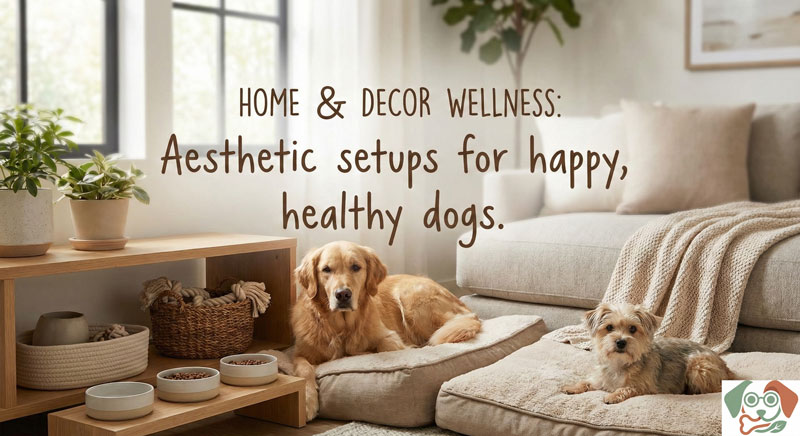
Calm Lighting Plus Chew Zone: Home Setup for Dogs with Loose Stools and Anxiety
Quick Summary
- Create a cozy, calm space with warm lighting and a dedicated chew zone.
- Build a gentle daily routine to ease anxiety and support digestion.
- Use humane, reward-based training and crate-time to give your dog a safe haven.
- Watch stool patterns and hydration; know when to call a vet.
- Apartment or suburban home? Tips fit both living situations.
Why This Matters for Your Dog
Dogs feel safer when their environment is predictable and soothing. Calm lighting reduces visual overstimulation, which can help anxious dogs settle down earlier in the day and at night. A designated chew zone gives a positive outlet for stress and teething or boredom. When anxiety and loose stools mix, a steady routine, proper nutrition, and a quiet, predictable home can ease both problems together. This approach is practical for everyday American households—whether you rent an apartment or live in a suburban home.
Note: This post offers general guidance. It does not replace professional veterinary advice. If your dog has persistent diarrhea, dehydration, or other health worries, contact a veterinarian promptly.
Key Factors (Common Causes)
- Stress from changes: new people, pets, noises, or routines.
- Diet shifts or dietary intolerance.
- Infections or parasites.
- Food after hard workouts or eating too fast.
- Pain, dental issues, or organ problems.
- Inadequate hydration or inconsistent feeding times.
- Overstimulation from busy households or loud environments.
Understanding these factors helps you tailor your calm lighting and chew-zone setup to support both mood and stool health.
Step-by-Step What To Do
1) Assess your space (apartment vs. suburban home)
– Apartment: Use a quiet living corner with a low-traffic area. Place the chew zone near the crate or dog bed, away from busy doorways. Use a soft rug and washable mat.
– Suburban home: Choose a calm room like a family room or a bedroom with a door. Keep the chew-zone away from heaters or fans that blow directly on your dog. Maintain a consistent space for crate time.
2) Set up calm lighting
– Use warm, dimmable bulbs (2700–3000K) in rooms your dog spends most of the day.
– Add a nightlight along the floor for night-time potty breaks.
– Avoid bright overhead lights late at night; consider a soft table lamp or a diffuser with a gentle glow.
– Create a consistent evening lighting routine: dim lights 60 minutes before bedtime to cue wind-down.
3) Create a predictable chew zone
– Choose a quiet corner with a crate, baby gate, or a closed-off pen to create a safe zone.
– Provide a soft bed, a washable mat, and a small collection of durable, dog-safe chew toys.
– Include a few tasty but safe chews (check ingredients) that your dog enjoys and can chew safely.
– Rotate chew toys to keep things interesting, but keep the zone consistent.
4) Establish a daily routine
– Feeding: same times each day, 2 meals or 3 small meals as recommended by your vet.
– Potty breaks: scheduled walks or yard time; tie potty routines to meals.
– Exercise: gentle daily activity; short walks or play sessions that match your dog’s energy level.
– Crate time: short, positive crate sessions, especially after meals and before high-stress events (visitors, grooming).
5) Gentle, humane training to ease anxiety
– Reward-based methods: praise, treats, and play when your dog relaxes in the calm space or during quiet moments.
– Desensitization: gradually expose your dog to triggers (doorbells, vacuum, street noise) at a low level, paired with positive rewards.
– Enrichment: puzzle toys, slow feeders, and scent games to redirect focus away from stress.
– Crate training: make the crate a positive, safe space. Use treats and a favorite toy to create a pleasant association.
6) For loose stools: hydration and a thoughtful approach
– Ensure fresh water is always available; check water sources in your home (bottled water or filtered tap water if your area has concerns).
– Food consistency matters: avoid sudden changes. If you’re considering a change, do it gradually over 7–10 days.
– Consider a bland option only if your vet approves (examples include boiled chicken with plain white rice or a vet-recommended bland diet). Do not push changes without veterinary guidance.
– Monitor stool: keep a simple log (date, color, consistency, any blood, vomiting, appetite). Bring this log to a vet visit if you’re concerned.
– Probiotics: some dogs benefit from a canine probiotic. Only start if your vet recommends a brand and dosage.
7) Crate training basics (humane and safe)
– Start with short, positive sessions. Feed meals near the crate to build a positive association.
– Place a comfortable bed inside and provide a chew toy.
– Use a cue word like “settle” or “crate” when guiding your dog into the space.
– Gradually increase crate time in small increments as your dog grows more comfortable.
– Never use the crate as punishment.
8) Vet communication plan
– Schedule a check-up if loose stools persist more than 24–48 hours, or if you notice dehydration, vomiting, blood in stools, poor appetite, or lethargy.
– Bring your stool log, note any new foods, treats, supplements, or environmental changes.
– Ask about dietary options, hydration strategies, and whether a probiotic or a test (e.g., fecal exam) is appropriate.
Vet disclaimer: If symptoms worsen or you see red flags (severe lethargy, vomiting, inability to keep fluids down, blood in stool), contact a veterinarian promptly. This guidance is not a substitute for medical advice or treatment.
Mistakes to Avoid
- Punishing anxious behavior or trying to “tough it out.”
- Sudden, large diet changes without veterinary guidance.
- Overusing treats or giving table scraps.
- Placing a crate in a drafty or noisy area without comfort.
- Ignoring signs of dehydration or illness.
- Skipping routines or letting the environment become chaotic.
- Expecting a quick fix without time for gradual changes.
When to Call a Vet or Certified Professional
- Loose stools lasting more than 24–48 hours.
- Vomiting, lethargy, fever, or poor appetite.
- Blood in stool, pale gums, or signs of dehydration.
- Sudden weight loss or persistent changes in bowel habits.
- If you’ve recently changed foods and symptoms arise, or you’re unsure about probiotic use.
- You’re worried about anxiety that interferes with daily life or safety.
FAQs
-
Q: Will calm lighting alone cure anxiety?
A: Lighting helps create a calmer environment, but it’s most effective as part of a larger routine with positive reinforcement, crate training, and enrichment. -
Q: What is a chew zone?
A: A chew zone is a dedicated, calm space with safe chew toys and a comfortable bed where your dog can relax and chew as a healthy outlet for stress. -
Q: How do I crate train my dog safely?
A: Start with short, positive sessions near meals, add a favorite toy, and gradually increase time. Use praise and treats to build a positive association with the crate. -
Q: Can this setup help with loose stools?
A: It can support overall calm and routine, which may help digestion. However, persistent diarrhea requires veterinary assessment to rule out medical causes. -
Q: How long does it take to see improvements?
A: Some dogs respond within days to weeks; others may take longer depending on anxiety levels and medical factors. Consistency matters. -
Q: Are there safe foods I can give at home?
A: Hydration and a consistent diet are key. If you consider food changes or a bland diet, discuss it with your vet first. Avoid giving chocolate, onions, grapes, and other toxic foods. -
Q: Should we visit a dog park during digestion issues?
A: If your dog’s stools are loose, high-stress environments and over-exercise can worsen digestion. Follow your vet’s guidance and keep outings calm and short if advised. -
Q: Can I use calming aids?
A: Calming aids (like pheromone diffusers or soft music) can be helpful when used as part of a broader plan. Always verify safety and suitability with your vet, especially if your dog has medical concerns.
Closing thoughts
A calm lighting setup and a well-defined chew zone can be powerful building blocks for dogs dealing with anxiety and loose stools. Pair these with consistent routines, humane training, and mindful nutrition. Remember: small, steady steps add up to meaningful comfort for your dog—and peace of mind for you as a loving, responsible pet parent. If you have concerns about your dog’s digestion or anxiety, reach out to a veterinarian or certified behavior professional for personalized guidance.