
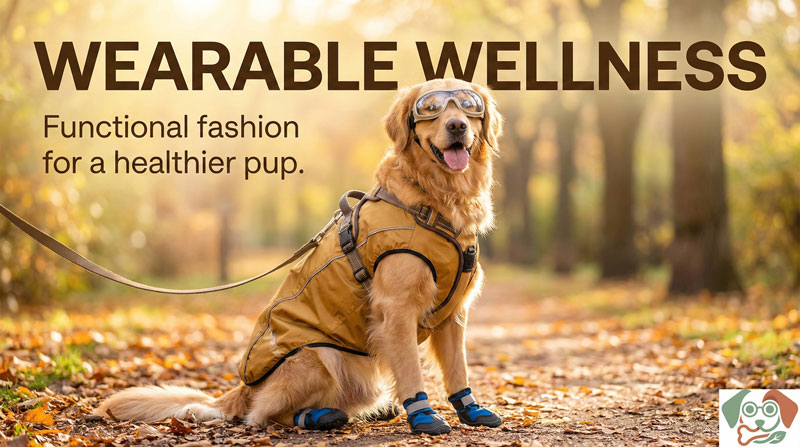
booties fit test: 13 checkpoints to Prevent shedding and slipping
Meta description: Ensure dog booties fit right with 13 checkpoints to prevent slipping and cut home shedding. A practical, beginner-friendly guide.
Quick Summary
- There are 13 clear checkpoints to test bootie fit.
- Start with measurements, then try-on and walking tests.
- Use short, positive training sessions to acclimate.
- In apartments or suburbs, adapt routines (crate time, vet visits, parks) to keep it humane and safe.
- If anything looks painful or causes persistent limping, call a vet or certified pro.
Why This Matters for Your Dog
Booties protect paws from hot sidewalks, salt, and rough terrain. They can also help dogs traction on slick floors, reducing slips. While booties won’t stop shedding, they can catch loose hair and make cleaning up easier. A proper fit prevents rubbing, Hot Spots, and feathering loss at the ankle. A gentle, reward-based approach makes the process stress-free for you and your dog.
Common Causes (Key Factors)
- Paw shape and toe length vary by breed; one size does not fit all.
- Hair between toes can alter fit and comfort.
- Slippery floors (wood, tile) increase slipping risk.
- Weather and season influence traction needs (ice, snow, rain).
- Activity level changes bootie wear and fit over time.
Step-by-Step What To Do
Checkpoint 1: Measure paw width
– Use a ruler or tape to measure the widest part of the paw just above the pads. Record both front paws, then choose the bootie size accordingly.
Checkpoint 2: Measure paw length
– Measure from the back of the heel to the tip of the longest toe. Some dogs have longer nails that affect fit, so factor in nail length too.
Checkpoint 3: Check toe clearance
– With the dog standing, slide a finger between the toe and the boot’s front. There should be a snug gap, not tight pressure.
Checkpoint 4: Check ankle opening size
– The bootie ankle opening should be snug but not constricting. You should not see skin or fur pulled tight when the dog moves.
Checkpoint 5: Inspect bootie interior seams
– Look for rough seams or stitching that could rub skin. A smooth interior reduces hot spots.
Checkpoint 6: Assess bootie weight and material
– Lighter, breathable materials are easier for beginners. Softer fabrics soften the learning curve.
Checkpoint 7: Try one boot at a time
– Place a boot on the dog’s paw and secure the strap or Velcro. Let the dog sniff and relax with it before adding a second boot.
Checkpoint 8: Static stand test
– Have your dog stand calmly. Check for any initial rubbing or looseness around the ankle.
Checkpoint 9: First walk test on carpet
– Walk the dog a few steps on carpet. Watch for twisting, slipping, or tilting of the boot.
Checkpoint 10: Move to a hardwood/tiles surface
– If safe, test on a low-friction surface. Observe for slipping or the boot catching on floor gaps.
Checkpoint 11: Hair snag check
– Look for hair between toes getting pulled into the opening. If hair is caught, adjust fit or choose a different bootie.
Checkpoint 12: Tie-in with daily routine
– Short practice sessions in apartment or house first, then light outdoor use in calm areas. This builds confidence.
Checkpoint 13: Post-wear check
– After a short wear session, inspect paws and booties for wear, rubbing, or dampness. If rubbing occurs, size down or adjust.
Apartment vs suburban notes
– Apartment: Start with 5–10 minute sessions on carpeted areas, then move to low-traffic hallways. Use crate time to reinforce calm bootie wear.
– Suburban yards and sidewalks: Begin with slower walks on quiet streets, then gradually increase distance as your dog tolerates the booties. Protect paws from curb salt in winter with proper booties and post-walk paw checks.
Training tips (humane and reward-based)
– Use high-value treats to reward calm bootie acceptance.
– Keep sessions short and end on a positive note.
– If the dog resists, pause and try again later the same day or tomorrow.
– Always remove boots if there are signs of pain, swelling, or limping.
Mistakes to Avoid
- Choosing size by guesswork without measuring.
- Forcing the dog to wear boots for long periods before acclimation.
- Ignoring signs of rubbing or skin irritation.
- Using booties on hot pavement without testing a light walk first.
- Rushing routine changes; sudden long outings can cause stress.
When to Call a Vet or Certified Professional
- If you notice persistent limping, swelling, bleeding, or any unusual paw discharge.
- If booties cause open wounds or persistent hot spots.
- If your dog shows signs of severe distress during bootie wear.
- This is not medical advice; for any health concerns, contact your veterinarian or a certified canine professional.
FAQs
-
Do booties really stop shedding?
Booties won’t stop shedding. They can collect some loose hair on the surface and help reduce floor cleanup, especially on slick floors. -
How long does acclimation take?
Most dogs adapt in 1–2 weeks with short, daily sessions. Some may adjust faster; others need more gradual steps. -
How do I measure correctly?
Measure width at the paw’s widest part and length from heel to toe. Check for a comfortable gap at the toe and a snug ankle opening. -
Can all dogs wear booties?
Most dogs can, but some breeds with very sensitive paws may need more time. Always monitor for comfort, heat, or irritation. -
How do I clean booties?
Rinse off dirt, air dry, and avoid high heat. Follow the manufacturer’s care instructions. -
Are booties safe for dogs with pads injuries?
If your dog has a pad injury, consult your vet before using booties. Use as directed by a vet or canine professional. -
Can booties replace paw balm or paw wax?
Booties are protective gear, not a substitute for vet-prescribed paw care. Use paw balms as recommended by your vet. -
How do I choose the right brand?
Look for breathable materials, secure fastenings, a snug fit, and reflective options for visibility. Read user reviews for real-world fit. -
Are there differences for winter vs summer use?
Yes. Winter booties focus on warmth and traction on ice; summer booties emphasize breathability and protection from hot pavement. -
How do I know if I need a bigger or smaller size?
If you see rubbing, hair loss near the ankle, or the bootie repeatedly slips, you likely need a different size or a different brand with a closer fit. -
Can I use human socks or shoes as a substitute?
No. Dog booties are designed for paw shape, movement, and traction. Substitutes may slip or injure feet.
Final thoughts
A careful bootie fit test makes daily activities safer and cleaner for you and your dog. Start slowly, stay consistent, and keep sessions positive. With 13 clear checkpoints, you’ll know when booties fit well and how to use them effectively in both apartments and suburban yards. If you’re ever unsure, a quick chat with a veterinarian or a certified canine trainer can help tailor the fit to your dog’s unique paws and lifestyle.