
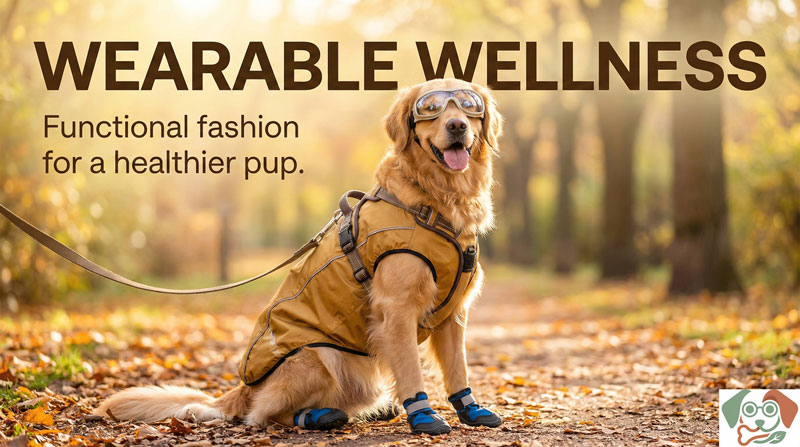
Meta Description: A beginner-friendly guide to anti-chafe setup using bamboo fabric and proper sizing to ease reverse sneezing in a dog stroller.
Quick Summary
- Use bamboo fabric liners or clothing to cut friction and keep skin cool.
- Get the right sizing for your dog’s stroller harness and add a soft barrier where rubbing happens.
- Follow simple, humane steps to comfort your dog during rides and reduce sneeze triggers.
- See a vet if sneezing is frequent or severe or if there are skin injuries.
Why This Matters for Your Dog
A comfortable ride lowers stress and helps your dog enjoy stroller outings—from neighborhood strolls to park visits. Bamboo fabric is breathable, gentle on skin, and quick to dry, which helps prevent chafing after walks or car rides. Proper sizing keeps harnesses from rubbing, and a calm routine makes reverse sneezing less alarming for you both.
Common Causes
- Friction from a harness or rough stroller lining rubbing on the chest or belly.
- Dry air, heat, or moisture causing irritated skin.
- Allergens or irritants in the stroller area (dust, pet shampoo residue, odors).
- Triggers for reverse sneezing: excitement, rapid breathing changes, or environmental irritants.
Step-by-Step What To Do
1) Pick bamboo fabric accessories. Choose a stroller liner or clothing made from bamboo viscose. Look for moisture-wicking, soft, and cruelty-free options. Pre-wash before first use.
2) Measure your dog for proper fit. Use a soft tape to check neck girth, chest girth, and weight. Compare with the size chart on the product. If you’re between sizes, choose the bigger size with adjustable straps.
3) Check the harness fit. Use a comfortable, padded harness. It should be snug but not tight—two fingers should fit between strap and body. Place straps away from the armpits and rubbing points.
4) Add a soft anti-chafe barrier. Apply a pet-safe, fragrance-free balm to any rubbing spots a few minutes before rides. Do not apply inside the nose or mouth. Always follow product directions.
5) Layer with breathable comfort. A light bamboo tee or hoodie can wick moisture and provide a gentle barrier without restricting movement. Make sure the chest area isn’t compressed.
6) Set up the stroller for comfort. Line the bottom with bamboo fabric, ensure straps are padded and adjustable, and keep the canopy slightly open for airflow. Add a small water bottle or dish nearby for longer outings.
7) Calm reverse sneezing when it happens. If your dog begins a sneeze fit, pause, speak softly, and rub the nose or chest with a calm touch. Offer a brief pause in a quiet spot, then continue. A humidifier at home can help on dry days.
8) Maintain the setup. Wash the bamboo liner regularly according to the care tag. Air dry to preserve softness. Inspect for wear and replace any worn parts.
9) Build a safe routine. In an apartment, go on short, frequent stroller trips around the block to build tolerance. In a suburban home, pair stroller outings with crate-time wind-down, universal crate training, and regular vet visits as planned.
Mistakes to Avoid
- Using a harness or liner that’s too tight or stiff.
- Skipping the liner or barrier on rubbing areas.
- Not cleaning the liner after damp days or long outings.
- Leaving the dog in the stroller in hot sun or high heat.
- Ignoring persistent rubbing, sores, or skin redness.
When to Call a Vet or Certified Professional
- Your dog has frequent, prolonged reverse sneezing or seems distressed.
- You notice nasal discharge, coughing, lethargy, fever, or trouble breathing.
- The skin shows open sores, redness that won’t fade, or signs of infection.
- Chafing worsens despite your anti-chafe measures.
Note: This article offers general care tips and does not replace veterinary advice. If health concerns arise, consult your veterinarian promptly. If you’re unsure about treatment or need a care plan, seek a certified veterinary professional or a pet-care trainer for humane, reward-based guidance.
FAQs
Q: What exactly is reverse sneezing?
A: It’s a rapid, repeated snorting sound caused by nasal or throat irritation. It can be alarming but is usually harmless. If it’s frequent or severe, check with your vet.
Q: Is bamboo fabric safe for dogs?
A: Yes, many dogs tolerate bamboo fabric well. It’s breathable and soft, which helps reduce rubbing and overheating. Look for products labeled for pets and read care instructions.
Q: How do I size a dog stroller harness correctly?
A: Measure neck and chest girth, then compare to the manufacturer’s size chart. Choose the size that allows a comfortable fit with adjustable straps. Check that the chest strap sits behind the front legs and isn’t rubbing.
Q: Can I use home remedies for chafing?
A: Gentle, pet-safe balms can help, but avoid human products and always test on a small patch first. If redness or irritation continues, see a vet.
Q: How often should I switch up the routine?
A: Start small and gradually increase the duration and distance of stroller rides. Include rest days and monitor for signs of stress or breathing changes.
Q: Are there other materials besides bamboo for anti-chafe?
A: Yes. Look for breathable, soft fabrics labeled for pet wear. The key is moisture-wicking, padding where rubbing happens, and easy cleaning.
A practical, gentle approach—paired with breathable bamboo fabric and careful sizing—helps you and your dog enjoy stroller outings with fewer chafing worry and fewer reverse-sneeze moments. If you need help refining your setup, your local vet or a certified dog trainer can offer personalized, humane tips tailored to your dog’s needs.