
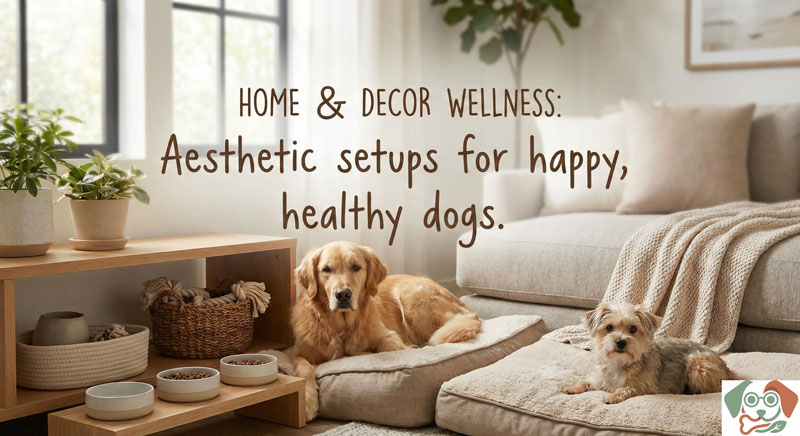
Aesthetic Feeding Station: Slow Feeder Setup to Prevent Stress and Support Healthy Weight
Meta description: Create a calm, stylish feeding station with a slow feeder to Reduce stress and support your dog’s healthy weight.
Quick Summary
- A dedicated feeding station with a slow feeder slows down meals and reduces stress.
- It helps maintain a healthy weight and better digestion.
- Easy to set up at home, whether you live in an apartment or a suburban house.
- Pair the setup with a simple routine, crate training, and regular vet checks.
Why This Matters for Your Dog
Eating too fast can upset your dog’s stomach, raise stress, and lead to gulping, choking, or bloat in some breeds. A well-designed feeding station slows meals, adds a little structure to daily life, and can make mealtimes calmer. This supports a healthy weight, better portion control, and easier digestion. Aesthetic, simple setups also blend into your home without creating clutter or stress.
Key Factors (Common Causes)
- Eating too quickly: gulping food and air can cause discomfort.
- Inconsistent routines: surprise meals or irregular portions raise anxiety.
- Overfeeding or large portions: leads to weight gain and less energy balance.
- Stressful environment at mealtime: noise, distractions, or crowding.
- Inadequate enrichment after meals: boredom can affect appetite and behavior.
Step-by-Step What To Do
1) Pick the right spot
– Apartment: choose a quiet corner near a feeding mat or rug, away from doors and crowds. Keep it near your kitchen or living area for easy supervision.
– Suburban home: a corner in the kitchen, mudroom, or laundry area works. If you have a crate, place the station near it to pair feeding with crate routines.
2) Choose a slow feeder and dish
– Options include: a bowl with built-in rungs, a shallow puzzle feeder, or a textured dish. Glass or stainless bowls with a non-slip base are easy to clean and safe.
– For dogs that drop food or fling bowls, pick a heavy or non-slip feeder and place it on a small feeding mat.
3) Create the aesthetic feeding station
– Use a small, washable mat and a stylish bowl. Neutral colors or wood-look mats blend into most homes.
– Keep cleaning supplies handy (paper towels and a mild soap) for quick post-meal cleanup.
– Place a measuring cup and a simple dog bowl hook or tray so everything has a place.
4) Train the transition with gentle steps
– Show your dog the new station and reward calm behavior with praise and a treat.
– Practice short practice meals at the new spot before full daily use.
– Keep mealtime calm: turn off loud TV or music, and use a soft voice.
5) Set a simple feeding routine
– Measure portions and feed at the same times daily (for example, mornings and evenings).
– Allow 15–30 minutes for a meal; remove the bowl when finished. If your dog finishes early, pause play before next activity.
– If you use crate training, pair the feeding with the crate: place the dish near the crate for a calm association.
6) Monitor weight and health
– Weigh portions accurately with a kitchen scale or measuring cup.
– Track weight at regular vet visits or at home if you notice changes in energy or coat.
7) Hygiene and maintenance
– Wash bowls daily; wipe the mat as needed.
– Rotate or refresh feeding toys if your dog shows signs of boredom.
8) Enrichment after meals
– A short walk, a puzzle toy, or a chew keeps your dog mentally refreshed after a slower feeding session.
Mistakes to Avoid
- Using a fast-feeder bowl or loose bowls on slick floors; go for non-slip bases.
- Rushing mealtime or scolding; use rewards and patience.
- Ignoring portion sizes; overfeeding undermines weight goals.
- Skipping regular cleaning; bacteria can build up quickly.
- For DIY feeders: ensure there are no sharp edges or small parts that could be swallowed.
When to Call a Vet or Certified Professional
- Your dog seems uncomfortable, retches, or has repeated vomiting after meals.
- Notice persistent weight gain or loss, or a change in appetite.
- You observe signs of GI distress, lethargy, or unusual behavior around meals.
- You’re unsure about portion sizes or a medical condition affecting weight.
Note: This article provides general care guidance. If you have health concerns, consult your veterinarian for personalized advice and a safe care plan.
FAQs
-
Can I DIY a slow feeder at home?
Yes. Use a clean, sturdy container with gentle gaps for chewing, and supervise at first. Ensure there are no sharp edges and that the toy is appropriate for your dog’s size. -
How can I tell if my dog is eating too fast?
Look for gulping sounds, coughing, or panting during meals. Some dogs finish within minutes and seem hungry again soon after. -
Is a slow feeder good for all dogs?
Many dogs benefit, especially those prone to gulping or weight gain. Always adapt to your dog’s size, breed, and health. If in doubt, ask your vet. -
Do I need special toys for a feeding station?
Simple, durable puzzle feeders or textured bowls work well. Choose age-appropriate toys and supervise until your dog understands the routine. -
How does a feeding station fit with crate training?
Place the feeding area near the crate, and pair mealtime with calm crate time to build a positive, routine association.
By setting up an aesthetic, calm feeding station with a slow feeder, you give your dog a practical tool for stress reduction and healthier eating. It’s a gentle, step-by-step change that fits everyday American homes—apartment, suburban, or beyond—while supporting routines that include crate training, vet visits, dog parks, and daily life.