
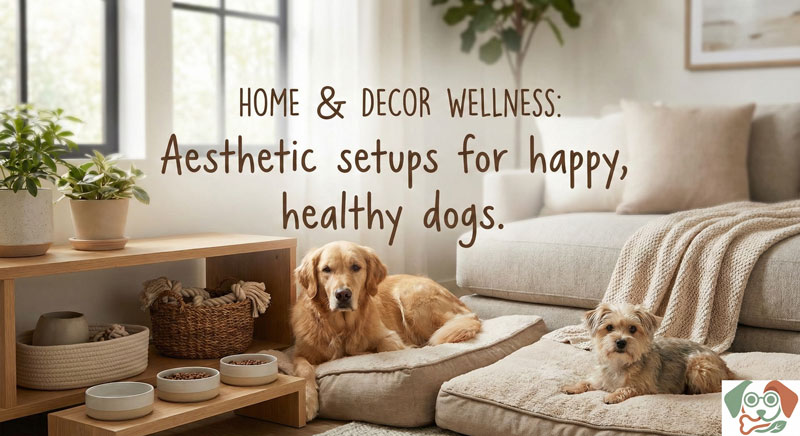
Meta description
Create an aesthetic feeding station with a slow feeder to help your dog’s sensitive stomach and support a healthy weight.
Quick Summary
- Build a tidy, attractive feeding station that fits your home.
- Use a slow feeder to slow meals and reduce digestion issues.
- Match setup to your routine: apartment or suburban life, crate training, vet visits.
- Prioritize humane, reward-based training and simple daily care.
Why This Matters for Your Dog
Many dogs eat too fast, which can upset the stomach and lead to weight gain or weight fluctuations. A well-designed feeding station slows them down, supports digestion, and helps you monitor portions. A tidy station also reduces mess, makes mealtimes calmer, and blends into your home’s style. This approach works whether you live in a small apartment or a roomy suburban home, and it pairs nicely with crate training, regular vet visits, and everyday routines like dog park trips.
Key Factors
- Eating pace: fast eaters are more prone to stomach upset. A slow feeder helps.
- Portion control: accurate meals support healthy weight and digestion.
- Station placement: choose a quiet, accessible spot that minimizes distractions.
- Materials and safety: non-slip, easy-to-clean, and sturdy to prevent accidents.
- Routine synergy: pair meals with crate time or calm-down routines to promote rest after eating.
- Aesthetics: choose colors and textures that fit your home while staying practical.
Step-by-Step What To Do
1) Define goals and space
– Decide on two meals per day for most adult dogs, with vet input for special needs.
– Pick an area that’s quiet but easy for you to reach: kitchen corner in an apartment, or a mudroom or laundry area in a suburban home.
2) Choose your slow feeder and dish
– Options include bowls with built-in ridges, puzzle feeders, or treat-dispensing toys.
– Select a dish size that matches your dog’s stomach and feeding routine. For puppies or small breeds, use age-appropriate feeders and supervise.
3) Create the feeding station
– Use a stable surface: a shallow tray, a small shelf, or a mat with a lip to catch spills.
– Pick non-slip bowls and a washable mat. For aesthetics, match colors/materials (ceramic bowls on a wooden tray, for example).
– Keep cleaning simple: a station that’s easy to wipe or throw in the dishwasher.
4) Set a Feeding Schedule
– Feed your dog at consistent times daily.
– Use measured portions (a measuring cup helps). If you’re unsure, ask your vet for a target range based on weight, age, and activity.
– Allow 10–20 minutes for eating; if not finished, remove the bowl and offer no extra until the next meal. This teaches patience and helps control weight.
5) Train the dog to use the station
– Begin with short practice sessions near the station, rewarding calm behavior.
– Use a cue like “eat” or “meal time” and reward with a treat or praise when the dog approaches the feeder.
– Gradually increase the time the dog spends at the station during meals.
6) Make it part of daily life (apartment vs. suburban)
– Apartment: place the station in a low-traffic corner, near a crate or in a kitchen alcove. Keep it visually simple with a small decorative tray.
– Suburban home: you can anchor the station in a mudroom or laundry area. Consider a dedicated small cabinet or wall shelf to keep the area neat.
7) Crate training and calm routine
– If you crate train, allow a meal at the crate during early stages to connect eating with calm resting. Move the station closer to the crate as your dog becomes comfortable.
– After meals, give your dog a few minutes of quiet time or a short walk so energy doesn’t spike from food.
8) Cleaning and maintenance
– Rinse bowls after meals and wipe the mat daily.
– Periodically check feeders for wear and replace if any pieces become cracked or brittle.
– Keep the area free of hazards (toys, cords, or small objects that could be swallowed).
9) Track progress and adjust
– Weigh your dog weekly or every 2–4 weeks at home, and report changes to your vet at checkups.
– If your dog’s weight is not moving toward the target, adjust portions gradually (within your vet’s guidance).
Practical Design Ideas for Real Homes
- Apartment friendly: a compact, shallow tray with a single slow feeder bowl; a decorative rug under the station to catch spills; a wall-mounted shelf to keep the area tidy.
- Suburban home: a two-bowl setup on a low, sturdy tray in a quiet corner; a small basket for towels and cleaning supplies; consider a vertical feeder to save floor space near the crate.
Mistakes to Avoid
- Free-feeding or leaving food out all day for dogs with sensitive stomachs or weight concerns.
- Choosing a feeder that’s too difficult to use or too small, causing frustration and overwhelm.
- Placing the station where the dog is distracted by toys or foot traffic.
- Skipping cleaning or dramatically changing meals without a gradual transition.
- Ignoring signs of digestive distress or weight changes—don’t hesitate to involve a vet.
When to Call a Vet or Certified Professional
- If you notice ongoing vomiting, diarrhea, blood in stool, weight loss, or a sudden appetite shift.
- If your dog has a very bloated stomach, shows discomfort after meals, or seems lethargic.
- For questions about portion sizes, weight goals, or concerns about a sensitive stomach, especially if you’re adjusting diet or adding new foods.
- A vet disclaimer: this post offers general guidance and is not a substitute for professional medical advice. If you’re worried about your dog’s health, contact your veterinarian.
FAQs
-
What is a slow feeder, exactly?
A feeder that slows the rate at which a dog can eat, often by including ridges, maze patterns, or puzzle elements inside the dish or feeder. -
How long should a dog take to eat with a slow feeder?
About 10–20 minutes is typical, but adjust to your dog’s needs and energy level. If your dog finishes quickly, you may need a more challenging feeder or slightly larger portions. -
Can puppies use slow feeders?
Yes, with supervision and age-appropriate feeders. Start slowly to prevent frustration and guide them through the routine. -
Are there safe materials to use?
Choose non-toxic, easy-to-clean materials (ceramic, BPA-free plastic, or stainless steel) and avoid small parts that could be swallowed. Always supervise feeding. -
How do I balance aesthetics with function?
Pick simple, durable pieces that fit your home style and are easy to clean. A Cohesive Look helps you maintain the station long-term without clutter. -
What if my dog still eats too fast?
Try a more challenging feeder, adjust portion sizes, and increase exercise after meals. If concerns persist, consult your vet. -
Should I change my dog’s food when introducing a slow feeder?
Do gradual transitions and monitor for GI signs. If you’re changing foods, do it slowly and with veterinary guidance. -
How often should I clean the station?
Rinse bowls after each meal and wipe the mat daily. Do a thorough clean weekly or as needed. -
Do feeding stations help with crate training?
They can. Using a calm, consistent feeding routine around the crate can reinforce calm behavior after meals and support a positive association with the crate. -
Is this approach guaranteed to fix a sensitive stomach?
It’s a helpful strategy for many dogs, especially when combined with appropriate portions, vet guidance, and regular routines. If digestion issues persist, seek veterinary advice.
If you’re just starting, build a simple, aesthetically pleasing feeding station that fits your home and daily rhythm. Focus on slow feeding, consistent portions, and positive training. With patience and care, your dog can enjoy meals that feel calm, comfortable, and healthy—and your home can stay neat and inviting too.